Author

sadmin

Browsing

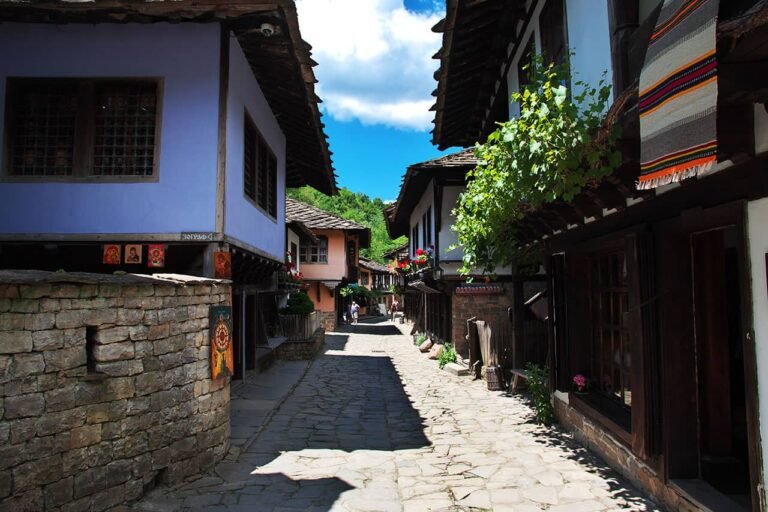
Bulgaria’s traditional crafts are still alive in small workshops, ethnographic complexes, and historic towns across the country. Some of the best authentic Bulgarian crafting places let you watch potters, woodcarvers, weavers, coppersmiths, and other artisans using techniques that have been passed down through generations.

Many of these places also preserve the architecture and everyday life of Bulgaria during the 18th and 19th centuries. Old houses, cobbled streets, water-powered workshops, traditional clothing, handmade pottery, and local food make them much more than ordinary museums.

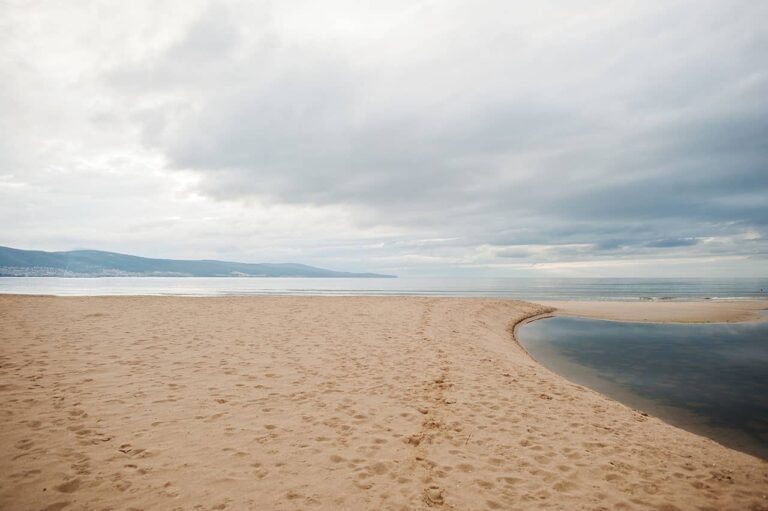
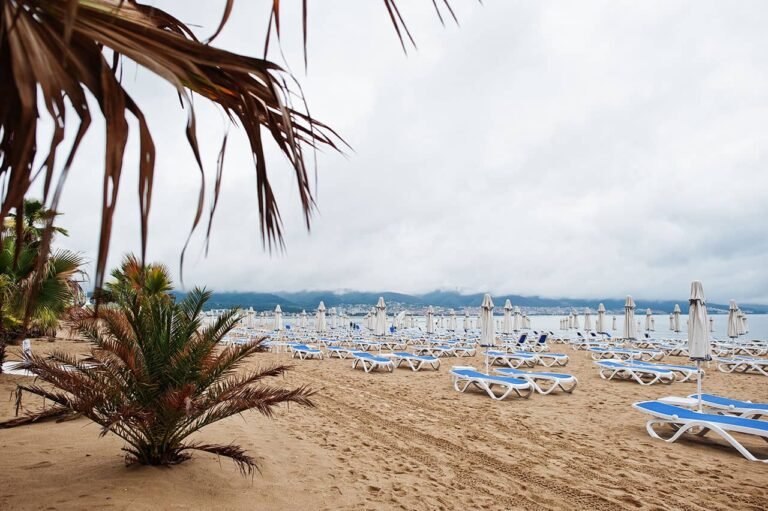
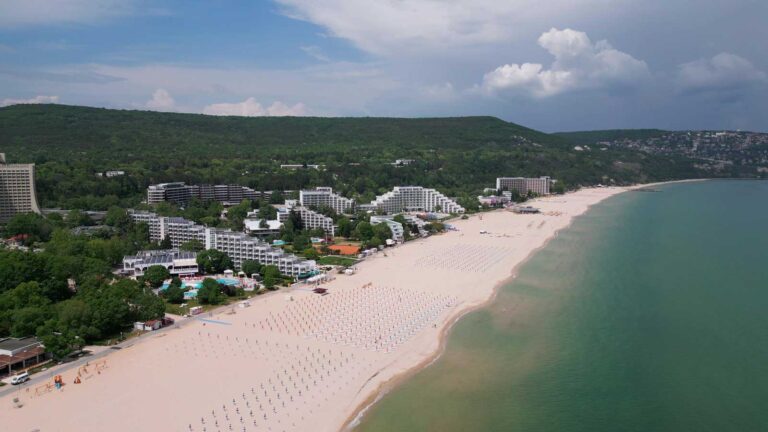
The Bulgarian Black Sea coast stretches along the entire eastern edge of Bulgaria, from the Romanian border in the north to Turkey in the south. Along the way, you’ll find long sandy beaches, quiet coves, historic seaside towns, modern resorts, protected wetlands, and some surprisingly wild stretches of coastline.

Varna and Burgas are the two largest cities on the coast and Bulgaria’s main Black Sea ports. Both also have international airports, making them convenient starting points for exploring the seaside.

The Bulgarian Riviera stretches along Bulgaria’s entire Black Sea coast, covering roughly 378 km from the Romanian border in the north to Turkey in the south. Along the way, the coastline changes dramatically, with long sandy beaches, rocky cliffs, historic seaside towns, modern resorts, and quieter stretches that still feel surprisingly wild.

The northern Bulgarian Black Sea coast is known for its dramatic headlands, limestone cliffs, and established resorts around Varna and Balchik. Farther south, the landscape gradually gives way to broad sandy beaches, dunes, coastal forests, and smaller seaside towns.

Bulgaria’s big cities may get most of the attention, but some of the country’s most memorable places are much smaller. Historic mountain towns and villages preserve cobblestone streets, traditional houses, old churches, local crafts, and a way of life that feels far removed from the busier resorts and cities.

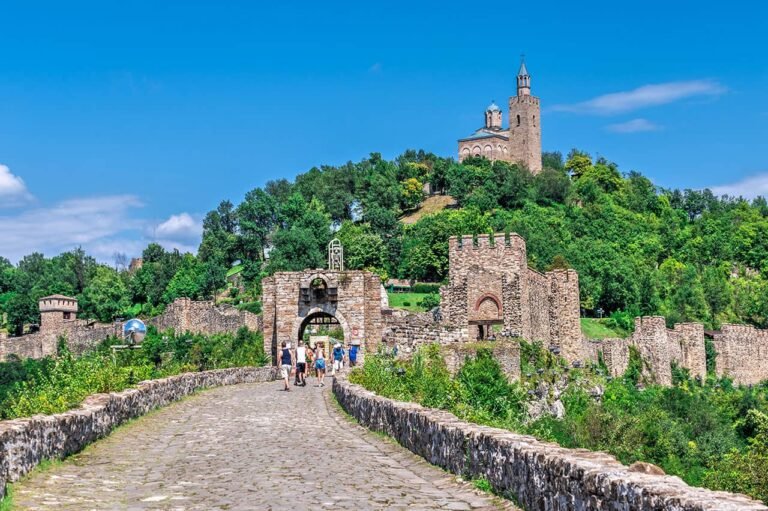
The small towns in Bulgaria are especially rewarding for travelers interested in history, architecture, nature, and Bulgarian traditions. Some played an important role during the Bulgarian National Revival, while others are known for their mountain setting, folklore, traditional crafts, or distinctive local character.

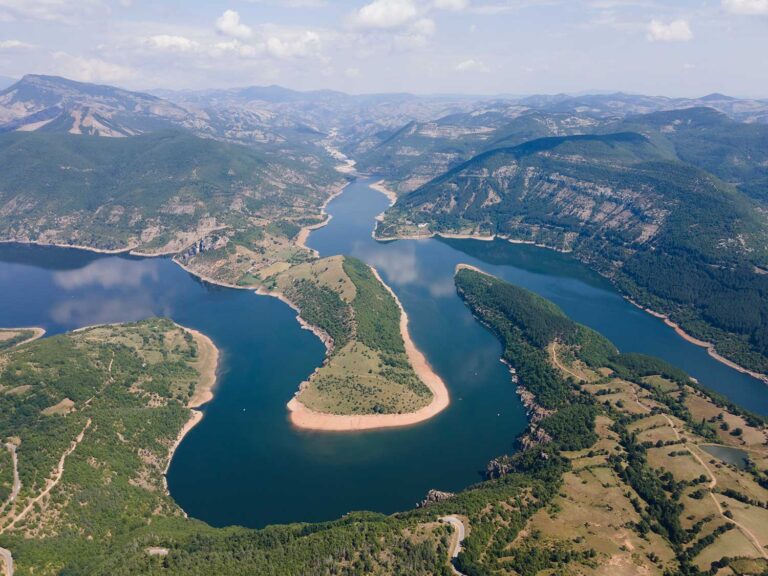
Some places are difficult to describe with words alone. Bulgaria is one of them. From wild Black Sea beaches and high mountain lakes to centuries-old monasteries, colorful Revival towns, waterfalls, rock formations, and endless fields of roses and lavender, the country can look completely different from one region to the next.

I started Stunning Bulgaria to share that side of the country with more people. Through this website and @stunningbulgaria on Instagram, I want to show travelers how much there is to discover beyond the places they may already know.

Bulgaria may be a relatively small country, but thousands of years of history have left it with an extraordinary collection of ancient tombs, medieval churches, monasteries, archaeological sites, and protected landscapes.

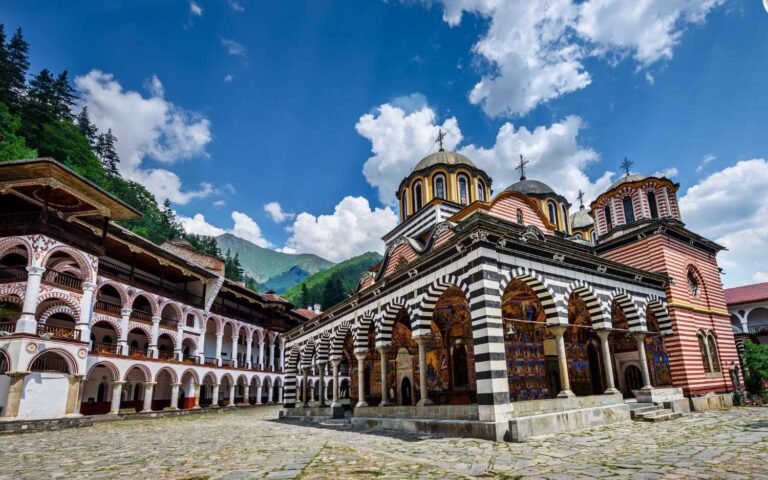
Some of the country’s most remarkable places have been recognized by UNESCO for their outstanding universal value. They range from the medieval frescoes of Boyana Church and the mysterious Madara Rider to the alpine landscapes of Pirin National Park.

If you visit Bulgaria, trying the local food should be part of the trip. Traditional Bulgarian dishes are built around simple ingredients that have been part of everyday cooking for generations: tomatoes, peppers, potatoes, beans, fresh herbs, yogurt, white brined cheese, and grilled or slow-cooked meats.

Some Bulgarian foods will look familiar if you have traveled elsewhere in the Balkans, but Bulgaria has developed its own versions, combinations, and traditions. A Shopska salad covered with grated sirene, a warm piece of banitsa for breakfast, or a bowl of cold tarator on a hot summer afternoon are as much a part of experiencing the country as visiting its monasteries, mountains, and historic towns.

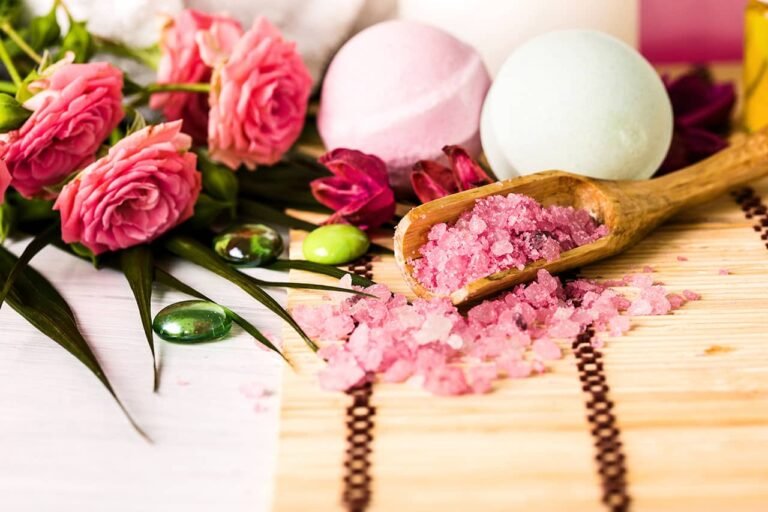
Bulgarian rose oil is best known as an ingredient in fine perfumes, but its distinctive floral aroma has found its way into far more than fragrance. Today, you can find products using Bulgarian rose oil in skincare, body care, lip balms, facial oils, aromatherapy blends, and other beauty products.

Authentic Bulgarian rose essential oil is traditionally produced from Rosa damascena, the famous Damask rose cultivated in Bulgaria’s Rose Valley. Producing the oil requires an enormous quantity of hand-picked rose blossoms, which helps explain why genuine Bulgarian rose oil is one of the more expensive essential oils.

Bulgaria has a long tradition of gathering and using wild herbs from its mountains, meadows, and valleys. From fragrant rose buds and lavender to nettle, chamomile, lemon balm, and the famous Mursal tea, herbs have been part of Bulgarian households for generations.

Bulgarian herbal tea is usually prepared as an infusion of dried flowers, leaves, roots, or fruits rather than leaves from the traditional tea plant. Many of these herbs grow naturally in Bulgaria’s diverse landscapes, while others are cultivated commercially for teas, essential oils, cosmetics, and herbal products.

Bulgaria has a rich historical and cultural heritage, and many of the essential Bulgarian souvenirs you will find around the country are closely connected to its folklore, crafts, food, and traditions.

Finding a unique souvenir is not always easy, especially when shops are filled with the usual magnets and postcards. Handcrafted Bulgarian souvenirs are a great way to bring a piece of the country home with you, whether you are buying something for yourself, for Bulgarian friends living abroad, or as a gift for someone discovering Bulgaria for the first time.