Author

sadmin

Browsing

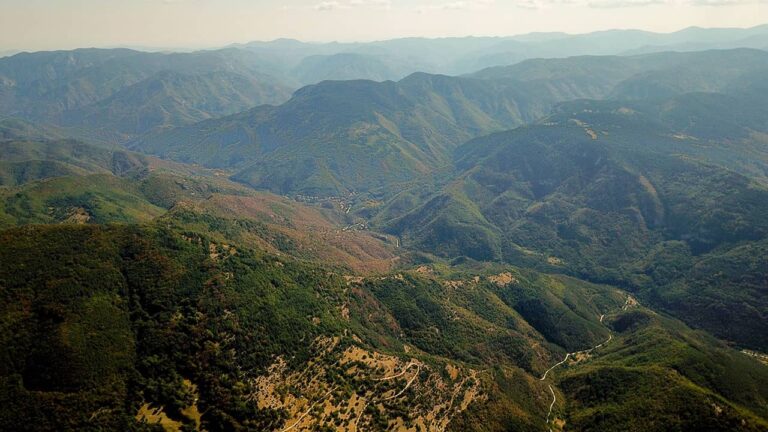
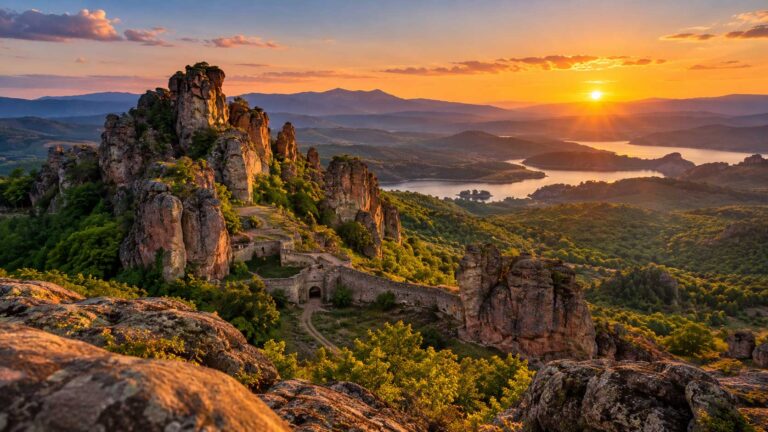
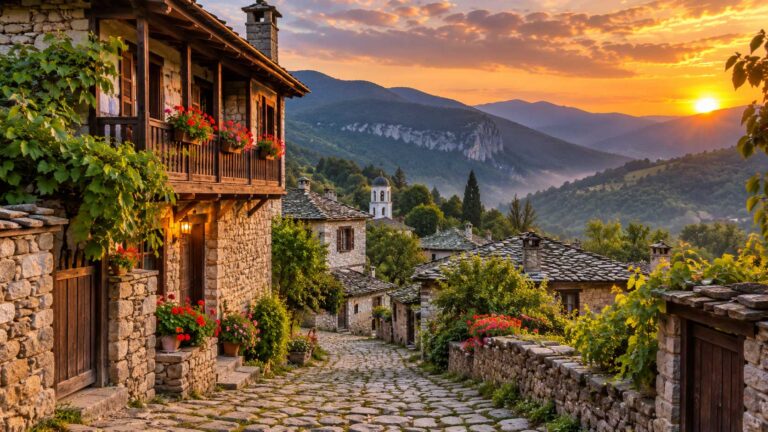
Bulgaria may be a relatively small country, but mountains cover a large part of its landscape. From the rugged alpine peaks of Rila and Pirin to the forested slopes of the Rhodopes and the long ridge of the Balkan Mountains, each range has its own character.

The mountains in Bulgaria offer far more than beautiful scenery. They are home to glacial lakes, waterfalls, centuries-old forests, monasteries, traditional villages, and an extensive network of hiking trails. Some areas work well for day trips, while others take you far from Bulgaria’s cities and busiest resorts.

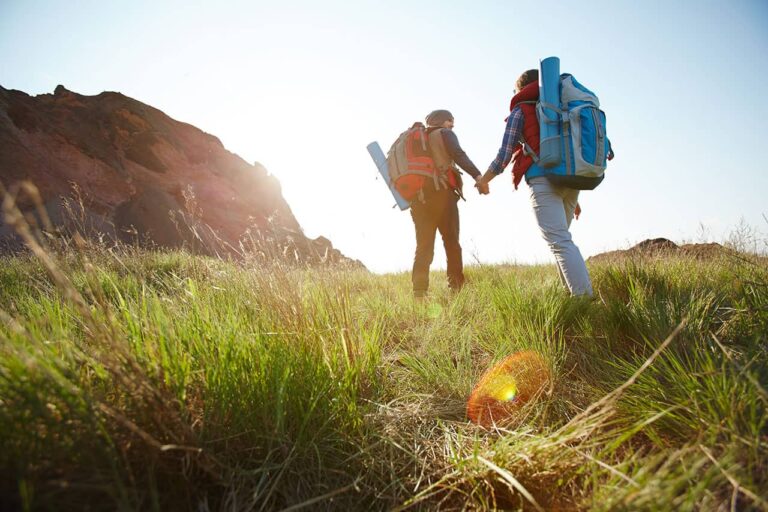
Bulgaria packs an impressive variety of hiking terrain into a relatively small country, from rugged alpine peaks and glacial lakes to deep forests, waterfalls, and rocky gorges. Trails range from relaxed day hikes to demanding routes high above the tree line.

Some of the best hiking in Bulgaria is found in the Rila and Pirin Mountains, where trails lead to alpine lakes and some of the highest peaks in the Balkans. The Rhodope Mountains offer a different experience, with forested paths, dramatic gorges, caves, and traditional mountain villages. Farther north, the Balkan Mountains stretch across the country and provide everything from short scenic walks to multi-day adventures.

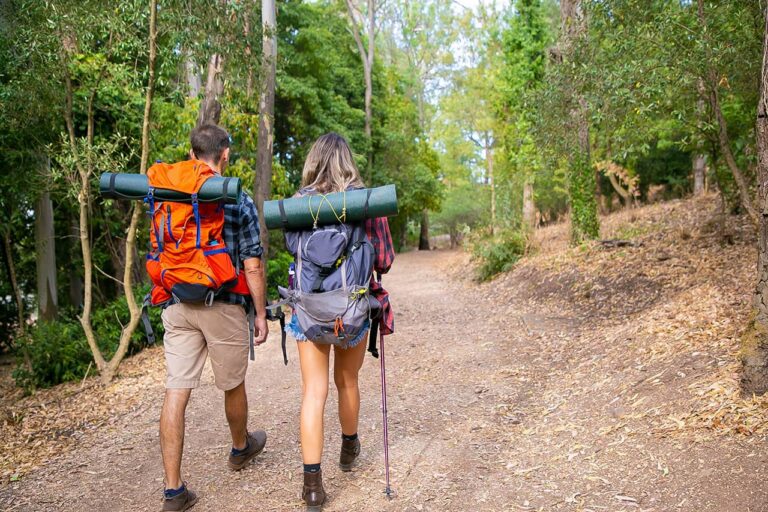
Bulgaria is an excellent country for backpackers who want to explore Europe without the high costs found in many of the continent’s better-known destinations. A single trip can take in historic cities, mountain trails, traditional villages, monasteries, and the Black Sea coast, while buses and trains connect most major stops.

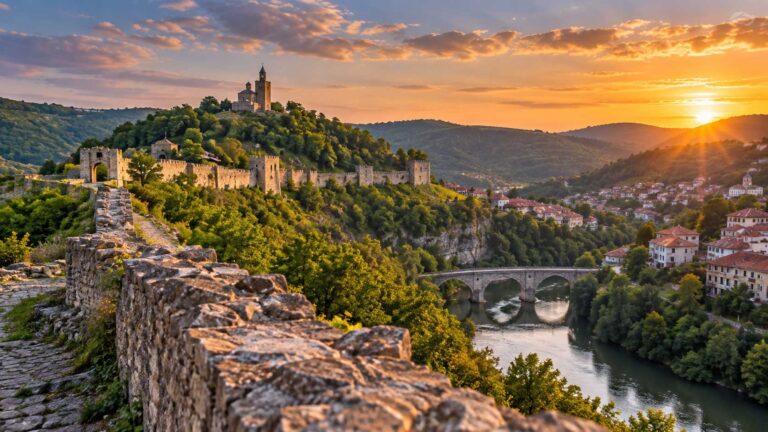
The best places for backpackers in Bulgaria range from lively Sofia and ancient Plovdiv to the trails of the Rila and Pirin Mountains, the old streets of Veliko Tarnovo, and quieter stretches of the southern Black Sea coast. Distances are relatively short, so even a week can include several very different parts of the country.

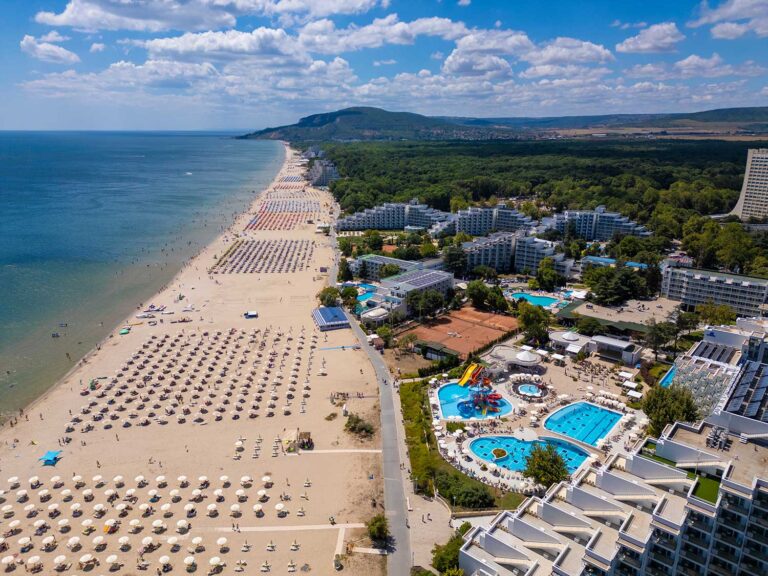
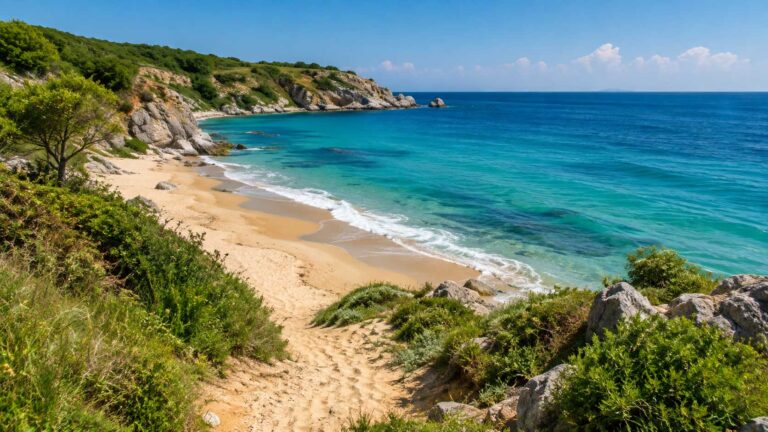
Bulgaria’s Black Sea coast is famous for places like Sunny Beach, Golden Sands, and Nessebar, but our guide to the best beaches in Bulgaria only scratches the surface of what you’ll find beyond the major resorts.

Travel beyond the rows of hotels and busy promenades and the coastline begins to change. Forests reach almost to the water, sandy paths wind through protected landscapes, and small bays hide between rocky headlands. In some places, there is little more than a beautiful stretch of sand, the Black Sea, and enough room to find your own quiet corner.

Rose oil has been treasured for centuries for its rich floral aroma and its many uses in skincare, aromatherapy, and personal care. Among the world’s best-known varieties is Bulgarian rose oil, traditionally produced from the fragrant petals of Rosa damascena grown in Bulgaria’s famous Rose Valley.

So, what are the benefits of rose oil, and how can you actually use it? Rose oil is commonly used to add fragrance to skincare products, create relaxing aromatherapy blends, enhance massage oils, and bring the unmistakable scent of fresh roses into everyday routines. Because pure rose essential oil is highly concentrated, however, knowing how to dilute and use it properly is important.

Bulgaria is home to some of the most spectacular waterfalls in Southeastern Europe, from towering mountain cascades and turquoise pools to peaceful waterfalls hidden deep in the forest. Across the Balkan, Rila, Pirin, and Rhodope Mountains, you’ll find waterfalls for almost every type of traveler.

Some are reached with a short, family-friendly walk, while others require challenging hikes through national parks and remote mountain landscapes. Spring brings powerful cascades fed by snowmelt and rainfall, while the warmer months are ideal for exploring Bulgaria’s many waterfall trails.

Some of the most fascinating facts about Rila Monastery reveal a story that stretches back more than 1,000 years. Surrounded by the forested peaks of the Rila Mountains, its striped arches, stone walls, colorful frescoes, and dramatic mountain setting make it one of Bulgaria’s most recognizable landmarks.

But behind its beautiful architecture lies a story stretching back more than 1,000 years.

Traveling to Bulgaria for the first time is fairly easy, but a few local customs and practical differences can catch visitors by surprise. Knowing some of the things NOT to do in Bulgaria can save you time, prevent awkward misunderstandings, and help you experience much more of the country.

Some mistakes are cultural, such as getting confused by Bulgaria’s famous head gestures. Others are practical, like relying entirely on public transportation when you want to explore remote monasteries, mountain villages, waterfalls, and historical sites.

Bulgaria may be a relatively small country, but it has an extensive network of rivers flowing from its mountains toward the Danube, Black Sea, and Aegean Sea. There are hundreds of rivers across Bulgaria, ranging from short mountain streams to major waterways that cross international borders.

The longest rivers in Bulgaria can be ranked in different ways. The Danube is by far the longest river associated with the country, forming much of Bulgaria’s northern border with Romania, while the Maritsa and Struma continue beyond Bulgaria into neighboring countries. The Iskar River, at 368 km, is the longest river that flows entirely within Bulgaria.

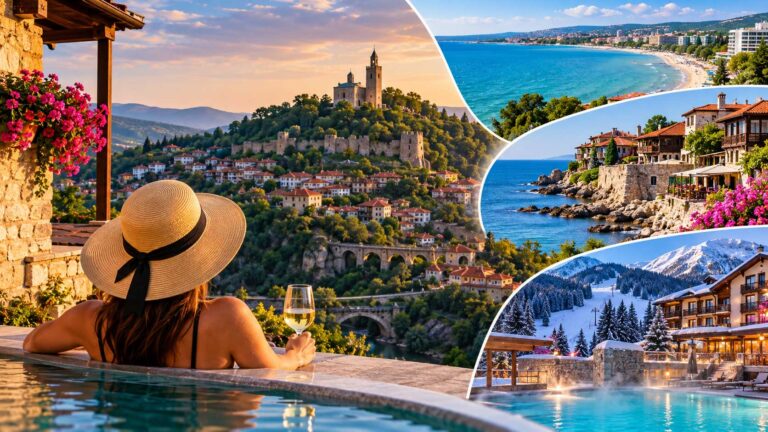
Bulgaria is one of those countries where you quickly realize one trip may not be enough. Ancient cities, mountain landscapes, monasteries, traditional villages, archaeological sites, sandy Black Sea beaches, and national parks are packed into a relatively small corner of Europe.

There are so many places to visit in Bulgaria that planning your time can be surprisingly difficult. A week is enough to see some of the highlights, but two weeks gives you much more freedom to explore beyond Sofia and experience different parts of the country.