Bulgaria may be a relatively small country, but it has an extensive network of rivers flowing from its mountains toward the Danube, Black Sea, and Aegean Sea. There are hundreds of rivers across Bulgaria, ranging from short mountain streams to major waterways that cross international borders.
The longest rivers in Bulgaria can be ranked in different ways. The Danube is by far the longest river associated with the country, forming much of Bulgaria’s northern border with Romania, while the Maritsa and Struma continue beyond Bulgaria into neighboring countries. The Iskar River, at 368 km, is the longest river that flows entirely within Bulgaria.
These rivers have shaped landscapes, settlements, agriculture, transportation, and everyday life for centuries. Some pass through dramatic gorges and mountain valleys, while others flow beside historic towns and some of Bulgaria’s most beautiful natural areas.
Below, we’ll look at 10 of the longest rivers in Bulgaria, where they begin and end, how much of their course lies within the country, and a few interesting places and facts connected with each one.
What Are the Longest Rivers in Bulgaria?
There is more than one way to answer this question because several of Bulgaria’s major rivers cross international borders. The Danube is the longest river connected with Bulgaria, although it does not originate in the country and instead forms much of Bulgaria’s northern border with Romania.
The Maritsa is another major international river, beginning in Bulgaria’s Rila Mountains before continuing through Greece and Turkey. The Iskar, meanwhile, holds a different record: at approximately 368 km, it is the longest river flowing entirely within Bulgaria.
A man is a long sentence, written with much love and inspiration, but full of spelling errors.
Jordan Radichkov
To make the differences easier to understand, the list below considers both the rivers’ total length and the portion of their course associated with Bulgaria. This is important when comparing rivers such as the Danube, Maritsa, Struma, and Arda with rivers whose entire course remains inside the country.
Also Read: 17 Authentic Bulgarian Crafting Places to Visit
10 of the Longest Rivers in Bulgaria at a Glance
Before exploring each river in more detail, here is a quick comparison of their approximate lengths and where they flow. Some of these rivers cross international borders, so the total river length is not always the same as the distance flowing through or along Bulgaria.
| River | Approx. Total Length | Course Connected with Bulgaria | Flows Into |
|---|---|---|---|
| Danube | 2,850 km | ~470 km along Bulgaria’s border | Black Sea |
| Maritsa | ~480 km | ~309 km | Aegean Sea |
| Struma | ~415 km | ~275.1 km | Aegean Sea |
| Iskar | 368 km | 368 km | Danube |
| Tundzha | ~390 km | ~349.5 km | Maritsa |
| Osam | ~314 km | 314 km | Danube |
| Arda | ~290 km | ~240 km | Maritsa |
| Yantra | ~285 km | 285 km | Danube |
| Kamchiya | ~244.5 km | ~244.5 km | Black Sea |
| Luda Kamchiya | ~180 km | ~180 km | Kamchiya |
Note: River lengths can vary slightly between sources depending on how the river’s source, tributaries, and international sections are measured. The Iskar is the longest river flowing entirely within Bulgaria, while the Danube is much longer overall but only forms part of Bulgaria’s northern boundary.
1. Danube River
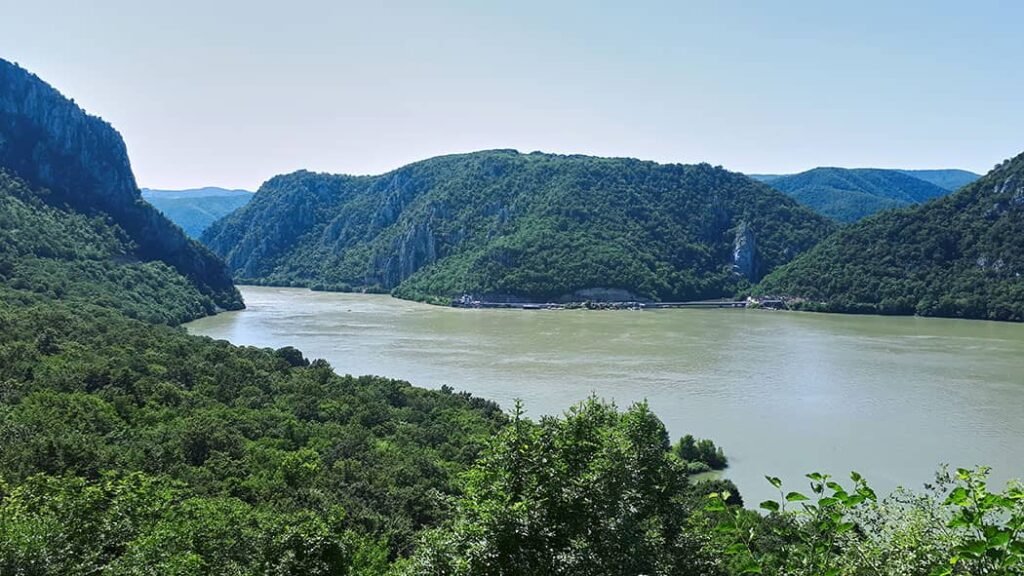
Although the Danube does not originate in Bulgaria, no list of the longest rivers in Bulgaria would be complete without it. At approximately 2,850 km, the Danube is the second-longest river in Europe after the Volga and flows through or along the borders of ten countries before reaching the Black Sea.
About 470 km of the river forms Bulgaria’s northern border with Romania, from the area near the Timok River in the west to Silistra in the northeast. Along this stretch are several important Bulgarian riverside cities, including Vidin, Lom, Kozloduy, Svishtov, Ruse, and Silistra.
The Danube has played an important role in Bulgaria’s trade, transportation, agriculture, and history. The Danube Bridge between Ruse and Giurgiu is also one of the country’s major road and rail connections with Romania.
Several important Bulgarian rivers eventually drain into the Danube, including the Iskar, Vit, Osam, Yantra, and Ogosta.
For travelers, the Bulgarian Danube is much more than a major waterway. Its banks are home to historic towns, wetlands, islands, archaeological sites, and wide river landscapes that feel very different from Bulgaria’s mountainous interior.
2. Maritsa River
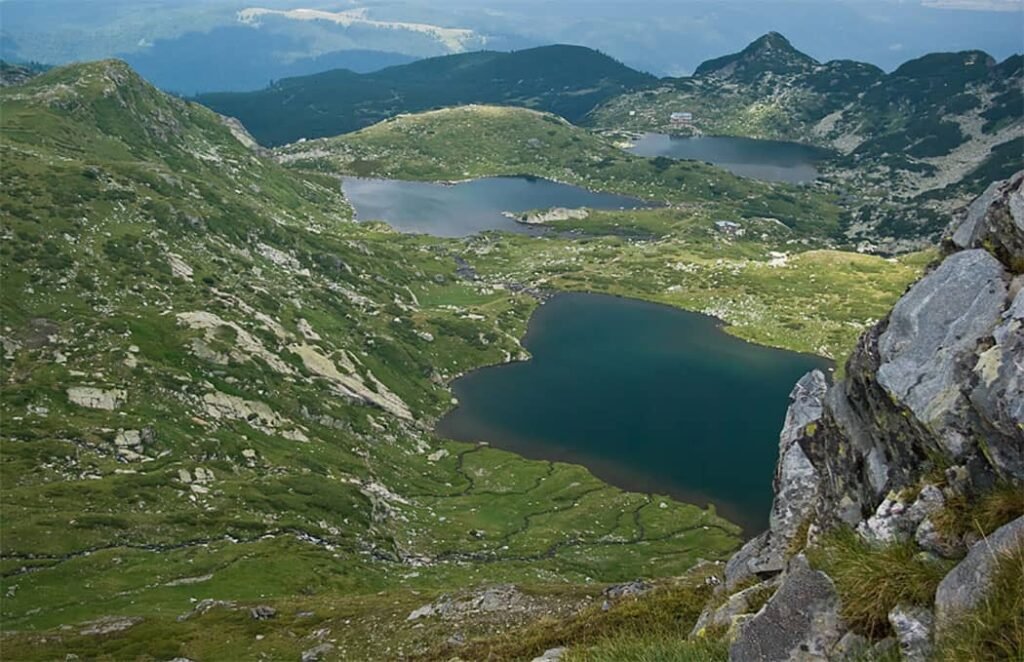
The Maritsa is a major river of southern Bulgaria, beginning high in the Rila Mountains near the Marichini Lakes. From there, it flows east across the Upper Thracian Plain before continuing beyond Bulgaria toward the Aegean Sea.
The river has a total length of approximately 480 km, with most of its upper and middle course flowing through Bulgaria. Along the way, it passes through or near important cities such as Pazardzhik, Plovdiv, Dimitrovgrad, and Svilengrad.
Maritsa and its tributaries drain a large part of southern Bulgaria, making the river especially important for agriculture and settlements across the fertile Thracian Plain. Its drainage basin extends beyond Bulgaria into neighboring Greece and Turkey.
After leaving Bulgaria, the river forms part of the Greece–Turkey border before reaching the Aegean Sea near the Turkish city of Enez.
The river has been known since antiquity and appears in ancient sources under the name Hebros, later becoming known as Evros in Greek and Meriç in Turkish. Today, its course connects landscapes ranging from the high Rila Mountains to some of Bulgaria’s richest agricultural areas.
3. Struma River

The Struma River begins in the Vitosha Mountains near Sofia and flows south through western Bulgaria before crossing into Greece and eventually reaching the Aegean Sea. Its total length is approximately 415 km, with approximately 275 km flowing through Bulgaria.
Much of the river’s Bulgarian course passes through a long valley between mountain ranges, creating an important natural corridor through the southwestern part of the country. The Struma flows past areas including Pernik, Blagoevgrad, Kresna, and Sandanski before reaching the Greek border at Kulata.
One of the most dramatic sections is the Kresna Gorge, where the Struma cuts between the Pirin and Maleshevska mountains. The narrow valley, rocky slopes, and fast-moving water make this one of the most recognizable landscapes along the river.
The Struma basin is also closely connected with southwestern Bulgaria’s vineyards, agriculture, towns, and transport routes. The warmer climate of the lower valley has helped establish the Struma Valley as a distinctive Bulgarian wine-growing region, particularly around Melnik and Sandanski.
Known as Strymon in ancient times and in modern Greece, the river has served as an important route between the interior of the Balkans and the Aegean for thousands of years.
4. Iskar River
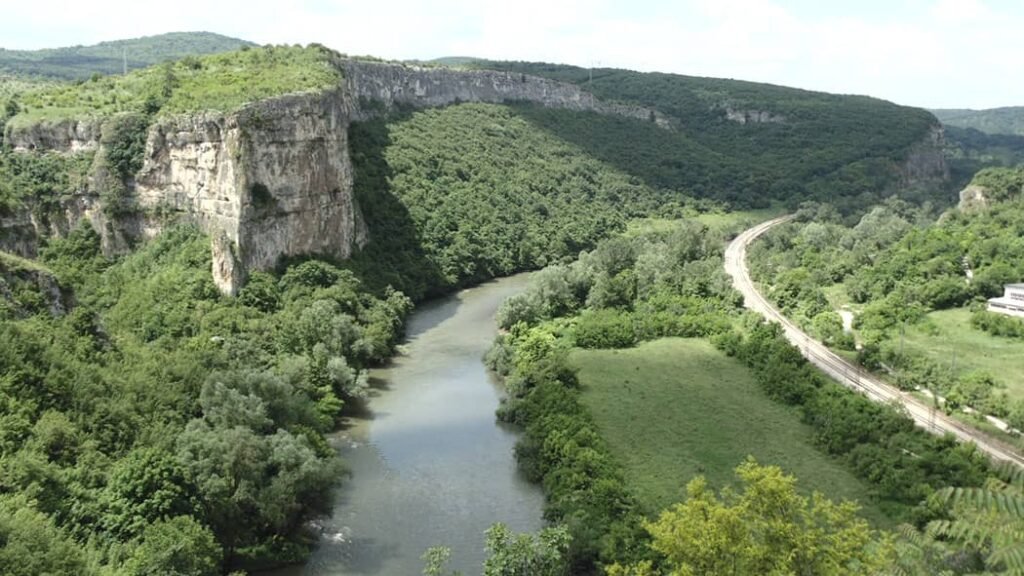
The Iskar River holds an important national record: at approximately 368 km, it is the longest river that flows entirely within Bulgaria. From its source in the Rila Mountains, it travels through western Bulgaria before joining the Danube near the village of Gigen.
The river begins from headwaters in the high Rila Mountains and flows toward the Iskar Reservoir, the largest reservoir in Bulgaria by volume. Located southeast of Sofia, the reservoir is an important part of the capital’s water supply and is also used for hydropower.
After passing through the Sofia Valley, the Iskar cuts directly across the Balkan Mountains, forming the long, steep-sided Iskar Gorge. This long, steep-sided valley is one of the most scenic sections of the river, with cliffs, forests, rock formations, villages, and railway lines squeezed between the mountains.
Along the gorge are Lakatnik Rocks, Cherepish Monastery, and the villages around Bov, all set between the river and the steep slopes of the Balkan Mountains. The railway follows the river through much of the gorge and has long provided an important connection between Sofia and northern Bulgaria.
Because its entire course remains within the country, the Iskar is often described simply as the longest river in Bulgaria. More precisely, it is Bulgaria’s longest entirely domestic river, distinguishing it from longer international rivers such as the Danube and Maritsa.
5. Tundzha River
The Tundzha is a major river of southeastern Bulgaria and the largest tributary of the Maritsa. It rises in the Central Balkan Mountains, north of Kalofer, before flowing east and then south across southeastern Bulgaria.
The river has a total length of approximately 390 km, with most of its course running through Bulgaria before it crosses into Turkey and joins the Maritsa at Edirne.
Along its Bulgarian course, the Tundzha passes through or near Kalofer, Kazanlak, Sliven, Yambol, and Elhovo. Its broad valley has supported settlements and agriculture for centuries and connects several historically and naturally important parts of the country.
Near Kalofer, the Tundzha descends from the Balkan Mountains through a narrower, more rugged landscape. Downstream, the valley gradually opens into the plains of southeastern Bulgaria.
Several reservoirs have been built within the Tundzha basin, including the large Zhrebchevo Reservoir. Near its shores stands the partially submerged Church of St. Ivan Rilski, one of Bulgaria’s more unusual photographic landmarks when water levels are high.
After leaving Bulgaria near the Turkish border, the Tundzha continues toward Edirne, where its waters eventually merge with the Maritsa.
6. Osam River
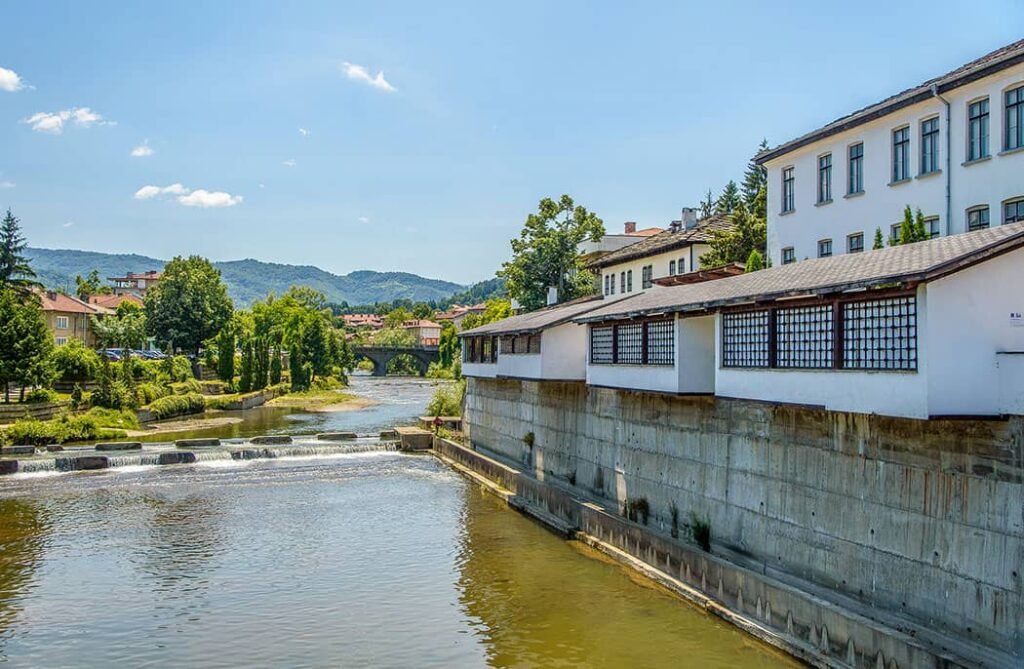
The Osam River flows for approximately 314 km entirely within northern Bulgaria before joining the Danube near the village of Cherkovitsa, making it one of the country’s longest domestic rivers.
The Osam is formed by two main mountain branches, the Black Osam (Cherni Osam) and White Osam (Beli Osam), which meet at Troyan. From there, the combined Osam continues north through Lovech Province and across the Danubian Plain.
The river is especially closely connected with Lovech, where it winds directly through the historic center. One of the city’s best-known landmarks, the Covered Bridge, crosses the Osam and links the newer part of Lovech with the old Varosha Quarter. The present bridge follows a tradition associated with Bulgarian master builder Kolyu Ficheto.
Farther upstream, the river valley connects Troyan, Oreshak, and Troyan Monastery with the forested northern slopes of the Balkan Mountains.
Unlike the Danube, Maritsa, Struma, and Tundzha, the Osam never leaves Bulgaria. From its mountain headwaters to its meeting with the Danube, its entire course lies within the country’s borders.
7. Arda River

The Arda River winds through the Rhodope Mountains, crossing some of southern Bulgaria’s most rugged terrain before continuing into Greece and eventually joining the Maritsa. It stretches for roughly 290 km in total, with most of its course flowing through Bulgaria.
The river begins in the western Rhodopes near the village of Arda, not far from the Greek border, and flows east through a landscape of forested mountains, steep slopes, rocky cliffs, and deep valleys.
Three major dams — Kardzhali, Studen Kladenets, and Ivaylovgrad — have transformed sections of the river into long reservoirs used for hydropower and water management. Today, the reservoirs are a defining feature of the Eastern Rhodope landscape.
Near Madzharovo, broad bends in the Arda create some of the Eastern Rhodopes’ characteristic river views. Around Kardzhali Reservoir, the river widens between steep Rhodope slopes, creating several excellent viewpoints from the surrounding roads and hills.
The Arda valley is also rich in history. The famous medieval Devil’s Bridge (Dyavolski Most) crosses the river near Ardino, while ancient Thracian sites, small mountain villages, and wildlife areas are scattered throughout the wider region.
For travelers, the Arda offers a striking combination of mountain scenery, reservoirs, historic bridges, and sweeping river bends that gives this part of the Rhodopes its distinctive character.
8. Yantra River
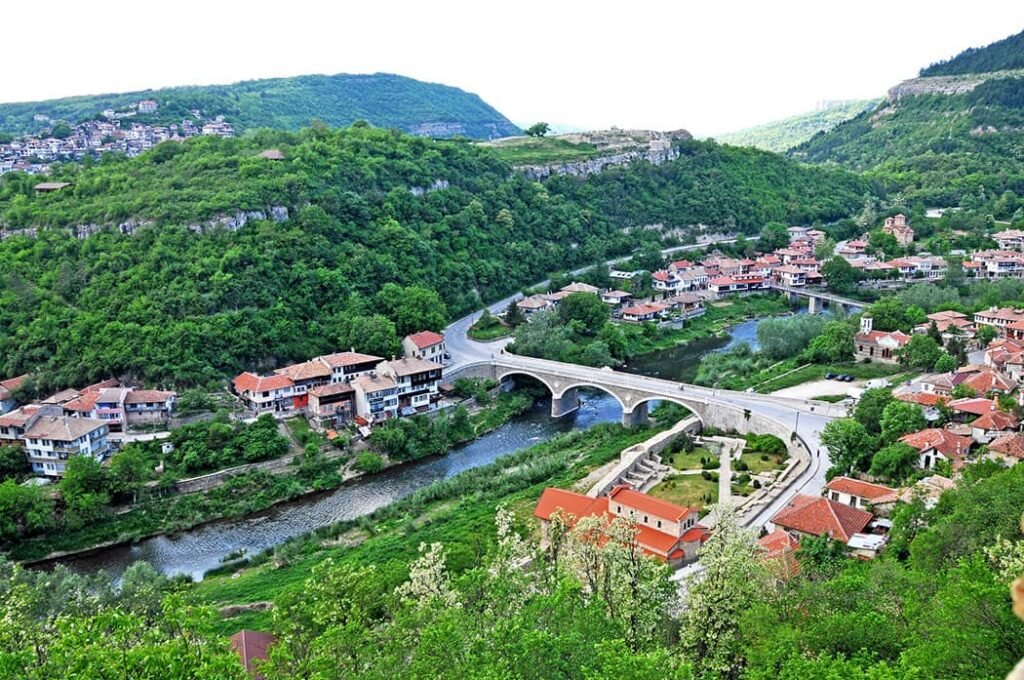
The Yantra River is approximately 285 km long and one of the major tributaries of the Danube in northern Bulgaria. It begins in the Central Balkan Mountains, near the northern slopes of Hadzhi Dimitar Peak, before winding north across the country.
The river passes through several important towns and cities, including Gabrovo, Veliko Tarnovo, Polski Trambesh, and Byala, before eventually flowing into the Danube near the village of Krivina.
The Yantra is most recognizable at Veliko Tarnovo, where it loops beneath the city’s steep historic hills. Tsarevets and Trapezitsa rise above its bends, while old neighborhoods cling to the slopes overlooking the water. The river is so closely tied to the setting that it is difficult to imagine Bulgaria’s medieval capital without it.
Farther downstream near Byala, the Yantra is crossed by the historic Byala Bridge, designed by legendary Bulgarian master builder Kolyu Ficheto and completed in the 19th century.
The Yantra basin also includes a mixture of mountain valleys, fertile plains, villages, and historic settlements. Few Bulgarian rivers are as closely connected with the country’s architectural and cultural heritage, particularly around Gabrovo and Veliko Tarnovo.
For visitors exploring central and northern Bulgaria, the Yantra is often part of the scenery without being the main destination — yet some of the country’s most recognizable historic views would look completely different without it.
9. Kamchiya River
The Kamchiya River flows for approximately 245 km through eastern Bulgaria before emptying into the Black Sea. It is formed by the meeting of the Luda Kamchiya and Golyama Kamchiya rivers and drains a large area of the eastern Balkan Mountains.
The lower Kamchiya is the part most visitors are likely to remember. Here, the river moves slowly through dense riverside forests before reaching a wide sandy beach on the Bulgarian coast.
This landscape is protected within the Kamchiya Biosphere Reserve, an area known for its distinctive floodplain forests, wetlands, and rich wildlife. The dense woodland along the river creates an almost subtropical appearance that feels very different from much of Bulgaria’s Black Sea coastline.
Near the river mouth, visitors can see the point where the dark, calm waters of the Kamchiya meet the Black Sea, with a long stretch of sand separating the forest from the coast. Small boat trips along the lower river are also a popular way to experience the surrounding vegetation and wildlife.
The Kamchiya is particularly significant because it is among the longest rivers flowing entirely within Bulgaria and one of the country’s major rivers draining directly into the Black Sea.
Its combination of river, floodplain forest, wetlands, dunes, and beach creates a landscape rarely found elsewhere along Bulgaria’s coast.
10. Luda Kamchiya River
The Luda Kamchiya River is approximately 180 km long and flows through eastern Bulgaria before joining the Golyama Kamchiya to form the Kamchiya River. Its drainage basin covers roughly 1,600 km².
The river rises in the eastern Balkan Mountains and follows a winding course through a rugged landscape of forested slopes, narrow valleys, and small settlements.
One of its most interesting sections is the Luda Kamchiya Gorge, where the river cuts through the eastern Balkan Mountains. The gorge has long served as an important natural passage between northern and southern Bulgaria.
A railway line follows much of the river valley through this mountainous terrain. The route between Shumen and Karnobat passes through numerous tunnels and offers glimpses of the river, steep hillsides, and isolated villages along the way.
Near Dalgopol, the Luda Kamchiya joins the Golyama Kamchiya. From their confluence, the river continues under the name Kamchiya, eventually reaching the Black Sea south of Varna.
Although less famous than the Iskar, Maritsa, or Yantra, the Luda Kamchiya plays an important role in eastern Bulgaria’s river system.
What Is the Longest River in Bulgaria?
The answer depends on what you mean by the longest river in Bulgaria.
The Danube is by far the longest river associated with the country, stretching approximately 2,850 km across Europe. However, it does not originate in Bulgaria and only forms part of the country’s northern border with Romania.
The Maritsa is also longer overall than any river contained entirely within Bulgaria. It begins in the Rila Mountains but eventually leaves the country and continues toward the Aegean Sea.
If we count only rivers whose entire course lies within Bulgaria, the record belongs to the Iskar River. At approximately 368 km, it begins in the Rila Mountains, crosses western and northern Bulgaria, and eventually flows into the Danube.
So, in simple terms:
- Longest river connected with Bulgaria: Danube — approximately 2,850 km total
- Longest river beginning in Bulgaria: Maritsa — approximately 480 km total
- Longest river entirely within Bulgaria: Iskar — approximately 368 km
This distinction is why different sources can appear to give different answers when discussing Bulgaria’s longest river.
Where Do Bulgaria’s Rivers Flow?
Bulgaria’s rivers ultimately drain into two major bodies of water: the Black Sea and the Aegean Sea. The country’s mountain ranges play an important role in determining which direction the water flows.
Rivers Flowing Toward the Black Sea
Much of northern Bulgaria belongs to the Danube drainage basin. Rivers such as the Iskar, Osam, Yantra, Vit, and Ogosta flow north into the Danube, which eventually empties into the Black Sea.
Several rivers in eastern Bulgaria reach the Black Sea directly rather than joining the Danube. The Kamchiya is the most significant example among the rivers included in this list.
Rivers Flowing Toward the Aegean Sea
Southern and southwestern Bulgaria contain river systems that drain toward the Aegean Sea.
The Maritsa is the largest of these. Major tributaries including the Tundzha and Arda eventually join it, while the Struma follows a separate route south through Greece before reaching the Aegean.
This divide helps explain why Bulgaria’s rivers flow in such different directions despite the country’s relatively compact size. The Balkan Mountains, Rila, Pirin, Rhodopes, and other ranges shape watersheds that send rivers toward opposite sides of the Balkan Peninsula.
Most Beautiful Rivers in Bulgaria to Explore
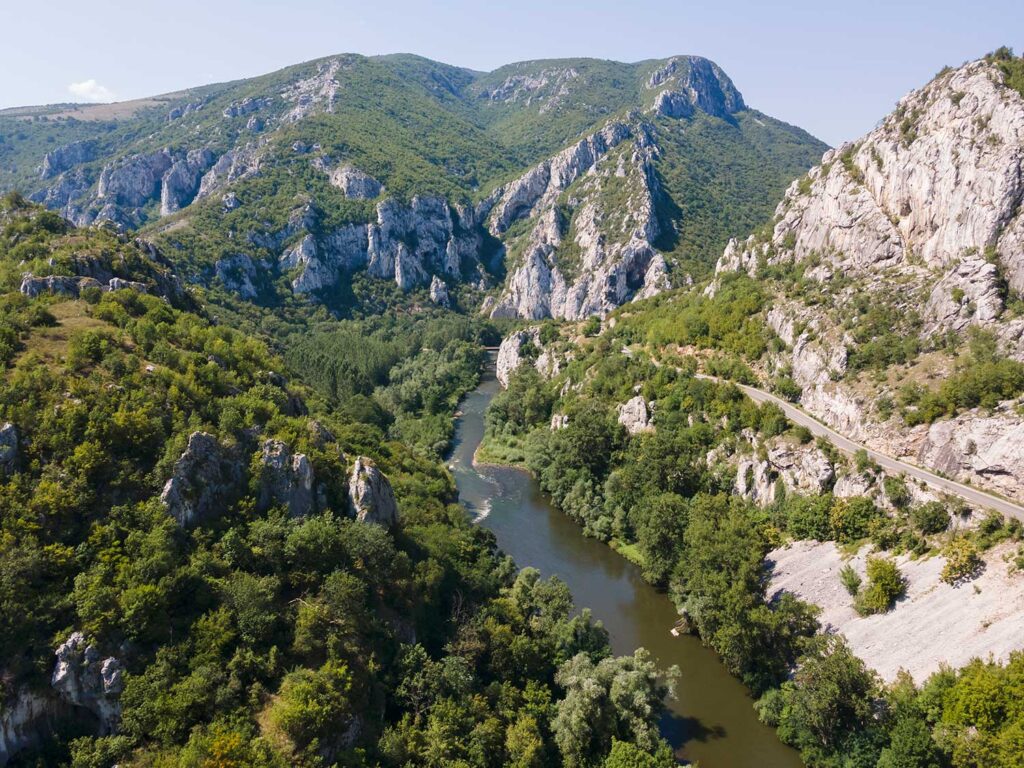
Length is only one reason Bulgaria’s rivers are interesting. Some have carved deep gorges, others wind beneath historic towns, and a few reach the sea through wetlands and dense riverside forests.
Iskar Gorge
The Iskar River cuts directly through the Balkan Mountains north of Sofia, creating a spectacular river valley through the mountains. The area around Lakatnik Rocks is especially dramatic, with towering limestone cliffs rising above the river and railway.
Arda River Meanders
Through the Eastern Rhodopes, the Arda twists between rounded hills and rocky slopes. Its bends around Madzharovo and the reservoirs near Kardzhali are best seen from the higher ground surrounding the river.
Yantra River in Veliko Tarnovo
Few Bulgarian cities are as closely tied to a river as Veliko Tarnovo. The Yantra curves around the steep hills beneath the old capital, creating classic views of Tsarevets, Trapezitsa, and the historic neighborhoods built high above the water.
Kamchiya River Mouth
Near Bulgaria’s Black Sea coast, the Kamchiya River passes through dense floodplain forest before reaching a long sandy beach. The combination of river, forest, dunes, and sea makes this one of the most distinctive river landscapes in the country.
Struma and the Kresna Gorge
In southwestern Bulgaria, the Struma River runs through the narrow Kresna Gorge, surrounded by steep mountain slopes. The river valley forms a dramatic natural corridor on the route toward Sandanski, Melnik, and the Greek border.
Together, these places reveal how deeply Bulgaria’s rivers have shaped the surrounding landscape.
Interesting Facts About Rivers in Bulgaria
Beyond their length and geography, Bulgaria’s rivers are connected with some fascinating pieces of history, engineering, nature, and even archaeology.
- The Danube has been a frontier for nearly 2,000 years. During the Roman period, much of the lower Danube formed part of the empire’s northern frontier. Roman settlements and fortifications developed along what is now Bulgaria’s riverbank, including around Vidin, Svishtov, and Silistra.
- The Iskar is the only Bulgarian river to cut completely across the Balkan Mountains. Instead of flowing away from the range, it passes directly through it, carving the long Iskar Gorge on its journey north toward the Danube.
- Ancient civilizations grew along the Maritsa Valley. The broad river corridor has been inhabited since prehistoric times and later became important to Thracians, Romans, Byzantines, and Ottomans. Plovdiv, one of Europe’s oldest continuously inhabited cities, developed beside the Maritsa.
- The Arda is crossed by one of Bulgaria’s most famous historic bridges. Devil’s Bridge near Ardino was built over the river in the early 16th century. Its stone arches still span a narrow section of the Arda surrounded by the Rhodope Mountains.
- The lower Danube contains numerous islands. Some Bulgarian islands and surrounding wetlands provide valuable habitat for waterbirds and other wildlife. Persina Nature Park near Belene protects one of the most important wetland areas along Bulgaria’s Danube.
- A church emerges from Zhrebchevo Reservoir when water levels fall. The abandoned Church of St. Ivan Rilski belonged to the former village of Zapalnya. Depending on the reservoir level, visitors may see anything from the upper part of the church to most of the structure standing above the water.
- The Struma Valley is an important migration corridor. Its north-south orientation and comparatively warm climate create a natural route between the interior of the Balkans and the Aegean region, used by wildlife as well as people throughout history.
- Some Bulgarian rivers change character dramatically within a relatively short distance. Mountain headwaters can pass through gorges and broad agricultural valleys before reaching lowlands, wetlands, or the sea — one reason Bulgaria has such varied river landscapes despite its compact size.
Bulgaria’s rivers are therefore more than lines on a map. They have acted as borders, travel corridors, sources of water and energy, wildlife habitats, and places around which towns and civilizations developed.
Frequently Asked Questions About Rivers in Bulgaria
What is the longest river entirely in Bulgaria?
The Iskar River is the longest river flowing entirely within Bulgaria. It is approximately 368 km long, beginning in the Rila Mountains and eventually flowing into the Danube.
What is the longest river associated with Bulgaria?
The Danube, at approximately 2,850 km in total length, is the longest river connected with Bulgaria. Around 470 km of the Danube forms part of the border between Bulgaria and Romania.
What are the major rivers in Bulgaria?
Some of the major rivers in Bulgaria include the Danube, Maritsa, Iskar, Struma, Tundzha, Osam, Arda, Yantra, Kamchiya, and Luda Kamchiya. Other important rivers include the Vit, Ogosta, Mesta, and Rusenski Lom.
Which Bulgarian rivers flow into the Danube?
Major Bulgarian tributaries of the Danube include the Iskar, Vit, Osam, Yantra, and Ogosta. These rivers drain much of northern Bulgaria.
Which rivers in Bulgaria flow into the Black Sea?
Most rivers in northern Bulgaria reach the Black Sea indirectly through the Danube. Several eastern rivers flow directly into the sea, including the Kamchiya, Provadiyska, Ropotamo, Veleka, and Rezovska.
Which Bulgarian rivers flow toward the Aegean Sea?
The Maritsa and Struma river systems drain large areas of southern and southwestern Bulgaria toward the Aegean Sea. The Arda and Tundzha are major tributaries of the Maritsa, while the Mesta follows a separate route through Greece.
Which river flows through Veliko Tarnovo?
The Yantra River winds through Veliko Tarnovo beneath the city’s steep historic hills. Its bends are an important part of the landscape surrounding Tsarevets and Trapezitsa.
Which river flows through the Iskar Gorge?
The Iskar River created the Iskar Gorge as it cut through the Balkan Mountains north of Sofia. The gorge is known for its limestone cliffs, railway route, villages, and landmarks such as Lakatnik Rocks.
Explore the Rivers of Bulgaria
The longest rivers in Bulgaria tell part of the story of the country’s remarkably varied landscape. From the Danube along the Romanian border to the mountain waters of the Iskar, Struma, and Arda, these rivers connect some of Bulgaria’s most interesting natural and historic regions.
In several places, the river itself defines the landscape. The Iskar Gorge, Arda River meanders, Yantra beneath Veliko Tarnovo, and the forested mouth of the Kamchiya River are among the clearest examples.
Others are easy to overlook while traveling, even though they have shaped Bulgarian towns, farmland, transportation routes, and everyday life for centuries.
Have you visited any of these rivers or discovered a beautiful river spot elsewhere in Bulgaria? Share your experience and tag @stunningbulgaria on Instagram with #stunningbulgaria.
While exploring Bulgaria, you may also enjoy: