Bulgaria is home to some of the most spectacular waterfalls in Southeastern Europe, offering everything from towering mountain cascades and emerald pools to hidden forest gems waiting to be discovered. From the dramatic cliffs of the Balkan Mountains to the lush valleys of the Rhodope, Rila, and Pirin Mountains, the country boasts an incredible variety of waterfalls that attract hikers, photographers, and nature lovers throughout the year.
Whether you’re planning a scenic road trip, searching for an easy family-friendly walk, or looking to conquer challenging mountain trails, Bulgaria has a waterfall for every type of traveler. Some are just a few minutes from the nearest parking area, while others reward adventurous hikers with breathtaking views deep within pristine national parks and protected nature reserves.
In this complete guide, you’ll discover the 25 best waterfalls in Bulgaria, including famous landmarks such as Raysko Praskalo, Krushuna Waterfalls, Hotnitsa Waterfall, and Boyana Waterfall, along with lesser-known hidden gems that deserve a place on your travel itinerary. You’ll also find practical travel tips, the best times to visit, hiking information, regional guides, and answers to the most common questions to help you plan an unforgettable adventure.
If you’re looking to experience Bulgaria’s natural beauty beyond its historic cities and cultural landmarks, these stunning waterfalls are among the country’s most rewarding destinations.
Why Bulgaria Is One of Europe’s Best Destinations for Waterfalls
Bulgaria offers an extraordinary variety of waterfalls that rival many of Europe’s most famous natural attractions. Thanks to its rugged mountains, protected national parks, and abundant rivers, the country is home to countless cascades ranging from gentle forest waterfalls to towering plunges that rank among the highest in the Balkans. Whether you’re an avid hiker, a nature photographer, or simply looking for beautiful places to visit, Bulgaria’s waterfalls provide unforgettable experiences in every season. Their scenic beauty, accessibility, and diversity make the country one of the best destinations in Europe for waterfall adventures.
Diverse Mountain Landscapes
Bulgaria’s four major mountain ranges—the Balkan Mountains, Rila, Pirin, and Rhodope Mountains—create the perfect conditions for hundreds of beautiful waterfalls. Snowmelt, natural springs, and mountain rivers feed cascades of every size, from gentle forest streams to dramatic cliffs.
Waterfalls for Every Type of Traveler
Whether you’re looking for an easy family walk, a scenic picnic spot, or a challenging mountain hike, Bulgaria has a waterfall to match your adventure. Some are just minutes from a parking area, while others reward hikers with spectacular views deep inside protected nature reserves.
Incredible Scenic Beauty
Many waterfalls are surrounded by lush forests, limestone gorges, crystal-clear rivers, and panoramic mountain landscapes. Every season offers a different experience, from powerful spring cascades to colorful autumn scenery and frozen waterfalls in winter.
Rich Wildlife and Protected Nature
Many of Bulgaria’s most beautiful waterfalls are located inside national parks and protected areas. Visitors can enjoy diverse wildlife, rare plants, and some of the country’s most pristine natural landscapes while exploring the trails.
Perfect for Hiking and Photography
Waterfalls are among Bulgaria’s top destinations for outdoor enthusiasts. Well-marked hiking trails, scenic viewpoints, wooden bridges, and observation platforms provide excellent opportunities for photography and unforgettable adventures.
Interactive Map of the Best Waterfalls in Bulgaria
Planning your journey is easier when you know where each waterfall is located. The interactive map below highlights all 25 of Bulgaria’s most beautiful waterfalls, making it simple to plan day trips, scenic road trips, or multi-day hiking adventures across the country.
The waterfalls featured in this guide are spread throughout Bulgaria’s most spectacular regions, including the Balkan Mountains (Stara Planina), Rila Mountains, Pirin Mountains, and Rhodope Mountains. Some, such as Boyana Waterfall, are located just outside Sofia, while others, including Krushuna Waterfalls and Hotnitsa Waterfall, are easily accessible by car and short walking trails. More adventurous travelers can venture deep into Central Balkan National Park to visit Raysko Praskalo, the tallest permanent waterfall in the Balkans.
Use the map to compare locations, estimate driving distances, discover nearby attractions, and build the perfect itinerary based on the region you plan to explore. Whether you’re visiting Bulgaria for a weekend or embarking on a cross-country road trip, this interactive map will help you experience some of the country’s most breathtaking natural wonders.
💡 Tip: Save the map to your phone before your trip so you can easily navigate between waterfalls, hiking trails, viewpoints, and nearby towns, even in areas with limited mobile coverage.
The 25 Best Waterfalls in Bulgari
From towering mountain cascades and crystal-clear forest streams to hidden waterfalls tucked away in remote valleys, Bulgaria offers an incredible variety of natural wonders to explore. The 25 waterfalls below have been selected for their beauty, accessibility, scenic surroundings, and unique character. Whether you’re planning a short day trip, a family outing, or a challenging hiking adventure, these destinations showcase some of the very best waterfalls in Bulgaria and deserve a place on every travel itinerary.
1. Raysko Praskalo
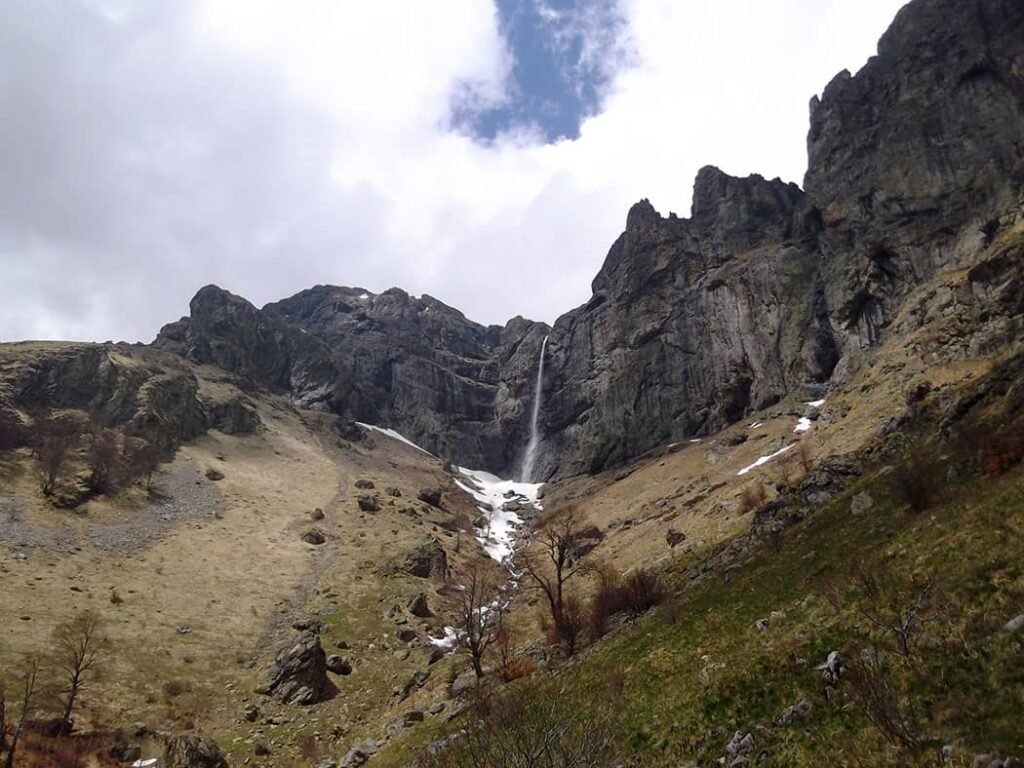
Raysko Praskalo is widely regarded as Bulgaria’s most spectacular waterfall and is the highest permanent waterfall in both Bulgaria and the Balkan Peninsula. With a breathtaking drop of 124.5 meters (408 feet), it cascades down a steep rock face beneath Botev Peak, the highest summit in the Balkan Mountains. Located within the pristine landscapes of Central Balkan National Park, the waterfall is one of the country’s most iconic natural landmarks and a dream destination for hikers, photographers, and outdoor enthusiasts.
Quick Facts
| Feature | Details |
| Height | 124.5 m (408 ft) |
| Location | Central Balkan National Park |
| Nearest Town | Kalofer |
| Mountain Range | Balkan Mountains (Stara Planina) |
| Hiking Difficulty | Moderate to Challenging |
| Best Time to Visit | May–July |
| Suitable for Families | Only experienced hikers |
Why Visit Raysko Praskalo?
Raysko Praskalo offers one of the most dramatic natural landscapes in Bulgaria. During late spring and early summer, melting snow from Botev Peak creates a powerful cascade that can be seen from great distances. The surrounding alpine scenery, rugged cliffs, and untouched forests make it one of the country’s most rewarding hiking destinations.
The waterfall is also a highlight of the famous hiking trail leading to Rai Hut (Rai Hut), one of Bulgaria’s best-known mountain refuges. Many hikers combine a visit to the waterfall with an ascent of Botev Peak for unforgettable panoramic views over Central Balkan National Park.
Location
Raysko Praskalo is located near the town of Kalofer in Central Bulgaria, within Central Balkan National Park. Most visitors begin the hike from the Paniitsite area near Kalofer, following a well-marked mountain trail toward Rai Hut.
Hiking Information
Reaching the waterfall requires a scenic mountain hike that typically takes between 3 and 4 hours one way, depending on fitness level and trail conditions. Although the route is well maintained, it involves a steady climb through forests and alpine terrain, making sturdy hiking boots, sufficient water, and proper preparation essential.
Best Time to Visit
The best time to visit Raysko Praskalo is between May and July, when snowmelt produces the waterfall’s strongest flow. Autumn also offers beautiful scenery with colorful forests, while winter hiking is recommended only for experienced mountaineers due to snow and icy conditions.
Photography Tips
For the most impressive photographs, visit early in the morning when the surrounding cliffs are beautifully illuminated and the trails are less crowded. A wide-angle lens works well for capturing the entire waterfall and the dramatic mountain scenery, while a tripod allows for stunning long-exposure images of the cascading water.
2. Krushuna Waterfalls
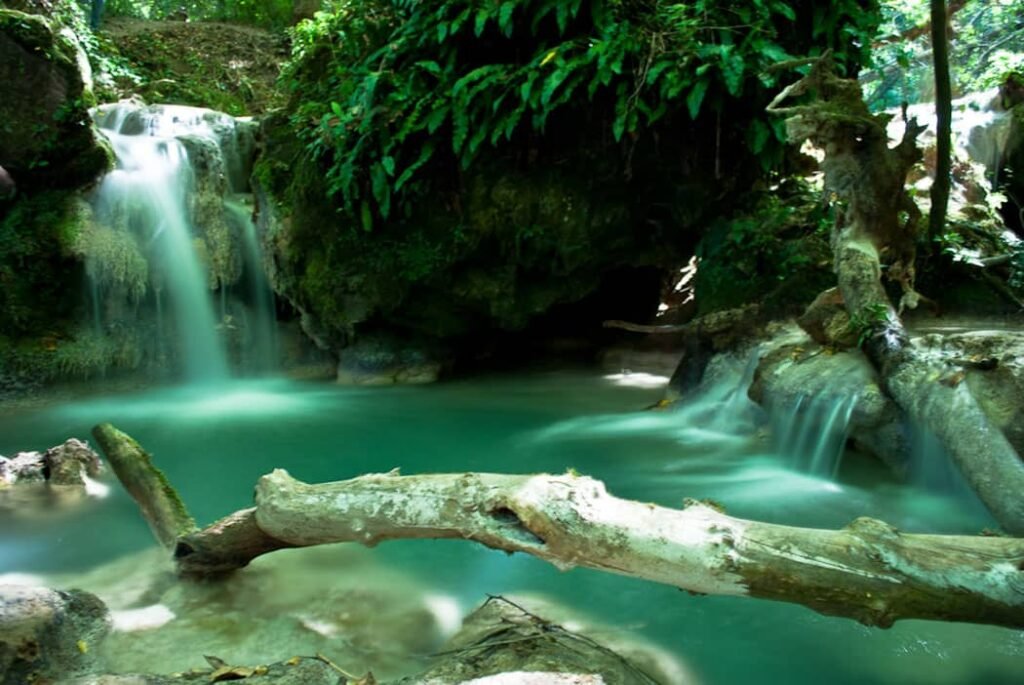
Krushuna Waterfalls are among the most beautiful and easily accessible waterfalls in Bulgaria. Famous for their striking turquoise pools, lush vegetation, and picturesque wooden boardwalks, they offer a completely different experience from the country’s dramatic mountain waterfalls. Located near the village of Krushuna in Lovech Province, this natural attraction is one of Bulgaria’s most visited waterfalls and a perfect destination for families, photographers, and nature lovers.
Quick Facts
| Feature | Details |
| Height | Approximately 20 m (66 ft) (main cascade) |
| Location | Krushuna, Lovech Province |
| Nearest Town | Letnitsa |
| Natural Area | Krushuna Karst Springs |
| Hiking Difficulty | Easy |
| Best Time to Visit | April–October |
| Suitable for Families | Yes |
Why Visit Krushuna Waterfalls?
Unlike many of Bulgaria’s waterfalls, Krushuna is renowned for its series of cascading waterfalls, emerald pools, and limestone terraces formed by mineral-rich spring water. Elevated wooden walkways and bridges allow visitors to get remarkably close to the waterfalls while protecting the fragile natural environment.
The area is ideal for visitors of all ages thanks to its well-maintained trails and peaceful atmosphere. Along the route, you’ll encounter several smaller cascades, scenic viewpoints, and tranquil pools that make the entire walk enjoyable rather than focusing on a single waterfall.
Location
Krushuna Waterfalls are located near the village of Krushuna, approximately 35 kilometers northeast of Lovech and about 180 kilometers from Sofia. The site is easily reached by car, and a designated parking area is located close to the entrance.
Hiking Information
The main eco-trail is well maintained and suitable for most visitors. The easiest route takes around 30 to 60 minutes to complete, while longer trails continue through the forest to additional waterfalls and panoramic viewpoints. Comfortable walking shoes are recommended, as sections of the boardwalk can become slippery.
Best Time to Visit
Spring and early summer offer the strongest water flow and vibrant green scenery, making them the most popular seasons to visit. Summer provides pleasant temperatures beneath the forest canopy, while autumn adds beautiful golden colors to the surrounding landscape.
Photography Tips
Visit early in the morning or later in the afternoon for softer light and fewer visitors. The wooden bridges, turquoise pools, and multiple cascading waterfalls provide countless opportunities for stunning landscape photography. A polarizing filter can help reduce reflections and enhance the vivid colors of the water.
3. Hotnitsa Waterfall
Hotnitsa Waterfall is one of Bulgaria’s most picturesque natural attractions, known for its emerald-green pool, scenic limestone cliffs, and well-maintained eco-trail. Located just a short drive from Veliko Tarnovo, it is a favorite destination for both locals and international visitors seeking an easy yet rewarding nature escape. The waterfall’s crystal-clear waters and peaceful surroundings make it one of the most photographed waterfalls in the country.
Quick Facts
| Feature | Details |
| Height | Approximately 30 m (98 ft) |
| Location | Hotnitsa Village, Veliko Tarnovo Province |
| Nearest City | Veliko Tarnovo |
| Natural Area | Hotnitsa Eco Trail |
| Hiking Difficulty | Easy to Moderate |
| Best Time to Visit | April–October |
| Suitable for Families | Yes |
Why Visit Hotnitsa Waterfall?
Hotnitsa Waterfall impresses visitors with its vibrant turquoise pool and beautiful natural setting. While the main waterfall is the highlight, the surrounding eco-trail follows the Bohot River through a scenic canyon featuring wooden bridges, rock formations, smaller waterfalls, and peaceful forest paths. The combination of easy access and stunning scenery makes it one of the best day trips from Veliko Tarnovo.
Adventure seekers can continue beyond the main waterfall to discover additional cascades and panoramic viewpoints, while casual visitors can simply enjoy the relaxing atmosphere near the main pool.
Location
Hotnitsa Waterfall is located near the village of Hotnitsa, approximately 20 kilometers (12 miles) northwest of Veliko Tarnovo. A parking area is available close to the start of the eco-trail, making the waterfall easily accessible by car.
Hiking Information
The waterfall can be reached within 10–15 minutes on a well-maintained path. Visitors wishing to explore the full Hotnitsa Eco Trail should allow 1.5 to 2 hours to complete the circular route, which includes several staircases, bridges, and viewing platforms.
Best Time to Visit
Spring and early summer provide the most powerful water flow, while summer offers ideal conditions for hiking and photography. Autumn transforms the surrounding forest into a colorful landscape, creating another excellent season for visiting.
Photography Tips
Photograph the waterfall from the viewing platform for a classic wide-angle shot, or walk closer to capture the vivid turquoise water and cascading falls. Early morning is ideal for avoiding crowds and taking advantage of soft natural light, while a tripod is recommended for long-exposure photography.
4. Boyana Waterfall

Boyana Waterfall is one of the most popular waterfalls near Sofia, offering visitors a refreshing escape into nature just minutes from the Bulgarian capital. Nestled on the slopes of Vitosha Mountain, this beautiful waterfall is surrounded by dense forests, rocky cliffs, and well-marked hiking trails. Thanks to its convenient location and scenic setting, it is a favorite destination for both locals and tourists looking to experience Bulgaria’s natural beauty without traveling far from the city.
Quick Facts
| Feature | Details |
| Height | Approximately 25 m (82 ft) |
| Location | Vitosha Nature Park, Sofia |
| Nearest City | Sofia |
| Mountain Range | Vitosha Mountain |
| Hiking Difficulty | Moderate |
| Best Time to Visit | March–June |
| Suitable for Families | Yes, with older children |
Why Visit Boyana Waterfall?
Boyana Waterfall is one of the easiest ways to experience Bulgaria’s mountain landscapes while staying close to Sofia. During spring, melting snow from Vitosha Mountain creates a powerful cascade that crashes over the rocky cliff into the stream below. Even during the warmer months, the surrounding forest provides a cool and peaceful atmosphere, making it an excellent destination for a half-day hike.
Many visitors combine the waterfall with nearby attractions such as the historic Boyana Church, a UNESCO World Heritage Site, or continue hiking deeper into Vitosha Nature Park to enjoy panoramic viewpoints and mountain trails.
Location
The waterfall is located within Vitosha Nature Park, above the Boyana district of Sofia. The hike begins near Boyana Church or the Boyana residential area, both of which are easily accessible by car, taxi, or public transportation from the city center.
Hiking Information
The hike to Boyana Waterfall takes approximately 45 to 60 minutes one way, depending on your starting point and pace. The trail is well marked but includes several steeper sections with uneven terrain, so comfortable hiking shoes are recommended.
Best Time to Visit
The waterfall is most impressive during spring, when snowmelt creates its strongest flow. It remains a popular hiking destination throughout summer and autumn, although water levels are typically lower later in the season.
Photography Tips
Visit in the early morning to enjoy softer lighting and fewer hikers on the trail. A wide-angle lens is ideal for capturing both the waterfall and the surrounding forest, while a tripod allows for beautiful long-exposure shots that emphasize the movement of the cascading water.
5. Vrachanska Skaklya Waterfall
Vrachanska Skaklya is Bulgaria’s tallest seasonal waterfall and one of the country’s most impressive natural spectacles. Located in the dramatic cliffs of the Vratsa Balkan Nature Park, the waterfall plunges approximately 141 meters (463 feet) down a near-vertical limestone rock face. Although it flows mainly during spring and after periods of heavy rainfall, witnessing Vrachanska Skaklya at full strength is an unforgettable experience.
Quick Facts
| Feature | Details |
| Height | Approximately 141 m (463 ft) |
| Location | Vratsa Balkan Nature Park |
| Nearest City | Vratsa |
| Mountain Range | Balkan Mountains (Stara Planina) |
| Hiking Difficulty | Moderate |
| Best Time to Visit | March–May |
| Suitable for Families | Yes (lower viewpoints) |
Why Visit Vrachanska Skaklya?
Vrachanska Skaklya is famous for its spectacular height and dramatic setting beneath towering limestone cliffs. Unlike permanent waterfalls, its flow depends on snowmelt and rainfall, making spring the ideal season to experience its full power. The surrounding landscape is equally impressive, featuring rugged mountain scenery, scenic hiking trails, and panoramic viewpoints overlooking the city of Vratsa.
The waterfall is also one of the highlights of Vratsa Balkan Nature Park, a protected area known for its rich biodiversity, rock climbing routes, and excellent hiking opportunities.
Location
The waterfall is located just outside the city of Vratsa in northwestern Bulgaria. It can be viewed from several easily accessible viewpoints, while hikers can explore nearby trails leading deeper into the nature park.
Hiking Information
Several hiking routes pass through Vratsa Balkan Nature Park, ranging from easy walks to more demanding mountain trails. Visitors can enjoy excellent views of the waterfall without completing a long hike, while experienced hikers can combine their visit with nearby peaks, caves, and scenic viewpoints.
Best Time to Visit
The best time to visit is during spring, particularly from March through May, when melting snow and seasonal rainfall create the waterfall’s most spectacular flow. During dry summers, the waterfall may become a thin stream or disappear entirely.
Photography Tips
Wide-angle photography works best to capture the waterfall’s impressive height against the towering limestone cliffs. Early morning and late afternoon provide the most attractive lighting, while spring offers the most dramatic water flow for landscape photography.
6. Kaya Bunar Waterfall
Kaya Bunar Waterfall is one of Bulgaria’s most accessible and refreshing waterfalls, located just outside the historic town of Karlovo in the Valley of the Roses. Surrounded by greenery and reached by a pleasant riverside walk, this picturesque waterfall is a favorite destination for families, photographers, and travelers exploring central Bulgaria. Despite its easy access, Kaya Bunar retains a peaceful atmosphere and is an excellent stop during a road trip through the region.
Quick Facts
| Feature | Details |
| Height | Approximately 10 m (33 ft) |
| Location | Karlovo, Plovdiv Province |
| Nearest Town | Karlovo |
| Mountain Range | Balkan Mountains (Stara Planina) |
| Hiking Difficulty | Easy |
| Best Time to Visit | April–October |
| Suitable for Families | Yes |
Why Visit Kaya Bunar Waterfall?
Although smaller than many of Bulgaria’s famous mountain waterfalls, Kaya Bunar is loved for its beautiful natural setting and convenient location. The waterfall flows into a tranquil pool surrounded by trees and rocky cliffs, creating a peaceful place to relax during the warmer months.
Its proximity to Karlovo also makes it easy to combine with visits to the town’s historical attractions, traditional architecture, and museums dedicated to the Bulgarian national hero Vasil Levski. Travelers exploring the Valley of the Roses often include Kaya Bunar as part of a full-day itinerary.
Location
Kaya Bunar Waterfall is located on the outskirts of Karlovo, approximately 60 kilometers (37 miles) north of Plovdiv. A short, clearly marked walking path leads from the parking area to the waterfall.
Hiking Information
The waterfall can be reached in 10–15 minutes via an easy trail suitable for most visitors. The route follows the river through shaded woodland and requires only comfortable walking shoes.
Best Time to Visit
Spring and early summer offer the strongest water flow, while summer and autumn provide pleasant temperatures and colorful scenery. After periods of heavy rainfall, the waterfall becomes especially impressive.
Photography Tips
The best photographs are taken during the morning or late afternoon when soft light filters through the surrounding trees. A wide-angle lens captures both the waterfall and its lush surroundings, while a slower shutter speed creates a smooth, silky effect on the flowing water.
7. Borov Kamak Waterfall
Borov Kamak Waterfall is one of the hidden gems of Vratsa Balkan Nature Park, offering visitors a spectacular combination of towering cliffs, dense beech forests, and crystal-clear mountain streams. Cascading approximately 63 meters (207 feet) down a rugged rock face, it is among the tallest permanent waterfalls in northwestern Bulgaria and a favorite destination for hikers seeking unspoiled natural beauty.
Quick Facts
| Feature | Details |
| Height | Approximately 63 m (207 ft) |
| Location | Vratsa Balkan Nature Park |
| Nearest City | Vratsa |
| Mountain Range | Balkan Mountains (Stara Planina) |
| Hiking Difficulty | Moderate |
| Best Time to Visit | April–June |
| Suitable for Families | Older children with hiking experience |
Why Visit Borov Kamak Waterfall?
Borov Kamak is one of Bulgaria’s most rewarding waterfall hikes. The journey to the waterfall is just as memorable as the destination itself, with wooden bridges, staircases, scenic viewpoints, and forest trails leading visitors through one of the country’s most beautiful protected areas.
Unlike some of Bulgaria’s more crowded waterfalls, Borov Kamak offers a quieter experience where visitors can enjoy the sounds of rushing water and birdsong surrounded by pristine mountain scenery. The dramatic limestone cliffs and lush vegetation make it a paradise for photographers and nature lovers.
Location
Borov Kamak Waterfall is located within Vratsa Balkan Nature Park, about 15 kilometers (9 miles) from the city of Vratsa in northwestern Bulgaria. The trail begins near the village of Zgorigrad, where parking is available.
Hiking Information
The hike to the waterfall takes approximately 1.5 to 2 hours round trip. The well-marked eco-trail includes wooden staircases, bridges, and some steeper sections, making it suitable for visitors with a moderate level of fitness. Sturdy hiking shoes are recommended.
Best Time to Visit
The waterfall is at its most impressive during spring and early summer, when snowmelt and seasonal rainfall create a powerful cascade. Autumn is another excellent time to visit, as the surrounding forests display vibrant shades of gold, orange, and red.
Photography Tips
Bring a wide-angle lens to capture the full height of the waterfall and the surrounding cliffs. A tripod is recommended for long-exposure photography, while the early morning hours provide the softest light and the fewest visitors on the trail.
8. Dokuzak Waterfall
Hidden within the lush forests of Strandzha Nature Park, Dokuzak Waterfall is one of southeastern Bulgaria’s best-kept secrets. Surrounded by ancient oak and beech trees, this peaceful waterfall offers visitors a completely different landscape from the country’s alpine waterfalls. Its tranquil atmosphere, rich biodiversity, and scenic hiking trails make it an excellent destination for travelers looking to explore Bulgaria beyond the well-known tourist routes.
Quick Facts
| Feature | Details |
| Height | Approximately 15 m (49 ft) |
| Location | Strandzha Nature Park |
| Nearest Town | Malko Tarnovo |
| Mountain Range | Strandzha Mountains |
| Hiking Difficulty | Easy to Moderate |
| Best Time to Visit | March–June |
| Suitable for Families | Yes |
Why Visit Dokuzak Waterfall?
Dokuzak Waterfall is valued less for its height and more for its untouched natural surroundings. Located in one of Bulgaria’s most biodiverse regions, the waterfall is surrounded by dense forests, rare plant species, and quiet walking trails that offer a true escape into nature. The peaceful setting makes it an ideal stop for birdwatchers, photographers, and anyone looking to experience the wild beauty of Strandzha Mountain.
Unlike some of Bulgaria’s more famous waterfalls, Dokuzak remains relatively uncrowded throughout the year, allowing visitors to enjoy the scenery without large tourist groups.
Location
Dokuzak Waterfall is located within Strandzha Nature Park, near the town of Malko Tarnovo in southeastern Bulgaria. The waterfall can be reached via a marked forest trail, and the surrounding area offers several additional hiking routes through one of Bulgaria’s oldest mountain ranges.
Hiking Information
The trail to Dokuzak Waterfall is relatively easy and takes approximately 30 to 45 minutes each way. The path passes through shaded woodland and follows a small mountain stream, making it suitable for most visitors with basic fitness.
Best Time to Visit
Spring is the best season to visit, when rainfall keeps the waterfall flowing strongly and the surrounding forest is lush and vibrant. Early summer also offers pleasant hiking conditions before the warmer weather arrives.
Photography Tips
The waterfall is beautifully framed by dense woodland, making it ideal for nature photography. Visit in the morning when sunlight filters through the trees, creating soft, natural lighting. A tripod and slower shutter speed can produce striking images of the flowing water.
9. Suchurum Waterfall
Located on the outskirts of the historic town of Karlovo, Suchurum Waterfall is one of the most accessible waterfalls in central Bulgaria. Flowing from the southern slopes of the Balkan Mountains, the waterfall drops approximately 15 meters (49 feet) into a picturesque rocky basin surrounded by lush vegetation. Its convenient location and scenic setting make it a popular stop for visitors exploring the Valley of the Roses.
Quick Facts
| Feature | Details |
| Height | Approximately 15 m (49 ft) |
| Location | Karlovo, Plovdiv Province |
| Nearest Town | Karlovo |
| Mountain Range | Balkan Mountains (Stara Planina) |
| Hiking Difficulty | Easy |
| Best Time to Visit | April–June |
| Suitable for Families | Yes |
Why Visit Suchurum Waterfall?
Suchurum Waterfall is a perfect destination for travelers looking for a beautiful natural attraction without a long hike. The waterfall is easily reached via a short walking path through a shaded park, making it ideal for families, casual walkers, and anyone visiting Karlovo.
The peaceful surroundings and constant flow of water create a relaxing atmosphere, while nearby benches and viewpoints provide excellent places to enjoy the scenery. Because of its location, Suchurum is often combined with visits to Karlovo’s historic center, museums, and cultural landmarks.
Location
The waterfall is located at the northern edge of Karlovo, approximately 60 kilometers (37 miles) north of Plovdiv. A well-maintained pedestrian path connects the town center with the waterfall, allowing visitors to reach it in just a few minutes.
Hiking Information
Reaching Suchurum Waterfall requires only a 10 to 15-minute walk on a paved and well-maintained trail. The route is suitable for visitors of all ages and requires no special hiking equipment.
Best Time to Visit
Spring is the best season to experience Suchurum at its fullest, thanks to snowmelt from the Balkan Mountains. The waterfall remains attractive throughout summer and autumn, when the surrounding trees provide welcome shade from the heat.
Photography Tips
Photograph the waterfall from the viewing platform to capture both the cascading water and the surrounding greenery. Early morning and late afternoon provide the most flattering light, while a tripod can be used to create beautiful long-exposure images of the flowing water.
10. Polska Skakavitsa Waterfall
Polska Skakavitsa Waterfall is one of Bulgaria’s most picturesque hidden treasures, tucked away in the tranquil Osogovo Mountains near the village of Polska Skakavitsa. Cascading approximately 52 meters (171 feet) over a dramatic limestone cliff, the waterfall is surrounded by dense forests, wildflowers, and breathtaking views of the surrounding countryside. Although it is less visited than some of Bulgaria’s famous waterfalls, its peaceful setting makes it a rewarding destination for hikers and nature lovers.
Quick Facts
| Feature | Details |
| Height | Approximately 52 m (171 ft) |
| Location | Kyustendil Province |
| Nearest Town | Kyustendil |
| Mountain Range | Osogovo Mountains |
| Hiking Difficulty | Easy to Moderate |
| Best Time to Visit | April–June |
| Suitable for Families | Yes |
Why Visit Polska Skakavitsa Waterfall?
Polska Skakavitsa is known for its impressive vertical drop and beautiful natural surroundings. Unlike many waterfalls that can only be admired from the front, visitors can carefully walk behind parts of the cascading water when conditions are safe, offering a unique perspective and fantastic photo opportunities.
The trail passes through peaceful forests and open meadows, making the journey as enjoyable as the destination itself. Thanks to its relatively quiet location, visitors can often experience the waterfall without the crowds found at more popular attractions.
Location
The waterfall is located near the village of Polska Skakavitsa in western Bulgaria, approximately 25 kilometers (16 miles) northeast of Kyustendil. The starting point for the hiking trail is easily accessible by car.
Hiking Information
The hike to the waterfall takes approximately 30 to 45 minutes each way on a marked forest trail. The route is generally suitable for most visitors, although sturdy footwear is recommended, especially after rain when parts of the trail may become slippery.
Best Time to Visit
Spring and early summer offer the strongest water flow thanks to melting snow and seasonal rainfall. Autumn is another excellent time to visit, when the surrounding forests are transformed by vibrant shades of yellow, orange, and red.
Photography Tips
Bring a wide-angle lens to capture the full height of the waterfall and the surrounding cliffs. Early morning provides the softest lighting, while a tripod is ideal for creating smooth long-exposure images of the cascading water. If conditions are safe, photographing the waterfall from behind the curtain of water creates a unique and memorable composition.
11. Vidimsko Praskalo
Vidimsko Praskalo is one of Bulgaria’s tallest and most impressive permanent waterfalls, hidden within the spectacular landscapes of Central Balkan National Park. With a height of approximately 80 meters (262 feet), it plunges down steep cliffs surrounded by ancient beech forests and rugged mountain scenery. Although reaching the waterfall requires a rewarding hike, visitors are treated to one of the country’s most peaceful and unspoiled natural destinations.
Quick Facts
| Feature | Details |
| Height | Approximately 80 m (262 ft) |
| Location | Central Balkan National Park |
| Nearest Village | Apriltsi (Vidima) |
| Mountain Range | Balkan Mountains (Stara Planina) |
| Hiking Difficulty | Moderate |
| Best Time to Visit | May–July |
| Suitable for Families | Older children with hiking experience |
Why Visit Vidimsko Praskalo?
Vidimsko Praskalo is a paradise for hikers and nature enthusiasts seeking a quieter alternative to Bulgaria’s more famous waterfalls. The trail follows crystal-clear mountain streams through centuries-old forests before revealing the impressive cascade tumbling down the cliffs beneath Mount Botev.
Because of its location within one of Bulgaria’s most important protected areas, the waterfall is surrounded by exceptional biodiversity, making it an excellent destination for birdwatching, wildlife observation, and landscape photography. The peaceful atmosphere and untouched wilderness create an unforgettable mountain experience.
Location
The waterfall is located above the village of Vidima, near Apriltsi, within Central Balkan National Park in central Bulgaria. Most visitors begin their hike from the village, following well-marked trails into the national park.
Hiking Information
The hike to Vidimsko Praskalo takes approximately 2.5 to 3 hours one way, depending on your pace. The trail is well maintained but includes a steady climb through mountain terrain, so good hiking footwear, water, and appropriate outdoor clothing are recommended.
Best Time to Visit
The ideal time to visit is between May and July, when melting snow from the Balkan Mountains creates the waterfall’s strongest flow. Summer provides excellent hiking conditions, while autumn offers spectacular colors throughout the surrounding forests.
Photography Tips
The best viewpoints are found along the hiking trail and near the base of the waterfall. A wide-angle lens is perfect for capturing the full height of the cascade, while a telephoto lens allows photographers to highlight details of the rushing water against the dramatic cliff face. Early morning light produces the most vibrant landscape photographs.
12. Kademliya Waterfall
Kademliya Waterfall is one of the tallest and most spectacular waterfalls in Central Balkan National Park. Hidden within the untouched landscapes of the Tazha Reserve, this impressive cascade plunges approximately 72 meters (236 feet) down a sheer rock face, creating one of Bulgaria’s most rewarding destinations for experienced hikers. Surrounded by dense forests, alpine meadows, and rugged mountain peaks, Kademliya offers a true wilderness experience far from the crowds.
Quick Facts
| Feature | Details |
| Height | Approximately 72 m (236 ft) |
| Location | Central Balkan National Park, Tazha Reserve |
| Nearest Town | Pavel Banya |
| Mountain Range | Balkan Mountains (Stara Planina) |
| Hiking Difficulty | Moderate to Challenging |
| Best Time to Visit | May–July |
| Suitable for Families | No, recommended for experienced hikers |
Why Visit Kademliya Waterfall?
Kademliya Waterfall is one of Bulgaria’s hidden natural treasures. Unlike the country’s more accessible waterfalls, reaching Kademliya requires a longer hike through one of the best-preserved wilderness areas in the Balkans. The reward is a breathtaking waterfall surrounded by pristine forests, towering cliffs, and peaceful mountain scenery rarely disturbed by large numbers of visitors.
The trail passes through the protected Tazha Reserve, an area known for its ancient beech forests, diverse wildlife, and exceptional biodiversity. Visitors may spot golden eagles, deer, and a variety of native plant species while hiking through this remarkable landscape.
Location
Kademliya Waterfall is located within the Tazha Reserve in Central Balkan National Park, near the town of Pavel Banya in central Bulgaria. The hike begins from the Tazha area, where marked trails lead into the reserve.
Hiking Information
The hike to Kademliya Waterfall typically takes 3 to 4 hours one way, depending on the chosen route and hiking pace. The trail includes forest paths, moderate elevation gain, and several mountain streams. Good hiking boots, plenty of water, and appropriate outdoor clothing are strongly recommended.
Best Time to Visit
Late spring and early summer offer the most impressive water flow as melting snow feeds the mountain streams. Summer provides excellent hiking conditions, while autumn transforms the surrounding beech forests into a colorful landscape.
Photography Tips
The waterfall is best photographed from the viewing area near its base, where the full height of the cascade can be appreciated. Early morning light enhances the surrounding cliffs and forest, while a tripod is ideal for capturing smooth, long-exposure images of the falling water.
13. Slivodolsko Padalo
Slivodolsko Padalo is one of the most spectacular waterfalls in the Rhodope Mountains, captivating visitors with its dramatic 50-meter (164-foot) cascade, towering cliffs, and pristine forest surroundings. Located within the Western Rhodope Mountains near the village of Bachkovo, this picturesque waterfall is a favorite destination for hikers, photographers, and anyone seeking a peaceful escape into nature.
Quick Facts
| Feature | Details |
| Height | Approximately 50 m (164 ft) |
| Location | Western Rhodope Mountains |
| Nearest Village | Bachkovo |
| Mountain Range | Rhodope Mountains |
| Hiking Difficulty | Moderate |
| Best Time to Visit | April–June |
| Suitable for Families | Older children with hiking experience |
Why Visit Slivodolsko Padalo?
Slivodolsko Padalo offers one of the most scenic waterfall hikes in southern Bulgaria. The well-marked eco-trail winds through dense forests, crosses wooden bridges, and follows the Slivodol River before reaching the impressive waterfall hidden beneath steep limestone cliffs.
Along the route, visitors encounter several smaller cascades, crystal-clear mountain streams, and scenic viewpoints, making the hike enjoyable from start to finish. The peaceful atmosphere and rich natural surroundings provide an authentic wilderness experience away from the country’s busiest tourist attractions.
Location
The waterfall is located near the village of Bachkovo, approximately 30 kilometers (19 miles) south of Plovdiv. The hiking trail begins close to the famous Bachkovo Monastery, allowing visitors to combine two of the region’s most popular attractions in a single day.
Hiking Information
The hike to Slivodolsko Padalo takes approximately 1 to 1.5 hours each way along a well-maintained eco-trail. The route includes some rocky sections and moderate elevation gain, so sturdy hiking shoes are recommended.
Best Time to Visit
Spring is the ideal season to visit, when snowmelt and rainfall create the waterfall’s strongest flow. Early summer also offers excellent hiking conditions, while autumn brings colorful forests that provide a beautiful backdrop for photography.
Photography Tips
A wide-angle lens is ideal for capturing both the waterfall and the dramatic surrounding cliffs. Visit early in the day for softer light and fewer visitors, and bring a tripod if you plan to photograph the flowing water using long-exposure techniques.
14. Popinolashki Waterfall
Popinolashki Waterfall is one of the most beautiful natural attractions in the Pirin Mountains, renowned for its crystal-clear mountain waters, tranquil forest setting, and easy accessibility. Fed by the Popina Laka River, the waterfall tumbles approximately 12 meters (39 feet) over moss-covered rocks, creating a peaceful oasis surrounded by centuries-old pine and beech forests. It is a popular stop for visitors exploring Pirin National Park and the nearby town of Sandanski.
Quick Facts
| Feature | Details |
| Height | Approximately 12 m (39 ft) |
| Location | Pirin Mountains |
| Nearest Town | Sandanski |
| Mountain Range | Pirin Mountains |
| Hiking Difficulty | Easy |
| Best Time to Visit | April–October |
| Suitable for Families | Yes |
Why Visit Popinolashki Waterfall?
Popinolashki Waterfall is the perfect destination for travelers seeking a relaxing nature walk without a demanding hike. The waterfall is surrounded by lush mountain forests, fresh alpine air, and the soothing sounds of flowing water, making it an ideal place for picnics, photography, and short outdoor adventures.
Its location near Sandanski also makes it easy to combine with visits to Pirin National Park, hiking trails, mineral springs, and local wineries, making it one of southwestern Bulgaria’s most enjoyable natural attractions.
Location
Popinolashki Waterfall is located about 18 kilometers (11 miles) northeast of Sandanski, along the scenic road leading toward the Popina Laka area in the Pirin Mountains. Parking is available near the trailhead.
Hiking Information
The waterfall is reached via a short and well-maintained forest path that takes approximately 10 to 20 minutes to walk. The trail is suitable for visitors of all ages and requires only comfortable walking shoes.
Best Time to Visit
The waterfall flows throughout the year, but it is most impressive during spring and early summer, when melting snow from the Pirin Mountains increases the water volume. Summer offers cool temperatures beneath the forest canopy, while autumn provides spectacular colors throughout the surrounding woodland.
Photography Tips
The moss-covered rocks and forest backdrop create excellent opportunities for nature photography. Visit early in the morning for soft natural light, and use a tripod with a slow shutter speed to capture the silky movement of the cascading water.
15. Skakavitsa Waterfall
Skakavitsa Waterfall is one of the most beautiful waterfalls in the Rila Mountains, captivating visitors with its graceful 70-meter (230-foot) cascade and breathtaking alpine scenery. Located within Rila National Park, this spectacular waterfall is surrounded by dense pine forests, crystal-clear mountain streams, and scenic hiking trails. Its peaceful setting and impressive height make it one of the highlights of northwestern Rila and a favorite destination for hikers and photographers.
Quick Facts
| Feature | Details |
| Height | Approximately 70 m (230 ft) |
| Location | Rila National Park |
| Nearest Town | Sapareva Banya |
| Mountain Range | Rila Mountains |
| Hiking Difficulty | Moderate |
| Best Time to Visit | May–July |
| Suitable for Families | Older children with hiking experience |
Why Visit Skakavitsa Waterfall?
Skakavitsa Waterfall is renowned for its beautiful natural surroundings and rewarding hiking experience. The trail passes through fragrant pine forests and open mountain meadows before reaching the impressive waterfall as it plunges over a rocky cliff into the valley below.
Many visitors combine the hike with nearby attractions such as the Seven Rila Lakes, making it an excellent addition to a day or weekend exploring one of Bulgaria’s most famous mountain regions. During winter, the waterfall often freezes into a spectacular wall of ice, attracting experienced ice climbers and photographers.
Location
The waterfall is located in Rila National Park, near the popular spa town of Sapareva Banya in southwestern Bulgaria. Most hikers begin their journey from the Zeleni Preslap area or nearby mountain trails leading into the park.
Hiking Information
The hike to Skakavitsa Waterfall takes approximately 1.5 to 2 hours each way on a well-marked mountain trail. The route includes moderate elevation gain and passes through scenic forests and alpine landscapes. Good hiking footwear and water are recommended.
Best Time to Visit
Late spring and early summer provide the strongest water flow thanks to melting snow from the surrounding mountains. Summer offers ideal hiking conditions, while winter transforms the waterfall into one of Bulgaria’s most impressive frozen natural attractions.
Photography Tips
Bring a wide-angle lens to capture the waterfall within its spectacular mountain setting. Morning light is ideal for landscape photography, while a tripod allows for stunning long-exposure shots that emphasize the movement of the cascading water.
16. Momin Skok Waterfall
Momin Skok Waterfall is a charming natural attraction located within the scenic Emen Canyon in central Bulgaria. Surrounded by limestone cliffs, lush forests, and the crystal-clear waters of the Negovanka River, this picturesque waterfall is a highlight of the famous Emen Eco Trail. Its peaceful atmosphere and easy accessibility make it a wonderful destination for families, hikers, and photographers exploring the Veliko Tarnovo region.
Quick Facts
| Feature | Details |
| Height | Approximately 10 m (33 ft) |
| Location | Emen Canyon, Veliko Tarnovo Province |
| Nearest Village | Emen |
| Natural Area | Emen Eco Trail |
| Hiking Difficulty | Easy |
| Best Time to Visit | April–October |
| Suitable for Families | Yes |
Why Visit Momin Skok Waterfall?
Although not among Bulgaria’s tallest waterfalls, Momin Skok is celebrated for its beautiful setting within one of the country’s most scenic river canyons. The waterfall flows into a tranquil emerald pool surrounded by dramatic limestone cliffs, creating a peaceful retreat in the heart of nature.
The waterfall is part of the popular Emen Eco Trail, which features wooden bridges, panoramic viewpoints, caves, and impressive rock formations. Visitors can easily combine the waterfall with a relaxing walk through the canyon, making it one of the best day trips from Veliko Tarnovo.
Location
Momin Skok Waterfall is located near the village of Emen, approximately 20 kilometers (12 miles) west of Veliko Tarnovo. A parking area is available near the start of the eco-trail, providing convenient access to the waterfall.
Hiking Information
The waterfall can be reached in approximately 20 to 30 minutes along a well-maintained eco-trail suitable for most visitors. The route includes wooden walkways, gentle slopes, and several scenic viewpoints overlooking Emen Canyon.
Best Time to Visit
Spring and early summer offer the strongest water flow and lush green scenery. Summer is ideal for leisurely walks through the shaded canyon, while autumn brings vibrant colors to the surrounding forest.
Photography Tips
Capture the waterfall together with the surrounding limestone cliffs and emerald pool for the most striking compositions. Morning and late afternoon provide the best natural lighting, while a tripod is useful for creating silky long-exposure images of the cascading water.
17. Goritsa Waterfall
Goritsa Waterfall is one of the most beautiful waterfalls in the Rila Mountains, offering visitors a peaceful retreat surrounded by dense forests and pristine mountain scenery. Located near the village of Ovchartsi, close to the popular spa town of Sapareva Banya, the waterfall plunges approximately 39 meters (128 feet) over a rocky cliff before continuing through a picturesque mountain stream. Its easy accessibility and scenic location make it a favorite destination for families and nature lovers.
Quick Facts
| Feature | Details |
| Height | Approximately 39 m (128 ft) |
| Location | Ovchartsi, Kyustendil Province |
| Nearest Town | Sapareva Banya |
| Mountain Range | Rila Mountains |
| Hiking Difficulty | Easy |
| Best Time to Visit | April–October |
| Suitable for Families | Yes |
Why Visit Goritsa Waterfall?
Goritsa Waterfall combines beautiful mountain scenery with an easy and enjoyable hiking experience. The waterfall is surrounded by centuries-old pine forests, fresh mountain air, and scenic picnic areas, making it a perfect destination for visitors of all ages.
Many travelers combine a visit to Goritsa Waterfall with nearby attractions such as the Seven Rila Lakes, the Rila Monastery, or the famous hot mineral springs of Sapareva Banya, creating an unforgettable day of sightseeing and outdoor adventure.
Location
The waterfall is located above the village of Ovchartsi, approximately 8 kilometers (5 miles) from Sapareva Banya in southwestern Bulgaria. Visitors can park near the trailhead before following a well-marked path to the waterfall.
Hiking Information
The hike to Goritsa Waterfall takes approximately 20 to 30 minutes each way along a pleasant forest trail. The route is suitable for most visitors and includes only gentle elevation gain, making it ideal for families and casual hikers.
Best Time to Visit
Spring and early summer offer the strongest water flow thanks to melting snow from the Rila Mountains. Summer provides cool temperatures beneath the forest canopy, while autumn transforms the surrounding landscape into a colorful display of gold and orange.
Photography Tips
The viewing area near the base of the waterfall offers excellent opportunities to capture both the cascade and its forest surroundings. Visit in the early morning for soft natural light, and use a tripod to create smooth long-exposure photographs of the flowing water.
18. Samodivsko Praskalo
Samodivsko Praskalo is one of the most enchanting waterfalls in the Rhodope Mountains, hidden deep within the famous Canyon of Waterfalls near the town of Smolyan. Surrounded by towering cliffs, moss-covered rocks, and ancient forests, this picturesque waterfall is one of several beautiful cascades found along one of Bulgaria’s most scenic eco-trails. Its magical setting has inspired local legends about the mythical samodivi (woodland nymphs), from which the waterfall takes its name.
Quick Facts
| Feature | Details |
| Height | Approximately 25 m (82 ft) |
| Location | Canyon of Waterfalls, Smolyan |
| Nearest Town | Smolyan |
| Mountain Range | Rhodope Mountains |
| Hiking Difficulty | Easy to Moderate |
| Best Time to Visit | April–October |
| Suitable for Families | Yes |
Why Visit Samodivsko Praskalo?
Samodivsko Praskalo is one of the highlights of the Canyon of Waterfalls Eco Trail, a spectacular hiking route featuring numerous waterfalls, wooden bridges, panoramic viewpoints, and lush mountain forests. The waterfall’s graceful cascade and tranquil surroundings make it a favorite stop for photographers and nature lovers.
The nearby eco-trail offers an unforgettable opportunity to explore one of Bulgaria’s richest natural areas, where visitors can enjoy fresh mountain air, diverse wildlife, and stunning Rhodope scenery throughout the year.
Location
Samodivsko Praskalo is located within the Canyon of Waterfalls Nature Area, approximately 15 minutes by car from the center of Smolyan in southern Bulgaria. The waterfall is reached via the well-marked Canyon of Waterfalls Eco Trail.
Hiking Information
The hike follows a maintained mountain trail with wooden bridges, staircases, and observation platforms. Reaching Samodivsko Praskalo typically takes 45 to 60 minutes, depending on your pace and how many viewpoints you stop to enjoy along the route.
Best Time to Visit
Spring and early summer provide the most impressive water flow, while summer offers comfortable hiking conditions beneath the forest canopy. Autumn is equally spectacular as the surrounding Rhodope forests transform into vibrant shades of yellow, orange, and red.
Photography Tips
Bring a wide-angle lens to capture both the waterfall and the surrounding canyon landscape. Early morning provides soft lighting and fewer visitors, while a tripod is recommended for creating beautiful long-exposure photographs of the cascading water.
19. Karlovsko Praskalo
Karlovsko Praskalo is one of the highest and most impressive waterfalls in the Balkan Mountains (Stara Planina). Hidden within the breathtaking landscapes of Central Balkan National Park, this magnificent waterfall plunges approximately 54 meters (177 feet) down a steep rocky cliff surrounded by dense forests and alpine meadows. Its remote location and spectacular scenery make it a rewarding destination for experienced hikers and nature enthusiasts.
Quick Facts
| Feature | Details |
| Height | Approximately 54 m (177 ft) |
| Location | Central Balkan National Park |
| Nearest Town | Karlovo |
| Mountain Range | Balkan Mountains (Stara Planina) |
| Hiking Difficulty | Moderate to Challenging |
| Best Time to Visit | May–July |
| Suitable for Families | Older children with hiking experience |
Why Visit Karlovsko Praskalo?
Karlovsko Praskalo is one of Central Bulgaria’s hidden natural treasures. Unlike the country’s more accessible waterfalls, reaching this impressive cascade requires a scenic mountain hike through forests, rivers, and open meadows. The journey rewards visitors with pristine landscapes, fresh mountain air, and one of the most beautiful waterfalls in the Balkan Mountains.
The waterfall is also located within Central Balkan National Park, one of Bulgaria’s most important protected areas. Visitors can enjoy exceptional biodiversity, panoramic mountain views, and peaceful surroundings far from busy tourist destinations.
Location
Karlovsko Praskalo is situated above the town of Karlovo in Central Balkan National Park. Most hikers begin their journey from the Hubavets Hut area or nearby mountain trails leading toward the higher elevations of the park.
Hiking Information
The hike to Karlovsko Praskalo generally takes 3 to 4 hours one way, depending on the chosen route and hiking pace. The trail includes forest paths, rocky sections, and moderate elevation gain, making sturdy hiking boots and sufficient water essential.
Best Time to Visit
The waterfall is at its most spectacular during late spring and early summer, when melting snow significantly increases the water flow. Summer provides excellent hiking conditions, while autumn offers colorful forests and pleasant temperatures for outdoor adventures.
Photography Tips
The best photographs are taken from the viewing areas below the waterfall, where the entire cascade can be framed against the dramatic mountain cliffs. A wide-angle lens works well for landscape compositions, while a tripod allows photographers to capture the silky movement of the falling water using long-exposure techniques.
20. Fotinski Waterfalls
The Fotinski Waterfalls are among the hidden gems of the Western Rhodope Mountains, offering visitors a peaceful escape into one of Bulgaria’s most beautiful forest landscapes. Located near the village of Fotinovo, this series of three picturesque waterfalls is surrounded by towering pine forests, moss-covered rocks, and crystal-clear mountain streams. Their secluded location and untouched natural beauty make them a favorite destination for hikers seeking a quieter alternative to Bulgaria’s more popular waterfalls.
Quick Facts
| Feature | Details |
| Height | Up to approximately 16 m (52 ft) |
| Location | Fotinovo, Pazardzhik Province |
| Nearest Town | Batak |
| Mountain Range | Western Rhodope Mountains |
| Hiking Difficulty | Easy to Moderate |
| Best Time to Visit | April–October |
| Suitable for Families | Yes |
Why Visit the Fotinski Waterfalls?
Unlike a single large cascade, the Fotinski Waterfalls consist of three beautiful waterfalls connected by a scenic forest trail. Each waterfall has its own unique character, with clear pools, rocky cliffs, and lush vegetation creating a peaceful atmosphere throughout the hike.
Because the area remains relatively undiscovered by international tourists, visitors can often enjoy the waterfalls in complete tranquility. The combination of fresh mountain air, birdsong, and flowing water makes this one of the most relaxing nature destinations in the Rhodope Mountains.
Location
The waterfalls are located near the village of Fotinovo, approximately 25 kilometers (16 miles) southwest of Batak in the Western Rhodope Mountains. The trailhead is accessible by car, with parking available nearby.
Hiking Information
The hiking trail to the waterfalls is well marked and takes approximately 45 to 60 minutes to complete. The route follows shaded forest paths with only moderate elevation changes, making it suitable for most visitors with basic fitness.
Best Time to Visit
Spring and early summer provide the strongest water flow, while summer offers pleasant temperatures beneath the forest canopy. Autumn is equally rewarding, with colorful foliage creating spectacular scenery throughout the trail.
Photography Tips
Each of the three waterfalls offers unique photographic opportunities. Bring a wide-angle lens to capture the surrounding forest and a tripod for long-exposure images that emphasize the smooth movement of the cascading water. Morning light filters beautifully through the trees, creating ideal conditions for landscape photography.
21. Varovitets Waterfall
Varovitets Waterfall is a beautiful hidden gem nestled in the Balkan Mountains near the historic Etropole Monastery. Cascading gracefully over limestone rocks into a crystal-clear stream, the waterfall is surrounded by dense forests, wooden bridges, and a peaceful eco-trail that makes it one of the most enjoyable short hikes in western Bulgaria. Its combination of natural beauty and cultural heritage makes it a popular destination for families, hikers, and visitors exploring the Etropole region.
Quick Facts
| Feature | Details |
| Height | Approximately 15 m (49 ft) |
| Location | Etropole, Sofia Province |
| Nearest Town | Etropole |
| Mountain Range | Balkan Mountains (Stara Planina) |
| Hiking Difficulty | Easy |
| Best Time to Visit | April–October |
| Suitable for Families | Yes |
Why Visit Varovitets Waterfall?
Varovitets Waterfall offers visitors a relaxing nature experience just a short walk from the famous Etropole Monastery, one of Bulgaria’s oldest Orthodox monasteries. The surrounding eco-trail winds through shady forests alongside a mountain stream, crossing charming wooden bridges before reaching the picturesque waterfall.
The combination of history, culture, and nature makes this one of the best day trips in western Bulgaria. Visitors can enjoy the monastery, explore the scenic hiking trail, and experience the peaceful atmosphere that has attracted pilgrims and travelers for centuries.
Location
Varovitets Waterfall is located approximately 5 kilometers (3 miles) from the town of Etropole in western Bulgaria. The hiking trail begins near Etropole Monastery, where parking is available for visitors.
Hiking Information
The waterfall is reached via the popular Varovitets Eco Trail, which takes approximately 20 to 30 minutes each way. The route is well maintained and suitable for visitors of all ages, with gentle inclines and several scenic viewpoints along the way.
Best Time to Visit
Spring and early summer provide the most powerful water flow, while summer offers cool, shaded hiking conditions. Autumn is another excellent season, as the surrounding forest displays vibrant fall colors that enhance the beauty of the trail.
Photography Tips
Capture the waterfall together with the surrounding woodland and wooden bridges for the most attractive compositions. Morning light creates soft illumination throughout the forest, while a tripod allows photographers to create beautiful long-exposure images of the flowing water.
22. Skok Waterfall
Skok Waterfall is one of the most picturesque natural attractions near the town of Teteven, nestled in the heart of the Balkan Mountains (Stara Planina). Surrounded by dense forests, towering limestone cliffs, and crystal-clear mountain streams, this beautiful waterfall offers visitors a peaceful retreat into nature. Although less famous than some of Bulgaria’s iconic waterfalls, its tranquil setting and scenic hiking trail make it a rewarding destination for outdoor enthusiasts.
Quick Facts
| Feature | Details |
| Height | Approximately 30 m (98 ft) |
| Location | Teteven, Lovech Province |
| Nearest Town | Teteven |
| Mountain Range | Balkan Mountains (Stara Planina) |
| Hiking Difficulty | Easy to Moderate |
| Best Time to Visit | April–June |
| Suitable for Families | Yes |
Why Visit Skok Waterfall?
Skok Waterfall is known for its peaceful atmosphere and beautiful mountain surroundings. The hike follows a picturesque forest trail alongside a mountain stream, offering visitors the chance to enjoy fresh air, birdsong, and panoramic views before reaching the waterfall.
The area around Teteven is famous for its dramatic cliffs, caves, and eco-trails, making Skok Waterfall an excellent addition to a full day of exploring one of Bulgaria’s most beautiful mountain regions.
Location
The waterfall is located near the town of Teteven in central northern Bulgaria, approximately 115 kilometers (71 miles) northeast of Sofia. A marked hiking trail leads from the outskirts of the town to the waterfall.
Hiking Information
The trail to Skok Waterfall takes approximately 30 to 45 minutes each way and follows a well-maintained forest path with moderate elevation gain. Comfortable hiking shoes are recommended, particularly after rainfall when sections of the trail may become slippery.
Best Time to Visit
Spring is the best time to visit, when snowmelt from the Balkan Mountains creates the strongest water flow. Summer offers cool temperatures beneath the forest canopy, while autumn provides stunning scenery as the surrounding trees turn vibrant shades of gold and red.
Photography Tips
The waterfall is best photographed from the viewing area near its base, where the surrounding cliffs and forest create a dramatic backdrop. Visit early in the morning for soft lighting, and use a tripod to capture smooth, long-exposure images of the cascading water.
23. Orpheus Waterfall
Orpheus Waterfall is one of the most enchanting waterfalls in the Rhodope Mountains, located along the famous Canyon of Waterfalls Eco Trail near Smolyan. Named after the legendary Thracian musician Orpheus, who is believed to have lived in the Rhodope Mountains, this picturesque waterfall combines natural beauty with local folklore. Surrounded by towering cliffs, lush forests, and crystal-clear streams, it is one of the highlights of this remarkable hiking destination.
Quick Facts
| Feature | Details |
| Height | Approximately 20 m (66 ft) |
| Location | Canyon of Waterfalls, Smolyan |
| Nearest Town | Smolyan |
| Mountain Range | Rhodope Mountains |
| Hiking Difficulty | Easy to Moderate |
| Best Time to Visit | April–October |
| Suitable for Families | Yes |
Why Visit Orpheus Waterfall?
Orpheus Waterfall is part of one of Bulgaria’s most scenic eco-trails, where visitors can discover numerous waterfalls, wooden bridges, observation platforms, and breathtaking mountain scenery. The waterfall’s peaceful setting and constant flow make it an ideal place to pause and enjoy the tranquil sounds of nature.
The surrounding Rhodope Mountains are steeped in mythology and history, adding a unique cultural dimension to every visit. Exploring the Canyon of Waterfalls offers an unforgettable combination of hiking, photography, and discovering one of Bulgaria’s most beautiful natural landscapes.
Location
Orpheus Waterfall is located within the Canyon of Waterfalls Nature Area, just a few kilometers from the town of Smolyan in southern Bulgaria. The waterfall is reached via the well-maintained Canyon of Waterfalls Eco Trail.
Hiking Information
The trail to Orpheus Waterfall follows clearly marked forest paths, wooden bridges, and scenic viewpoints. Most visitors reach the waterfall within 45 to 60 minutes, depending on their pace and the number of stops along the route.
Best Time to Visit
Spring and early summer provide the strongest water flow and lush mountain scenery. Summer offers comfortable hiking temperatures beneath the forest canopy, while autumn transforms the canyon into a spectacular display of colorful foliage.
Photography Tips
Capture the waterfall together with the surrounding cliffs and forest for dramatic landscape photographs. A wide-angle lens works best for showcasing the scenery, while a tripod allows you to create smooth, long-exposure images of the cascading water.
24. Babsko Praskalo
Babsko Praskalo is one of the hidden natural treasures of Central Balkan National Park, offering visitors a spectacular mountain setting far from the crowds. Cascading approximately 54 meters (177 feet) down rugged cliffs, the waterfall is surrounded by ancient beech forests, alpine meadows, and crystal-clear streams. Its remote location makes it a favorite destination for experienced hikers looking to discover one of Bulgaria’s lesser-known yet incredibly beautiful waterfalls.
Quick Facts
| Feature | Details |
| Height | Approximately 54 m (177 ft) |
| Location | Central Balkan National Park |
| Nearest Town | Apriltsi |
| Mountain Range | Balkan Mountains (Stara Planina) |
| Hiking Difficulty | Moderate to Challenging |
| Best Time to Visit | May–July |
| Suitable for Families | Older children with hiking experience |
Why Visit Babsko Praskalo?
Babsko Praskalo offers visitors an authentic wilderness experience in one of Bulgaria’s most pristine protected areas. The hike passes through dense forests, mountain streams, and scenic valleys before revealing the impressive waterfall cascading down a dramatic rock face.
Unlike Bulgaria’s more popular waterfalls, Babsko Praskalo remains relatively undiscovered, allowing hikers to enjoy peaceful surroundings and untouched nature. The area is also home to a wide variety of wildlife, making it an excellent destination for birdwatching and nature photography.
Location
Babsko Praskalo is located within Central Balkan National Park, above the town of Apriltsi in central Bulgaria. Most hiking routes begin from the nearby mountain huts and follow marked trails through the park.
Hiking Information
Reaching the waterfall requires a 3 to 4-hour hike one way, depending on the starting point and trail conditions. The route includes forest paths, rocky terrain, and steady elevation gain, so proper hiking boots, sufficient water, and appropriate outdoor gear are highly recommended.
Best Time to Visit
The ideal time to visit is from May through July, when melting snow creates the strongest water flow. Summer offers pleasant hiking conditions at higher elevations, while autumn rewards visitors with colorful mountain forests and crisp, clear views.
Photography Tips
The best photographs are taken from viewpoints near the waterfall, where the entire cascade can be framed against the surrounding cliffs and forest. A wide-angle lens is perfect for landscape shots, while a tripod allows photographers to capture the silky movement of the water using long-exposure techniques.
25. Chavcha Waterfall
Chavcha Waterfall is one of the hidden gems of the Rhodope Mountains, offering visitors a peaceful escape into one of Bulgaria’s most scenic mountain regions. Surrounded by dense forests, moss-covered rocks, and crystal-clear streams, the waterfall provides a tranquil atmosphere away from the country’s more popular tourist destinations. Its natural beauty and relatively uncrowded setting make it a rewarding stop for hikers, photographers, and anyone looking to explore Bulgaria’s lesser-known waterfalls.
Quick Facts
| Feature | Details |
| Height | Approximately 20 m (66 ft) |
| Location | Rhodope Mountains |
| Nearest Town | Devin |
| Mountain Range | Rhodope Mountains |
| Hiking Difficulty | Easy to Moderate |
| Best Time to Visit | April–October |
| Suitable for Families | Yes |
Why Visit Chavcha Waterfall?
Chavcha Waterfall is admired for its peaceful surroundings and pristine natural environment. The trail passes through beautiful Rhodope forests rich in wildlife, wildflowers, and mountain streams before reaching the waterfall. Because it remains relatively unknown compared to Bulgaria’s famous waterfalls, visitors can often enjoy the area without large crowds.
The surrounding region is well known for its spectacular gorges, caves, mineral springs, and traditional mountain villages, making Chavcha Waterfall an excellent addition to a broader Rhodope Mountains itinerary.
Location
Chavcha Waterfall is located in the Rhodope Mountains near the spa town of Devin in southern Bulgaria. The waterfall can be reached via local hiking trails that begin near nearby villages and forest roads.
Hiking Information
The hike to Chavcha Waterfall generally takes 30 to 60 minutes, depending on the chosen route. The trail follows forest paths with gentle elevation changes and is suitable for most visitors wearing comfortable hiking shoes.
Best Time to Visit
Spring and early summer offer the most impressive water flow thanks to snowmelt and seasonal rainfall. Summer provides cool temperatures beneath the forest canopy, while autumn colors create spectacular scenery throughout the surrounding mountains.
Photography Tips
Photograph the waterfall from the lower viewing area to include the surrounding forest and rocky cliffs. Early morning and late afternoon provide the softest natural light, while a tripod is ideal for creating smooth, long-exposure photographs of the flowing water.
Highest Waterfalls in Bulgaria
Bulgaria is home to some of the tallest waterfalls in Southeastern Europe, many of which are hidden within the country’s spectacular mountain ranges and protected national parks. From towering permanent cascades that flow throughout the year to impressive seasonal waterfalls that come alive during spring, these natural landmarks showcase the incredible diversity of Bulgaria’s landscapes.
Whether you’re an experienced hiker looking for a challenging mountain adventure or simply interested in visiting some of the country’s most remarkable natural attractions, Bulgaria’s highest waterfalls offer unforgettable scenery and rewarding outdoor experiences. Below are some of the tallest and most impressive waterfalls you can explore.
Raysko Praskalo – 124.5 m (408 ft)
Raysko Praskalo is the highest permanent waterfall in Bulgaria and the entire Balkan Peninsula. Located beneath the towering Botev Peak in Central Balkan National Park, it plunges 124.5 meters (408 feet) down a nearly vertical cliff, creating one of the country’s most spectacular natural landmarks.
The waterfall is fed by mountain springs and snowmelt, allowing it to flow throughout the year. Although reaching Raysko Praskalo requires a challenging hike from Kalofer or Rai Hut, the breathtaking scenery and dramatic alpine landscape make it one of Bulgaria’s most rewarding hiking destinations.
Vrachanska Skaklya – 141 m (463 ft) (Seasonal)
With a height of approximately 141 meters (463 feet), Vrachanska Skaklya is technically the tallest waterfall in Bulgaria. However, unlike Raysko Praskalo, it is a seasonal waterfall that typically flows only during spring or after periods of heavy rainfall.
Located within the impressive Vrachanski Balkan Nature Park near the city of Vratsa, the waterfall cascades down towering limestone cliffs that are among the highest in the country. Visitors who arrive during peak flow are rewarded with one of Bulgaria’s most dramatic natural spectacles.
Vidimsko Praskalo – 80 m (262 ft)
Vidimsko Praskalo is one of Bulgaria’s tallest year-round waterfalls, descending approximately 80 meters (262 feet) in the northern slopes of the Balkan Mountains. Located within Central Balkan National Park near the village of Stara Planina, the waterfall is surrounded by ancient beech forests and pristine mountain landscapes.
The scenic hiking trail leading to the waterfall is one of the most popular eco-routes in the region, making Vidimsko Praskalo a favorite destination for hikers, photographers, and nature lovers.
Kademliya Waterfall – 72 m (236 ft)
Kademliya Waterfall is the tallest waterfall in the Tazha Reserve, one of the most strictly protected areas within Central Balkan National Park. Flowing from high mountain streams, the waterfall drops approximately 72 meters (236 feet) through a spectacular forested gorge.
Because of its remote location, visiting Kademliya requires a longer hike, but the untouched wilderness and peaceful surroundings provide an unforgettable experience for adventurous travelers seeking one of Bulgaria’s hidden natural treasures.
Skakavitsa Waterfall – 70 m (230 ft)
Located in the northwestern part of the Rila Mountains, Skakavitsa Waterfall is among Bulgaria’s highest permanent waterfalls, reaching approximately 70 meters (230 feet). It is famous for its elegant free-falling cascade and beautiful alpine setting within Rila National Park.
The hike to Skakavitsa follows one of the most scenic trails in the Rila Mountains, passing forests, mountain streams, and panoramic viewpoints before arriving at the impressive waterfall. During winter, the waterfall often freezes into a spectacular ice formation that attracts experienced ice climbers and photographers.
Although Bulgaria is home to hundreds of waterfalls, these five stand out for their exceptional height, dramatic scenery, and natural significance. Whether you’re searching for the highest permanent waterfall in the Balkans or hoping to witness the country’s tallest seasonal cascade, these destinations represent some of the finest examples of Bulgaria’s remarkable mountain landscapes.
Best Waterfalls Near Sofia
Sofia is an excellent base for exploring some of Bulgaria’s most beautiful waterfalls. Within one to two hours of the capital, visitors can discover impressive mountain cascades, peaceful forest trails, and spectacular natural scenery. Whether you’re looking for an easy family walk or a rewarding day hike, there are plenty of waterfalls near Sofia that offer unforgettable outdoor experiences.
Most of these waterfalls are located in the Vitosha Mountains, Balkan Mountains (Stara Planina), or nearby nature parks, making them perfect additions to a weekend getaway or road trip from the capital.
Boyana Waterfall
Located on the slopes of Vitosha Mountain, Boyana Waterfall is the closest major waterfall to Sofia and one of the city’s most popular hiking destinations. The waterfall reaches approximately 25 meters (82 feet) and is especially impressive during spring when snowmelt creates a powerful cascade. The hike begins near the Boyana District and follows well-marked forest trails through Vitosha Nature Park.
Distance from Sofia: Approximately 10 km (6 miles)
Vrachanska Skaklya Waterfall
Just over an hour’s drive from Sofia, Vrachanska Skaklya offers visitors the chance to see Bulgaria’s tallest seasonal waterfall. Located within Vrachanski Balkan Nature Park, this spectacular cascade flows down towering limestone cliffs and provides breathtaking panoramic views of the surrounding mountains.
Distance from Sofia: Approximately 110 km (68 miles)
Polska Skakavitsa Waterfall
Hidden within the scenic Konyavska Mountain, Polska Skakavitsa Waterfall is one of western Bulgaria’s hidden gems. Visitors reach the waterfall via a pleasant forest trail near the village of Polska Skakavitsa, making it an excellent destination for travelers looking to escape the crowds.
Distance from Sofia: Approximately 75 km (47 miles)
Bovska Skaklya Waterfall
Located near the picturesque Iskar Gorge, Bovska Skaklya is a beautiful waterfall that can be reached via a scenic hiking trail from the village of Bov. The route offers dramatic rock formations, railway bridges, and stunning views of one of Bulgaria’s most beautiful river valleys.
Distance from Sofia: Approximately 55 km (34 miles)
Skaklya Waterfall (Zasele)
Situated near the village of Zasele and close to the famous Vazov Eco Trail, this picturesque waterfall is another excellent day-trip destination from Sofia. The surrounding cliffs and hiking routes provide spectacular scenery throughout the year, particularly during spring and autumn.
Distance from Sofia: Approximately 70 km (43 miles)
Tips for Visiting Waterfalls Near Sofia
Many of these waterfalls are at their most spectacular during April, May, and early June, when melting snow and seasonal rainfall create the strongest water flow. Wear sturdy hiking shoes, carry drinking water, and check trail conditions before setting out, especially after periods of heavy rain.
If you’re visiting Sofia for several days, combining one or two of these waterfalls with nearby monasteries, caves, or scenic mountain villages makes for an unforgettable day exploring Bulgaria’s incredible natural beauty.
Best Waterfalls Near Plovdiv
Plovdiv is one of Bulgaria’s oldest and most beautiful cities, but it is also an excellent starting point for exploring spectacular waterfalls in the nearby Rhodope Mountains, Central Balkan National Park, and the Sredna Gora region. Within a short drive, visitors can discover towering cascades, scenic eco-trails, and peaceful mountain landscapes that showcase the country’s incredible natural diversity.
Whether you’re planning a half-day excursion or a full-day hiking adventure, these waterfalls near Plovdiv offer some of the best opportunities to experience Bulgaria’s breathtaking scenery.
Suchurum Waterfall
Located in the heart of Karlovo, Suchurum Waterfall is one of the easiest waterfalls to visit from Plovdiv. Flowing from the southern slopes of the Balkan Mountains, the waterfall is surrounded by a pleasant park and is only a short walk from Karlovo’s historic town center, making it ideal for families and casual visitors.
Distance from Plovdiv: Approximately 60 km (37 miles)
Raysko Praskalo
Although reaching Raysko Praskalo requires a challenging hike, it remains one of the most rewarding day trips from Plovdiv for experienced hikers. As the highest permanent waterfall in Bulgaria and the Balkans, it offers spectacular alpine scenery beneath Botev Peak in Central Balkan National Park.
Distance from Plovdiv: Approximately 75 km (47 miles) to Kalofer, plus the hiking trail.
Karlovsko Praskalo
Situated above the town of Karlovo, Karlovsko Praskalo is another beautiful waterfall found within the Central Balkan region. The surrounding hiking trails pass through dense forests and mountain streams, making it a popular destination for outdoor enthusiasts exploring the southern slopes of Stara Planina.
Distance from Plovdiv: Approximately 60 km (37 miles)
Momin Skok Waterfall
Located near the resort town of Hisarya, Momin Skok Waterfall is a peaceful natural attraction surrounded by forested hills and scenic countryside. Its relatively easy access makes it a pleasant stop during a visit to the region’s famous mineral springs and Roman archaeological sites.
Distance from Plovdiv: Approximately 50 km (31 miles)
Orpheus Waterfall
Found along the famous Canyon of Waterfalls Eco Trail near Smolyan, Orpheus Waterfall is one of the Rhodope Mountains’ most picturesque cascades. Although it requires a longer drive from Plovdiv, visitors are rewarded with one of Bulgaria’s most beautiful hiking routes, featuring multiple waterfalls, wooden bridges, and panoramic viewpoints.
Distance from Plovdiv: Approximately 100 km (62 miles)
Tips for Visiting Waterfalls Near Plovdiv
Spring is generally the best season for visiting waterfalls around Plovdiv, as melting snow and seasonal rainfall create the strongest water flow. Summer offers cooler temperatures in the mountains, while autumn provides spectacular foliage throughout the Rhodope and Balkan Mountains.
For the best experience, start your trip early in the morning, wear comfortable hiking footwear, and combine your waterfall adventure with nearby attractions such as Bachkovo Monastery, Hisarya, Karlovo, or the charming mountain villages scattered throughout the Rhodopes and Central Balkan region.
Best Waterfalls Near Veliko Tarnovo
Veliko Tarnovo is famous for its medieval fortress, historic Old Town, and rich cultural heritage, but it also serves as an excellent base for exploring some of northern Bulgaria’s most beautiful waterfalls. Within an hour or two of the city, visitors can discover picturesque cascades surrounded by forests, limestone cliffs, and peaceful eco-trails.
Whether you’re planning a short afternoon excursion or a full day exploring Bulgaria’s natural beauty, these waterfalls near Veliko Tarnovo are well worth adding to your itinerary.
Hotnitsa Waterfall
Located just outside the village of Hotnitsa, this stunning turquoise waterfall is one of the most visited natural attractions in the Veliko Tarnovo region. A well-maintained eco-trail continues beyond the waterfall, crossing wooden bridges and climbing alongside the scenic canyon to reveal additional small cascades and panoramic viewpoints.
Distance from Veliko Tarnovo: Approximately 20 km (12 miles)
Kaya Bunar Waterfall
Situated near the village of Hotnitsa, Kaya Bunar Waterfall is the impressive main cascade that forms the centerpiece of the famous Hotnitsa Eco Trail. Its vivid blue-green pool, limestone cliffs, and surrounding forest make it one of the most photographed waterfalls in northern Bulgaria.
Distance from Veliko Tarnovo: Approximately 20 km (12 miles)
Momin Skok Waterfall
Located near Emen Village, Momin Skok Waterfall is part of the spectacular Emen Canyon, where visitors can enjoy dramatic limestone cliffs, wooden walkways, and scenic viewpoints overlooking the Negovanka River. The waterfall and canyon are among the region’s most popular nature destinations.
Distance from Veliko Tarnovo: Approximately 25 km (16 miles)
Skok Waterfall (Teteven)
Although slightly farther away, Skok Waterfall near Teteven is an excellent destination for travelers who wish to combine scenic mountain hiking with a visit to one of Bulgaria’s most picturesque towns. The surrounding Balkan Mountain scenery makes the journey especially rewarding.
Distance from Veliko Tarnovo: Approximately 130 km (81 miles)
Goritsa Waterfall
Located in the beautiful Elena Balkan region, Goritsa Waterfall offers visitors a peaceful forest setting and a short, enjoyable walk through one of central Bulgaria’s most scenic mountain landscapes. Its proximity to the town of Elena also makes it easy to combine with visits to traditional Bulgarian architecture and local museums.
Distance from Veliko Tarnovo: Approximately 45 km (28 miles)
Tips for Visiting Waterfalls Near Veliko Tarnovo
The best time to explore the waterfalls around Veliko Tarnovo is during spring and early summer, when snowmelt and rainfall create the strongest water flow. Autumn is another excellent season, with colorful forests providing spectacular scenery for hiking and photography.
Many of these waterfalls can easily be combined with visits to nearby attractions such as Tsarevets Fortress, Arbanasi, Emen Canyon, Dryanovo Monastery, or the charming mountain town of Elena, creating a memorable day trip that blends Bulgaria’s rich history with its outstanding natural beauty.
Best Waterfalls in the Rhodope Mountains
The Rhodope Mountains are home to some of Bulgaria’s most enchanting waterfalls, where dense forests, deep gorges, and crystal-clear rivers create spectacular natural scenery. Known for their rich biodiversity, ancient legends, and charming mountain villages, the Rhodopes offer countless opportunities for hiking, photography, and outdoor adventure.
Many of the waterfalls in this region are easily accessible via well-maintained eco-trails, while others require more challenging hikes through pristine wilderness. Whether you’re searching for a peaceful woodland cascade or a dramatic waterfall hidden deep within a canyon, the Rhodope Mountains have something for every nature lover.
Orpheus Waterfall
Located along the famous Canyon of Waterfalls Eco Trail near Smolyan, Orpheus Waterfall is one of the Rhodopes’ most iconic natural attractions. Surrounded by towering cliffs, wooden bridges, and lush forests, it offers visitors a magical hiking experience inspired by the legendary musician Orpheus, who is closely connected with the region’s mythology.
Fotinski Waterfalls
Hidden near the village of Fotinovo, the Fotinski Waterfalls consist of three beautiful cascades surrounded by untouched forest. Wooden staircases and scenic trails allow visitors to explore each waterfall while enjoying one of the Rhodope Mountains’ most peaceful natural settings.
Chavcha Waterfall
One of the region’s lesser-known treasures, Chavcha Waterfall rewards visitors with a tranquil atmosphere and beautiful mountain scenery. The surrounding forests, streams, and rocky cliffs make it an excellent destination for travelers looking to escape the crowds and experience the Rhodopes’ unspoiled beauty.
Goritsa Waterfall
Situated within the eastern Rhodope region, Goritsa Waterfall offers a peaceful setting where visitors can enjoy short forest walks, fresh mountain air, and excellent opportunities for nature photography. Its accessibility makes it a popular stop for families and casual hikers.
Dokuzak Waterfall
Located near the town of Ardino, Dokuzak Waterfall is one of the Rhodopes’ hidden gems. The waterfall is surrounded by dense woodland and scenic hiking trails that showcase the area’s remarkable biodiversity and peaceful natural environment.
Why Visit the Rhodope Mountains for Waterfalls?
The Rhodope Mountains provide one of the greatest concentrations of scenic waterfalls in Bulgaria. Unlike the towering alpine waterfalls found in the Balkan and Rila Mountains, many Rhodope waterfalls are nestled within lush forests and picturesque river valleys, creating a unique landscape that feels both tranquil and timeless.
Visitors can easily combine waterfall hikes with nearby attractions such as the Wonderful Bridges, Yagodina Cave, Devil’s Throat Cave, Trigrad Gorge, Shiroka Laka, Smolyan Lakes, and the traditional mountain villages that make the Rhodopes one of Bulgaria’s most captivating regions.
Whether you’re planning a weekend getaway or a longer road trip, the waterfalls of the Rhodope Mountains offer some of the country’s most memorable outdoor experiences.
Best Waterfalls in the Rila Mountains
The Rila Mountains are the highest mountain range in Bulgaria and the Balkans, famous for their glacial lakes, alpine peaks, dense pine forests, and pristine national park landscapes. While Rila is best known for attractions such as the Seven Rila Lakes and Rila Monastery, it is also home to several spectacular waterfalls that reward visitors with breathtaking scenery and unforgettable hiking experiences.
Many of Rila’s waterfalls are fed by melting snow and mountain springs, creating powerful cascades during spring and early summer. Whether you’re looking for an easy forest walk or a more challenging alpine hike, the Rila Mountains offer waterfalls suitable for every type of traveler.
Skakavitsa Waterfall
One of the most famous waterfalls in the Rila Mountains, Skakavitsa Waterfall plunges approximately 70 meters (230 feet) down a dramatic rock face within Rila National Park. The scenic hike passes through beautiful pine forests and alpine meadows before reaching one of Bulgaria’s tallest permanent waterfalls. During winter, the waterfall freezes into an impressive ice formation popular with experienced climbers.
Polska Skakavitsa Waterfall
Located on the western slopes of the Rila region near the village of Polska Skakavitsa, this picturesque waterfall is surrounded by dense forests and peaceful mountain scenery. A relatively easy hiking trail makes it an excellent destination for families and visitors seeking a quieter alternative to Bulgaria’s more famous waterfalls.
Goritsa Waterfall
Set among the lower slopes of the Rila Mountains, Goritsa Waterfall offers a relaxing nature escape with crystal-clear water, shaded forest paths, and scenic surroundings. It is particularly beautiful during spring, when increased water flow creates an impressive cascade.
Why Visit Waterfalls in the Rila Mountains?
The waterfalls of the Rila Mountains combine spectacular alpine scenery with some of Bulgaria’s finest hiking opportunities. Visitors can enjoy crystal-clear rivers, glacial valleys, dramatic peaks, and rich biodiversity while exploring one of the country’s most important protected natural areas.
Many waterfall hikes can easily be combined with visits to nearby attractions, including the Seven Rila Lakes, Rila Monastery, Malyovitsa Peak, and numerous mountain huts that serve as starting points for longer adventures.
The best time to visit is between May and July, when snowmelt produces the strongest waterfalls. Summer offers pleasant hiking temperatures at higher elevations, while autumn transforms the forests into a vibrant display of golden and red foliage, creating spectacular conditions for landscape photography.
Best Waterfalls in the Balkan Mountains
Stretching across the heart of Bulgaria from west to east, the Balkan Mountains (Stara Planina) are home to some of the country’s tallest, most powerful, and most spectacular waterfalls. Protected by Central Balkan National Park and several nature reserves, this mountain range features dramatic cliffs, ancient beech forests, crystal-clear rivers, and countless scenic hiking trails.
Many of Bulgaria’s highest waterfalls are found here, making the Balkan Mountains a must-visit destination for hikers, photographers, and nature lovers seeking unforgettable outdoor adventures.
Raysko Praskalo
As the highest permanent waterfall in Bulgaria and the Balkans, Raysko Praskalo is the crown jewel of the Balkan Mountains. Falling from beneath Botev Peak, the waterfall plunges more than 124 meters (408 feet) into a dramatic alpine valley. Although reaching it requires a challenging hike, the scenery ranks among the most spectacular in the country.
Vidimsko Praskalo
Located within Central Balkan National Park, Vidimsko Praskalo is one of Bulgaria’s tallest year-round waterfalls. The scenic trail passes through ancient beech forests before revealing the impressive 80-meter (262-foot) cascade flowing down rugged mountain cliffs.
Kademliya Waterfall
Hidden within the protected Tazha Reserve, Kademliya Waterfall is one of the Balkan Mountains’ most impressive natural attractions. Surrounded by untouched wilderness, the 72-meter (236-foot) waterfall rewards hikers with pristine scenery and one of the most peaceful settings in Central Balkan National Park.
Borov Kamak Waterfall
Borov Kamak Waterfall is one of the highlights of Vrachanski Balkan Nature Park. Visitors reach the waterfall by following an eco-trail featuring wooden bridges, staircases, and panoramic viewpoints overlooking limestone cliffs and dense forests.
Skok Waterfall
Situated near the picturesque town of Teteven, Skok Waterfall offers a relaxing hike through beautiful forest landscapes. Its tranquil surroundings, crystal-clear mountain stream, and easy accessibility make it one of the most enjoyable waterfall destinations in the central Balkan Mountains.
Karlovsko Praskalo
Located above the town of Karlovo, Karlovsko Praskalo is another beautiful waterfall found on the southern slopes of Stara Planina. The surrounding hiking trails provide excellent views of the mountain range while passing through peaceful forests and mountain meadows.
Why Visit the Balkan Mountains for Waterfalls?
No other mountain range in Bulgaria offers such an impressive concentration of large waterfalls. From towering alpine cascades and hidden forest falls to dramatic limestone cliffs and remote mountain valleys, the Balkan Mountains showcase the country’s incredible natural diversity.
Many of these waterfalls can be combined with visits to nearby attractions such as Central Balkan National Park, Botev Peak, Rai Hut, Beklemeto Pass, Teteven, Karlovo, and the historic town of Kalofer. Together, they create one of Bulgaria’s finest destinations for hiking, wildlife watching, and nature photography.
If you’re looking for the most iconic waterfall experiences in Bulgaria, the Balkan Mountains should be at the top of your travel itinerary.
Best Waterfalls in Pirin National Park
A UNESCO World Heritage Site, Pirin National Park is renowned for its rugged granite peaks, crystal-clear glacial lakes, ancient pine forests, and extraordinary biodiversity. While many visitors come to hike famous summits such as Vihren Peak or explore the alpine landscapes around Bansko, the park is also home to several beautiful waterfalls that add another dimension to its natural beauty.
Fed by snowmelt and mountain springs, Pirin’s waterfalls are at their most powerful during late spring and early summer. Surrounded by pristine wilderness, they provide peaceful escapes and excellent opportunities for hiking, photography, and wildlife observation.
Popinolashki Waterfall
One of the best-known waterfalls in the Pirin region, Popinolashki Waterfall is located near the Popina Laka resort area above Sandanski. The waterfall drops approximately 12 meters (39 feet) through a picturesque forest of pine and spruce, creating a refreshing stop for visitors exploring the northern slopes of the mountain.
Its easy accessibility and tranquil surroundings make it one of the most popular waterfall destinations in southwestern Bulgaria.
Banderitsa Waterfalls
The Banderitsa River forms several small yet scenic waterfalls as it flows through the heart of Pirin National Park. Visitors hiking from Banderitsa Hut toward Vihren Hut or the alpine trails above Bansko will encounter numerous cascades surrounded by spectacular mountain scenery.
Although individually smaller than Bulgaria’s tallest waterfalls, these cascades contribute to some of the park’s most beautiful landscapes.
Demyanitsa River Cascades
The Demyanitsa River features a series of attractive waterfalls and rapids along one of Pirin’s classic hiking routes. Beginning near Vihren Hut, the trail follows the river through dense conifer forests before climbing toward the famous Demyanitsa Hut and several glacial valleys.
The constant sound of rushing water and the surrounding alpine scenery make this one of the most enjoyable hikes in Pirin National Park.
Why Visit Waterfalls in Pirin National Park?
Pirin offers a unique combination of dramatic alpine landscapes and peaceful forest waterfalls. Unlike the towering vertical cascades found in the Balkan Mountains, many of Pirin’s waterfalls are woven into glacial valleys, rocky streams, and pristine mountain forests, creating beautiful natural settings throughout the park.
Visitors can easily combine waterfall hikes with some of Bulgaria’s most famous attractions, including Vihren Peak, Banderishka Meadow, Bayuvi Dupki Reserve, Popina Laka, Sandanski, and the charming mountain town of Bansko.
The ideal time to visit is from May through September, when hiking trails are fully accessible and snowmelt keeps the waterfalls flowing strongly. Whether you’re planning a leisurely nature walk or a challenging alpine adventure, Pirin National Park offers unforgettable experiences for every outdoor enthusiast.
Hidden Waterfalls in Bulgaria Worth Discovering
While famous waterfalls like Raysko Praskalo, Krushuna Waterfalls, and Boyana Waterfall attract thousands of visitors each year, Bulgaria is also home to countless hidden waterfalls waiting to be discovered. Tucked away in remote mountain valleys, dense forests, and quiet nature reserves, these lesser-known cascades offer peaceful surroundings and unforgettable hiking experiences far from the crowds.
If you’re looking to explore Bulgaria beyond its most popular tourist attractions, these hidden waterfalls deserve a place on your travel itinerary.
Chavcha Waterfall
Hidden within the lush forests of the Rhodope Mountains, Chavcha Waterfall remains one of Bulgaria’s lesser-known natural treasures. The peaceful setting, crystal-clear mountain stream, and surrounding woodland make it an ideal destination for travelers seeking tranquility and untouched nature.
Babsko Praskalo
Located deep inside Central Balkan National Park, Babsko Praskalo is one of Bulgaria’s most rewarding hidden waterfalls. Reaching it requires a longer hike through ancient beech forests and mountain meadows, but visitors are rewarded with spectacular scenery and very few other hikers.
Dokuzak Waterfall
Near the town of Ardino, Dokuzak Waterfall is surrounded by dense Rhodope forests and scenic hiking trails. Despite its natural beauty, it remains relatively unknown to international visitors, making it a perfect stop for those looking to escape the crowds.
Fotinski Waterfalls
The three beautiful Fotinski Waterfalls are hidden near the village of Fotinovo in the western Rhodope Mountains. Wooden bridges and staircases lead visitors through peaceful woodland to each cascade, creating one of Bulgaria’s most enjoyable hidden waterfall walks.
Goritsa Waterfall
Nestled within a tranquil forest setting, Goritsa Waterfall is often overlooked by travelers exploring central Bulgaria. Its easy accessibility, beautiful surroundings, and relaxing atmosphere make it an excellent destination for families and photographers alike.
Why Explore Bulgaria’s Hidden Waterfalls?
One of the greatest advantages of visiting Bulgaria is that many of its most beautiful natural attractions remain largely undiscovered by international tourism. Hidden waterfalls often provide a more authentic experience, allowing visitors to enjoy nature without large crowds or commercial development.
Exploring these lesser-known destinations also supports local communities, encourages sustainable tourism, and offers opportunities to discover charming villages, traditional restaurants, scenic eco-trails, and breathtaking mountain landscapes that many visitors never see.
If you enjoy quiet hiking trails, untouched forests, and discovering places that feel truly off the beaten path, Bulgaria’s hidden waterfalls are among the country’s most rewarding natural attractions.
Family-Friendly Waterfalls in Bulgaria
Not every waterfall adventure requires a long mountain hike. Bulgaria is home to many beautiful waterfalls that are easily accessible, making them perfect destinations for families with children, older travelers, or anyone looking for a relaxing day in nature. Many feature well-maintained trails, wooden bridges, picnic areas, and nearby attractions, allowing visitors to enjoy Bulgaria’s spectacular landscapes without strenuous hiking.
If you’re planning a family vacation or weekend getaway, these waterfalls offer a wonderful combination of natural beauty, safe walking paths, and unforgettable scenery.
Krushuna Waterfalls
Perhaps the most family-friendly waterfall destination in Bulgaria, Krushuna Waterfalls feature wide wooden boardwalks, bridges, staircases, and clearly marked trails. The vibrant turquoise pools and numerous small cascades make the area especially popular with children, while nearby picnic areas provide excellent places to relax.
Hotnitsa Waterfall
Just a short walk from the parking area, Hotnitsa Waterfall is one of northern Bulgaria’s easiest waterfalls to visit. Families can enjoy the stunning emerald-colored pool before continuing along the scenic eco-trail to discover additional waterfalls, wooden bridges, and panoramic viewpoints.
Boyana Waterfall
Located within Vitosha Nature Park, Boyana Waterfall is a favorite day trip from Sofia. Although the trail includes a moderate uphill walk, it is suitable for many active families and rewards visitors with one of Bulgaria’s most beautiful waterfalls.
Popinolashki Waterfall
Surrounded by peaceful pine forests near Sandanski, Popinolashki Waterfall is easily accessible via a short forest path. The cool mountain air and tranquil setting make it an ideal destination during the warmer months.
Suchurum Waterfall
Situated in the town of Karlovo, Suchurum Waterfall combines beautiful scenery with convenient access. Visitors can reach the waterfall via a pleasant park trail, making it a great stop for families exploring central Bulgaria.
Tips for Visiting Waterfalls with Children
When visiting waterfalls with young children, choose trails appropriate for your family’s fitness level and allow extra time for breaks along the way. Comfortable walking shoes, drinking water, snacks, sunscreen, and insect repellent can make the outing more enjoyable.
Always stay on marked trails, supervise children near rivers and cliffs, and avoid climbing on wet rocks, which can become extremely slippery. Visiting during spring or early summer often provides the most impressive waterfalls while still offering pleasant hiking conditions.
With their beautiful scenery, fresh mountain air, and easy walking trails, Bulgaria’s family-friendly waterfalls provide memorable outdoor experiences that visitors of all ages can enjoy together.
Best Waterfall Hikes in Bulgaria
For hikers and outdoor enthusiasts, Bulgaria offers some of the most rewarding waterfall trails in Southeastern Europe. From short forest walks suitable for beginners to challenging mountain routes leading to towering alpine cascades, the country provides hiking experiences for every skill level.
Many of Bulgaria’s best waterfall hikes pass through national parks, nature reserves, deep gorges, and ancient forests, allowing visitors to experience not only spectacular waterfalls but also breathtaking mountain scenery, diverse wildlife, and panoramic viewpoints along the way.
Raysko Praskalo Trail
The hike to Raysko Praskalo is considered one of Bulgaria’s most iconic mountain adventures. Beginning near Kalofer, the trail climbs through Central Balkan National Park toward Rai Hut, eventually reaching the country’s highest permanent waterfall beneath Botev Peak.
- Difficulty: Challenging
- Distance: Approximately 18–20 km (round trip)
- Highlights: Bulgaria’s highest permanent waterfall, alpine scenery, panoramic mountain views
Canyon of Waterfalls Eco Trail
Located near Smolyan, the famous Canyon of Waterfalls Eco Trail is one of Bulgaria’s most scenic hiking routes. Wooden bridges, staircases, viewing platforms, and numerous waterfalls—including Orpheus Waterfall—make this an unforgettable experience for hikers of all ages.
- Difficulty: Moderate
- Distance: Approximately 6–8 km (round trip)
- Highlights: Multiple waterfalls, Rhodope forests, spectacular canyon scenery
Krushuna Eco Trail
The Krushuna Eco Trail is one of the easiest and most accessible waterfall hikes in Bulgaria. Visitors walk along elevated wooden pathways beside turquoise pools, small waterfalls, and lush vegetation, making it ideal for families and casual hikers.
- Difficulty: Easy
- Distance: Approximately 2–3 km
- Highlights: Wooden boardwalks, crystal-clear pools, family-friendly trail
Borov Kamak Eco Trail
Located in Vrachanski Balkan Nature Park, the trail to Borov Kamak Waterfall includes wooden staircases, suspension bridges, and dramatic limestone cliffs. It is one of the most exciting waterfall hikes in northwestern Bulgaria.
- Difficulty: Moderate
- Distance: Approximately 4–5 km (round trip)
- Highlights: Scenic canyon, adventure-style trail, impressive waterfall
Skakavitsa Waterfall Trail
The hike to Skakavitsa Waterfall in the Rila Mountains follows beautiful alpine paths through pine forests before reaching one of Bulgaria’s tallest permanent waterfalls. During winter, the frozen waterfall becomes a popular destination for experienced ice climbers.
- Difficulty: Moderate
- Distance: Approximately 8–10 km (round trip)
- Highlights: Alpine scenery, Rila National Park, year-round beauty
Hotnitsa Eco Trail
Although relatively short, the Hotnitsa Eco Trail offers an enjoyable hiking experience with multiple waterfalls, wooden bridges, panoramic viewpoints, and limestone cliffs. It is one of northern Bulgaria’s most picturesque waterfall walks.
- Difficulty: Easy to Moderate
- Distance: Approximately 2–3 km
- Highlights: Turquoise pools, canyon views, accessible hiking
Tips for Hiking to Bulgaria’s Waterfalls
Before setting out, check the weather forecast and trail conditions, especially in mountainous regions where conditions can change quickly. Wear sturdy hiking shoes with good grip, carry sufficient drinking water, and pack weather-appropriate clothing.
Spring offers the most powerful waterfalls thanks to snowmelt, while summer provides longer daylight hours and pleasant hiking temperatures at higher elevations. Autumn rewards hikers with colorful forests, creating spectacular scenery for photography.
Whether you’re looking for a gentle nature walk or a full-day mountain expedition, Bulgaria’s waterfall hikes showcase some of the country’s most breathtaking landscapes and unforgettable outdoor adventures.
Waterfalls You Can Visit on a Day Trip
One of the best things about exploring Bulgaria’s waterfalls is that many of them can be visited as part of a day trip from the country’s major cities. Whether you’re staying in Sofia, Plovdiv, Veliko Tarnovo, Varna, or Burgas, you’ll find spectacular waterfalls within easy driving distance.
From short walks leading to turquoise pools to scenic mountain hikes ending at dramatic cascades, these destinations allow visitors to experience Bulgaria’s incredible natural beauty without planning a multi-day expedition.
Best Day Trips from Sofia
Sofia offers excellent access to several beautiful waterfalls located in the surrounding mountains and nature parks.
- Boyana Waterfall – Around 30 minutes from the city, making it one of the easiest and most popular day trips from the capital.
- Bovska Skaklya Waterfall – A scenic hike through the Iskar Gorge with spectacular limestone cliffs.
- Vrachanska Skaklya – Approximately 1.5 hours away, ideal during spring when the seasonal waterfall is at its most powerful.
- Polska Skakavitsa Waterfall – A peaceful destination surrounded by forests and dramatic rock formations.
Best Day Trips from Plovdiv
Plovdiv is perfectly positioned for exploring the southern slopes of the Balkan Mountains and the nearby Rhodopes.
- Suchurum Waterfall – Easy to reach and located within the town of Karlovo.
- Karlovsko Praskalo – A rewarding mountain hike with beautiful scenery.
- Momin Skok Waterfall – A relaxing excursion near Hisarya.
- Raysko Praskalo – A challenging but unforgettable full-day hiking adventure for experienced hikers.
Best Day Trips from Veliko Tarnovo
Northern Bulgaria offers several excellent waterfall destinations within a short drive of Veliko Tarnovo.
- Hotnitsa Waterfall – One of the region’s most famous waterfalls with a scenic eco-trail.
- Momin Skok Waterfall (Emen Canyon) – A beautiful combination of waterfall and dramatic limestone gorge.
- Goritsa Waterfall – A peaceful forest escape near the Elena Balkan.
- Dryanovo Region Waterfalls – Several small waterfalls can be explored alongside caves and monasteries.
Best Day Trips from Varna
Although Bulgaria’s Black Sea coast is better known for its beaches, several waterfalls can be reached on rewarding inland excursions.
- Krushuna Waterfalls – Approximately two hours away and one of Bulgaria’s most picturesque waterfall destinations.
- Kaya Bunar (Hotnitsa) Waterfall – A longer but worthwhile road trip into central Bulgaria.
- Smolyan Region Waterfalls – Better suited for travelers planning a full-day or overnight adventure inland.
Best Day Trips from Burgas
Visitors staying on Bulgaria’s southern Black Sea coast can combine seaside relaxation with mountain adventures.
- Dokuzak Waterfall – A peaceful destination in the eastern Rhodope region.
- Waterfalls near Strandzha Nature Park – Seasonal streams and small cascades provide beautiful scenery after periods of rainfall.
- Rhodope Mountain Waterfalls – Ideal for longer day trips or weekend escapes into southern Bulgaria.
Planning Your Waterfall Day Trip
Most waterfalls are at their most impressive during April, May, and early June, when snowmelt and rainfall create the strongest water flow. Start your journey early in the morning to avoid crowds and allow plenty of time to enjoy the hiking trails, picnic areas, and nearby attractions.
Many waterfall destinations can easily be combined with visits to monasteries, caves, historic towns, scenic viewpoints, or traditional Bulgarian villages, making them some of the most rewarding day trips anywhere in the country.
Best Time to Visit Bulgaria’s Waterfalls
Although Bulgaria’s waterfalls can be enjoyed throughout the year, each season offers a unique experience. Water levels, hiking conditions, scenery, and accessibility change significantly depending on the time of year, making certain months better suited for different types of travelers.
Whether you’re hoping to witness powerful spring cascades, enjoy cool summer hikes, photograph colorful autumn forests, or admire frozen waterfalls during winter, choosing the right season can greatly enhance your visit.
Spring (March to May)
Spring is widely considered the best time to visit Bulgaria’s waterfalls. Melting mountain snow and frequent rainfall create the strongest water flow, transforming waterfalls into spectacular cascades.
During this season, forests become lush and green, wildflowers begin to bloom, and temperatures are ideal for hiking. Popular waterfalls such as Raysko Praskalo, Krushuna Waterfalls, Boyana Waterfall, and Hotnitsa Waterfall are particularly impressive during spring.
Best for:
- Powerful waterfalls
- Hiking
- Landscape photography
- Wildlife watching
Summer (June to August)
Summer is the busiest season for tourism, but it remains an excellent time to explore waterfalls, especially those located in the higher mountains. Forest trails provide welcome shade, while cooler mountain temperatures make hiking comfortable even on hot days.
Although some smaller seasonal waterfalls may have reduced flow by late summer, permanent waterfalls continue to offer beautiful scenery.
Best for:
- Family trips
- Mountain hiking
- Road trips
- Camping
- Outdoor adventures
Autumn (September to November)
Autumn transforms Bulgaria’s forests into spectacular displays of red, orange, and golden foliage. While water levels may decrease compared to spring, many waterfalls remain beautiful and are surrounded by colorful landscapes that create outstanding photography opportunities.
The cooler temperatures and smaller crowds make autumn one of the most enjoyable seasons for exploring Bulgaria’s national parks.
Best for:
- Photography
- Scenic drives
- Peaceful hiking
- Nature lovers
Winter (December to February)
Winter offers an entirely different perspective on Bulgaria’s waterfalls. In colder mountain regions, some waterfalls partially or completely freeze, creating stunning natural ice formations.
Skakavitsa Waterfall is particularly famous among photographers and experienced ice climbers for its dramatic frozen cascade. However, snow and icy conditions may make some hiking trails more challenging, so proper winter equipment is essential.
Best for:
- Frozen waterfalls
- Winter photography
- Snow-covered mountain landscapes
- Experienced hikers
Monthly Overview
| Month | Water Flow | Hiking Conditions | Crowds |
| March | Excellent | Moderate | Low |
| April | Excellent | Excellent | Moderate |
| May | Peak Flow | Excellent | Moderate |
| June | Very Good | Excellent | High |
| July | Good | Excellent | High |
| August | Moderate | Good | High |
| September | Good | Excellent | Moderate |
| October | Moderate | Excellent | Low |
| November | Moderate | Fair | Very Low |
| December | Variable | Winter Conditions | Low |
| January | Variable | Winter Conditions | Very Low |
| February | Variable | Winter Conditions | Very Low |
When Should You Visit?
For most travelers, late April through early June offers the perfect combination of powerful waterfalls, pleasant weather, lush landscapes, and ideal hiking conditions. If your primary goal is photography, spring and autumn provide the most dramatic natural scenery, while winter offers the rare opportunity to witness frozen waterfalls in Bulgaria’s highest mountain ranges.
No matter when you visit, Bulgaria’s waterfalls offer unforgettable experiences that showcase the country’s remarkable natural beauty throughout the year.
Tips for Visiting Waterfalls in Bulgaria
Exploring Bulgaria’s waterfalls is one of the best ways to experience the country’s spectacular natural landscapes. Whether you’re planning a short walk to an easily accessible waterfall or a full-day mountain hike, a little preparation will help you stay safe and make the most of your adventure.
The following tips will help you enjoy Bulgaria’s waterfalls responsibly while protecting these beautiful natural environments for future generations.
Wear Appropriate Footwear
Many waterfall trails include uneven terrain, exposed tree roots, wet rocks, wooden bridges, and steep sections. Sturdy hiking shoes or trail-running shoes with good grip are strongly recommended, especially during spring when trails can become muddy and slippery.
Check the Weather Forecast
Mountain weather in Bulgaria can change rapidly, particularly in the Rila, Pirin, and Balkan Mountains. Check the forecast before your trip and be prepared for sudden rain, cooler temperatures, or thunderstorms, especially during summer afternoons.
Bring Plenty of Water and Snacks
Some waterfall hikes last several hours and pass through remote areas without shops or drinking water. Carry enough water to stay hydrated, along with light snacks or a packed lunch if you’re planning a longer hike.
Stay on Marked Trails
Most popular waterfalls are reached by clearly marked eco-trails. Staying on designated paths protects fragile ecosystems, reduces erosion, and helps you avoid getting lost. Never attempt shortcuts across steep slopes or unstable cliffs.
Be Careful Near Water
Wet rocks around waterfalls can be extremely slippery. Keep a safe distance from the edge of pools and cliffs, supervise children closely, and avoid climbing on rocks for photographs.
Leave No Trace
Help preserve Bulgaria’s beautiful natural areas by taking all rubbish with you, avoiding damage to plants, and respecting wildlife. Leave waterfalls exactly as you found them so future visitors can enjoy the same unspoiled landscapes.
Start Early
Many of Bulgaria’s most popular waterfalls attract more visitors on weekends and holidays. Arriving early in the morning gives you cooler temperatures, softer lighting for photography, quieter trails, and a better chance of enjoying the scenery without crowds.
Download Offline Maps
Mobile phone coverage can be limited in remote mountain regions. Download offline maps before leaving and consider carrying a paper trail map if you’re planning a longer hike in a national park or nature reserve.
Respect Protected Areas
Many waterfalls are located within national parks, nature parks, and protected reserves. Follow local regulations, remain on marked paths, and avoid disturbing wildlife or collecting plants, rocks, or other natural features.
Combine Your Visit with Nearby Attractions
Many waterfall destinations are close to some of Bulgaria’s most famous landmarks. Consider combining your hike with visits to historic monasteries, traditional villages, caves, scenic viewpoints, or nearby mountain towns to make the most of your trip.
With a little preparation and respect for nature, visiting Bulgaria’s waterfalls can be a safe, memorable, and rewarding experience for travelers of all ages. Whether you’re exploring a famous waterfall or discovering a hidden cascade deep in the mountains, you’ll experience some of the country’s most spectacular natural scenery.
Photography Tips for Capturing Bulgaria’s Waterfalls
Bulgaria’s waterfalls provide some of the country’s most photogenic landscapes. From towering mountain cascades and emerald pools to hidden forest streams and dramatic limestone cliffs, these natural attractions offer endless opportunities for stunning photography.
Whether you’re using a professional camera, a mirrorless setup, or a smartphone, the following tips will help you capture Bulgaria’s waterfalls at their best.
Visit During the Golden Hours
The hour after sunrise and the hour before sunset provide the softest natural light, reducing harsh shadows and creating warm, vibrant colors. Early mornings also tend to be quieter, allowing you to photograph popular waterfalls without large crowds.
Use a Tripod for Long Exposures
One of the most popular waterfall photography techniques is using a slow shutter speed to create a silky, flowing effect in the water. A sturdy tripod keeps your camera stable and allows for sharp images even with longer exposure times.
Bring a Wide-Angle Lens
A wide-angle lens is ideal for capturing both the waterfall and its surrounding landscape. Bulgaria’s waterfalls are often framed by towering cliffs, dense forests, rivers, or mountain peaks, and a wider perspective helps showcase their full beauty.
Experiment with Different Angles
Don’t settle for the first viewpoint. Walk around the area where permitted, explore designated viewing platforms, and try photographing from different heights and perspectives. Sometimes a slight change in position can dramatically improve the composition.
Include Foreground Elements
Adding rocks, wildflowers, fallen logs, wooden bridges, or surrounding vegetation in the foreground creates depth and helps tell the story of the landscape.
Protect Your Equipment
Waterfalls create fine mist that can quickly settle on camera lenses and equipment. Carry a microfiber cloth to wipe away moisture and consider using weather-sealed gear or a rain cover when photographing larger waterfalls with heavy spray.
Capture Every Season
Each season offers unique photographic opportunities.
- Spring: Powerful water flow and vibrant greenery.
- Summer: Lush forests and long daylight hours.
- Autumn: Brilliant red, orange, and yellow foliage.
- Winter: Frozen waterfalls and snow-covered mountain scenery.
Photographing the same waterfall during different seasons can produce completely different images.
Don’t Forget the Details
While wide landscape shots are spectacular, close-up photographs of flowing water, moss-covered rocks, colorful leaves, ice formations, or wildflowers can add variety to your travel photography collection.
Use a Polarizing Filter
If you’re using a DSLR or mirrorless camera, a circular polarizing filter can reduce reflections on wet rocks and water surfaces while enhancing colors and improving contrast. It is especially useful around waterfalls with clear pools and bright sunlight.
Respect Nature While Photographing
Always stay on marked trails and designated viewpoints. Avoid climbing over barriers or stepping onto fragile vegetation to find a better angle. Respect wildlife and leave the environment undisturbed so future visitors can enjoy the same beautiful landscapes.
With a little patience, the right lighting, and thoughtful composition, Bulgaria’s waterfalls offer incredible opportunities for photographers of every skill level. Whether you’re capturing the towering heights of Raysko Praskalo, the turquoise pools of Krushuna, or the peaceful forests surrounding Popinolashki Waterfall, you’ll return home with unforgettable images of some of Bulgaria’s most spectacular natural wonders.
What to Pack for a Waterfall Adventure
Packing the right gear can make your waterfall adventure in Bulgaria safer, more comfortable, and more enjoyable. While some waterfalls are only a short walk from a parking area, others require several hours of hiking through mountainous terrain. Preparing for changing weather and trail conditions ensures you can fully enjoy the experience.
Here’s a checklist of essential items to bring on your next waterfall adventure.
Comfortable Hiking Shoes
A sturdy pair of hiking shoes or trail-running shoes with good traction is one of the most important items to pack. Many waterfall trails include wet rocks, muddy paths, exposed roots, and uneven terrain that can become slippery, particularly during spring.
Lightweight Backpack
A small daypack is ideal for carrying water, snacks, extra clothing, and photography equipment while keeping your hands free during the hike.
Water and Snacks
Always carry enough drinking water, especially during summer hikes. Energy bars, fruit, sandwiches, or trail mix are excellent options for maintaining your energy on longer routes.
Weather-Appropriate Clothing
Mountain weather in Bulgaria can change quickly, so dressing in layers is recommended. Even during summer, temperatures can be significantly cooler at higher elevations.
Consider packing:
- A lightweight waterproof jacket
- A fleece or warm mid-layer
- A moisture-wicking shirt
- Comfortable hiking pants or shorts
Sun Protection
Even shaded forest trails can include exposed sections with strong sunlight.
Pack:
- Sunscreen
- Sunglasses
- A hat or cap
Insect Repellent
Mosquitoes and other insects are common near rivers and waterfalls during the warmer months. A small bottle of insect repellent can make your hike much more comfortable.
Navigation Tools
Although many waterfall trails are well marked, it’s always helpful to carry:
- An offline map on your phone
- A GPS hiking app
- A paper map for longer mountain routes
Camera or Smartphone
Bulgaria’s waterfalls are among the country’s most photogenic natural attractions. Bring a fully charged camera or smartphone, along with extra batteries or a portable power bank if you plan to spend the entire day outdoors.
Small First Aid Kit
A basic first aid kit with bandages, antiseptic wipes, blister treatment, and personal medications is recommended, especially for longer hikes in remote mountain areas.
Trekking Poles (Optional)
For steeper trails leading to waterfalls such as Raysko Praskalo, Vidimsko Praskalo, or Kademliya Waterfall, trekking poles can improve stability and reduce strain on your knees during long descents.
Optional Items for Longer Adventures
If you’re planning a full-day hike or exploring several waterfalls in one trip, you may also want to bring:
- Binoculars for birdwatching
- A reusable picnic blanket
- Waterproof bags for electronics
- Extra socks
- A headlamp or flashlight
- A reusable water bottle or hydration reservoir
Packing Smart Means Enjoying More
Being well prepared allows you to focus on Bulgaria’s spectacular scenery instead of worrying about changing weather or trail conditions. Whether you’re taking a short walk to Krushuna Waterfalls or hiking deep into Central Balkan National Park, packing the right equipment helps ensure a safe, comfortable, and memorable waterfall adventure.
Wildlife and Nature Around Bulgaria’s Waterfalls
Bulgaria’s waterfalls are more than spectacular natural landmarks—they are part of diverse ecosystems that support a remarkable variety of plants, animals, and birds. Many waterfalls are located within national parks, nature parks, and protected reserves, where centuries-old forests, mountain rivers, and pristine habitats have remained largely untouched.
Visiting these areas offers not only the chance to admire beautiful waterfalls but also an opportunity to experience some of the richest biodiversity in Europe.
Ancient Forests
Many of Bulgaria’s most famous waterfalls are surrounded by old-growth forests of European beech, Scots pine, Norway spruce, silver fir, and oak. These forests provide cool shade during the summer and create breathtaking scenery throughout the year, particularly during autumn when the leaves transform into vibrant shades of gold, orange, and red.
Protected forests within Central Balkan National Park, Rila National Park, and Pirin National Park are among the country’s most valuable natural treasures.
Mountain Wildlife
The mountains surrounding Bulgaria’s waterfalls are home to a wide variety of wildlife. Although many animals are shy and rarely seen, visitors may encounter species such as:
- Red deer
- Roe deer
- Wild boar
- Red fox
- European badger
- European hare
- Pine marten
In more remote regions of the Rila, Pirin, and Rhodope Mountains, larger mammals such as the brown bear and gray wolf also inhabit protected areas, though sightings are uncommon.
Birdwatching Opportunities
Bulgaria is one of Europe’s top birdwatching destinations, and waterfall trails often pass through habitats rich in birdlife. Depending on the location and season, visitors may spot:
- Golden eagle
- Peregrine falcon
- Eurasian eagle-owl
- Black woodpecker
- Common kingfisher
- Grey wagtail
Early morning is generally the best time for birdwatching, when many species are most active.
Wildflowers and Alpine Plants
Spring and early summer bring an explosion of colorful wildflowers to Bulgaria’s mountain landscapes. Depending on the region, hikers may see orchids, gentians, crocuses, primroses, lilies, and many other native species growing alongside waterfalls and mountain streams.
Higher elevations also support rare alpine plants that have adapted to the country’s rugged mountain environment.
Rivers, Mosses, and Ferns
The cool, humid conditions around waterfalls create ideal habitats for mosses, ferns, lichens, and moisture-loving plants. These lush green surroundings contribute to the magical atmosphere found at many of Bulgaria’s waterfalls and provide excellent subjects for nature photography.
The clear mountain streams also support trout, amphibians, freshwater insects, and other aquatic life that play an important role in maintaining healthy ecosystems.
Protecting Bulgaria’s Natural Heritage
Many waterfalls are located within protected areas established to preserve Bulgaria’s unique biodiversity. Visitors can help protect these fragile ecosystems by staying on marked trails, avoiding disturbance to wildlife, taking all litter home, and respecting local conservation rules.
By exploring responsibly, travelers help ensure that Bulgaria’s waterfalls, forests, and wildlife remain healthy and beautiful for future generations.
Whether you’re hiking beneath the towering cliffs of Raysko Praskalo, wandering through the forests surrounding Krushuna Waterfalls, or exploring the peaceful valleys of the Rhodope Mountains, you’ll discover that Bulgaria’s waterfalls are not only scenic destinations but also thriving natural habitats filled with life.
Protecting Bulgaria’s Waterfalls and Natural Environment
Bulgaria’s waterfalls are among the country’s greatest natural treasures, attracting hikers, photographers, families, and nature lovers from around the world. Many of these waterfalls are located within national parks, nature parks, protected reserves, and Natura 2000 sites, where unique ecosystems, rare wildlife, and centuries-old forests are carefully preserved.
As visitor numbers continue to grow, responsible tourism plays an increasingly important role in protecting these fragile environments. Every visitor can help ensure that Bulgaria’s waterfalls remain clean, healthy, and beautiful for generations to come.
Stay on Marked Trails
Marked hiking trails are designed to protect both visitors and the surrounding environment. Leaving designated paths can damage delicate vegetation, increase soil erosion, and disturb wildlife habitats.
Following official trails also helps reduce the risk of getting lost, especially in mountainous areas where weather conditions can change rapidly.
Leave No Trace
One of the simplest ways to protect Bulgaria’s natural landscapes is to follow the Leave No Trace principles.
Remember to:
- Take all rubbish with you.
- Avoid leaving food scraps behind.
- Do not damage trees or plants.
- Never carve names into rocks or wooden structures.
- Leave natural objects exactly where you found them.
Keeping waterfalls clean benefits both wildlife and future visitors.
Respect Wildlife
Many protected areas surrounding Bulgaria’s waterfalls are home to birds, mammals, reptiles, amphibians, and countless insect species.
Observe wildlife from a safe distance and never feed wild animals. Loud noises, drones, and disturbing nesting areas can negatively affect local ecosystems.
Protect Water Quality
Mountain streams and waterfall pools are delicate freshwater ecosystems.
Visitors should avoid:
- Washing with soap or detergents.
- Leaving litter near rivers.
- Polluting streams with food waste.
- Damaging vegetation growing along riverbanks.
Clean water is essential for the survival of fish, amphibians, insects, and countless plant species.
Support Sustainable Tourism
Choosing locally owned guesthouses, restaurants, guides, and small businesses helps support the communities that care for Bulgaria’s natural attractions.
Responsible tourism encourages continued investment in trail maintenance, visitor facilities, conservation projects, and environmental education.
Follow Park Regulations
Each national park and protected area has its own rules designed to preserve natural habitats.
Always:
- Respect information signs.
- Follow seasonal restrictions.
- Keep dogs under control where permitted.
- Avoid lighting fires outside designated areas.
- Camp only in authorized locations.
These regulations help protect both visitors and Bulgaria’s unique biodiversity.
Share Nature Responsibly
Photographs and travel stories inspire others to visit Bulgaria’s waterfalls, but it’s equally important to encourage responsible behavior.
When sharing your experiences on social media, remind others to respect nature, stay on marked trails, and help keep these beautiful places clean.
Every Visitor Makes a Difference
Protecting Bulgaria’s waterfalls is a shared responsibility. Small actions—such as carrying reusable water bottles, disposing of waste properly, respecting wildlife, and following park rules—have a lasting positive impact on these remarkable landscapes.
By traveling responsibly, you help preserve Bulgaria’s waterfalls, forests, rivers, and mountain ecosystems so that future generations can continue to enjoy the same breathtaking beauty that makes these destinations so special.
Frequently Asked Questions About Waterfalls in Bulgaria
What is the highest waterfall in Bulgaria?
The answer depends on whether you’re referring to a permanent or seasonal waterfall. Raysko Praskalo, at 124.5 meters (408 feet), is the highest permanent waterfall in Bulgaria and the Balkan Peninsula. Vrachanska Skaklya is taller at approximately 141 meters (463 feet), but it is a seasonal waterfall that typically flows only after heavy rainfall or during spring snowmelt.
What are the most beautiful waterfalls in Bulgaria?
Some of the most beautiful waterfalls in Bulgaria include Raysko Praskalo, Krushuna Waterfalls, Hotnitsa Waterfall, Boyana Waterfall, Skakavitsa Waterfall, Vidimsko Praskalo, Borov Kamak Waterfall, and Popinolashki Waterfall. Each offers unique scenery, from towering mountain cliffs to crystal-clear turquoise pools.
What is the best time to visit Bulgaria’s waterfalls?
The best time to visit is late April through early June, when melting snow and spring rainfall create the strongest water flow. Summer is ideal for hiking in the mountains, autumn offers colorful landscapes for photography, and winter provides the chance to see frozen waterfalls in higher elevations.
Are Bulgaria’s waterfalls suitable for families?
Yes. Many waterfalls are easily accessible and suitable for families with children. Krushuna Waterfalls, Hotnitsa Waterfall, Suchurum Waterfall, and Popinolashki Waterfall all feature relatively short walks and well-maintained trails, making them excellent choices for visitors of all ages.
Which waterfalls are closest to Sofia?
Some of the best waterfalls near Sofia include Boyana Waterfall, Bovska Skaklya Waterfall, Polska Skakavitsa Waterfall, Skaklya Waterfall (Zasele), and Vrachanska Skaklya. Most can be reached within one to two hours by car.
Are Bulgaria’s waterfalls free to visit?
Many waterfalls in Bulgaria can be visited free of charge, especially those located in public forests and mountain areas. Some eco-trails, visitor centers, or protected parks may charge a small entrance or parking fee to help maintain trails and facilities. It’s always a good idea to check current information before your visit.
Can you swim at Bulgaria’s waterfalls?
Swimming is permitted at some waterfalls but discouraged or prohibited at others, particularly within protected national parks and nature reserves. Even where swimming is allowed, the water is usually very cold throughout the year, and slippery rocks can make conditions hazardous. Always follow local regulations and safety signs.
Which Bulgarian national parks have waterfalls?
Several of Bulgaria’s national parks feature impressive waterfalls. Central Balkan National Park is home to Raysko Praskalo, Vidimsko Praskalo, and Kademliya Waterfall. Rila National Park includes Skakavitsa Waterfall, while Pirin National Park features Popinolashki Waterfall and numerous smaller mountain cascades.
How many waterfalls are there in Bulgaria?
There is no official count, but Bulgaria is home to hundreds of waterfalls, ranging from small seasonal cascades to some of the tallest permanent waterfalls in Southeastern Europe. Many remain relatively unknown and are hidden within remote mountain valleys and protected forests.
What should I bring when visiting waterfalls in Bulgaria?
Comfortable hiking shoes, plenty of drinking water, weather-appropriate clothing, sunscreen, insect repellent, a camera, and an offline map are recommended for most waterfall hikes. If you’re planning a longer mountain trek, consider bringing trekking poles, a basic first aid kit, and extra food and water.
Are pets allowed on waterfall trails?
Many waterfall trails allow dogs, especially in nature parks and public forest areas, but regulations vary depending on the location. In national parks and protected reserves, dogs may need to remain on a leash or may be restricted from certain trails. Always check local park rules before visiting.
Which waterfall is best for photography?
Photography enthusiasts often recommend Raysko Praskalo for its dramatic alpine scenery, Krushuna Waterfalls for their turquoise pools, Hotnitsa Waterfall for its emerald-colored basin, Boyana Waterfall for its forest setting, and Skakavitsa Waterfall for its spectacular frozen appearance during winter.
Conclusion
From the towering cliffs of Raysko Praskalo to the turquoise pools of Krushuna Waterfalls and the peaceful forest trails leading to hidden mountain cascades, Bulgaria offers an incredible variety of waterfalls waiting to be explored. Whether you’re searching for the country’s tallest waterfalls, planning a family-friendly day trip, or looking for a challenging hiking adventure in the Rila, Pirin, Rhodope, or Balkan Mountains, you’ll find breathtaking scenery in every corner of the country.
What makes Bulgaria’s waterfalls truly special is their diversity. Some are easily reached by a short walk through lush forests, while others require rewarding mountain hikes through pristine national parks and protected nature reserves. Along the way, you’ll discover crystal-clear rivers, ancient forests, dramatic rock formations, abundant wildlife, and some of the most beautiful landscapes in Southeastern Europe.
Many of these waterfalls can also be combined with visits to historic towns, UNESCO World Heritage Sites, medieval monasteries, caves, and charming mountain villages, allowing you to experience both Bulgaria’s natural beauty and its rich cultural heritage in a single trip.
Whether you’re visiting Bulgaria for the first time or returning to discover more of its hidden treasures, exploring the country’s waterfalls is one of the most rewarding ways to experience its remarkable landscapes. Every season offers something unique—from the powerful spring cascades fed by melting snow to colorful autumn forests and spectacular frozen waterfalls in winter.
As you plan your journey, remember to travel responsibly by respecting marked trails, protecting wildlife, and helping preserve these extraordinary natural environments for future generations.
If you’re looking for even more inspiration, explore our guides to the best national parks in Bulgaria, the most beautiful hiking trails, UNESCO World Heritage Sites, mountain villages, and hidden places to visit in Bulgaria. Together, these destinations showcase why Bulgaria is one of Europe’s most underrated outdoor travel destinations.
Happy exploring!
A waterfall cannot be silent, just as the wisdom. When they speak, the voice of power speaks.
Mehmet Murat ildan
Discover the hidden natural gems of Bulgaria and experience unforgettable unique rock formations, stunning waterfalls, and hidden caves.
Also Read: The Top 10 Spots for Hiking in Bulgaria
1. Boyana Waterfall
Boyana Waterfall also called Boyanski Vodopad is just outside Sofia, the capital of Bulgaria and it is the largest waterfall in the Vitosha mountain, with a height of 25 meters.
Boyana River forms the Boyana Waterfall and it is surrounded by uncontaminated and well-preserved nature. The waterfall can be seen from the capital of Bulgaria, Sofia if the day is clear and sunny, during the snow melting in the higher parts of the Vitosha mountain, and the water is at its highest.
The waterfall is easily accessible by car or by foot walking on one of the two hiking trails that can be used to go to Boyana waterfall. It takes about one hour of walking if you take the quickest route to the Boyana waterfall through the Kopitoto hotel.
During the winter, the Boyana Waterfall freezes.
Boyana Waterfall, Vitosha, Bulgaria
2. Krushuna Falls
Krushuna Falls are a series of waterfalls near the village of Krushuna, just 34 km from the city of Lovech, in Northern Bulgaria. They attract many tourists with its lush vegetation, picturesque landscape, small natural pools with mineral water, and numerous round-shaped terraces.
The main waterfall is about 20 m high and it splits and creates few smaller waterfalls. An eco-trail was built for better access to the tourist to the area. Some other attractions in the area include the caves “Devetashka” cave, Urushka Maara, Gornik, and remains of the 13-14th century Hesychast Krushuna Monastery dating from the Second Bulgarian Empire.
Krushuna Waterfalls, Krushuna, Bulgaria
3. Raysko Praskalo Waterfall, Botev Peak
Raysko Praskalo with its 124.5 meters, it’s the highest permanently flowing waterfall in the Balkans, situated in the Central Balkan National Park. It is named after the river Praskalska.
To reach the waterfall you have to pass through a hard-to-reach area about 11 kilometers long until you reach the Djendema reserve, located just next to Ray Hut above the town of Kalofer.
Raysko Praskalo or also called Paradise Sprinkler attract many tourists and it is most visited during the summer months. The destination is suitable for activities such as rock climbing, hiking, paragliding, and ecotourism, or just for nature lovers.
Raiskoto Praskalo Waterfall, Bulgaria
4. Skaklya Waterfall, Bov

Skaklya waterfall is 85 meters high and is one of the highest and most beautiful waterfalls in Bulgaria. It is the fourth biggest waterfall in Bulgaria. Its fall is on several levels and the lower end is near the Bov train station.
The” Skaklia” waterfall is located in the Iskar Gorge near the “Bov” station. ThisThe “Skaklia” Falls drop 80 meters. An eco-trail called Ivan Vazov starting from the village of Zasele connects with the villages of Gara Bov and the upper and lower end of the waterfall.
After the snow melts in the spring is the best time to visit it when it is full of water.
Skaklya Waterfall, Bov, Bulgaria
5. Skakavitsa Waterfall

The Skakavitsa Waterfall falling down from 70 m. is the highest waterfall in the Rila Mountains in Bulgaria. The waterfall is located approximately 2,000 m above sea level on the Skakavitsa River and it is part of Rila National Park.
Along with a hundred old endemic white fir forests surrounding it, the Skakavitsa Waterfall is one of the main tourist attractions in the area. Skakavitsa Waterfall’s peak is in the spring when snow is melting and during the winter it freezes.
It can be combined for a great day trip with the Seven Rila Lakes which are a few hours away.
Skakavitsa, Rila Mountains, Bulgaria
6. The Waterfalls Canyon, Rhodope Mountains

The Waterfalls Canyon is located near the road to Smolyan on the road to the Mugla Village. This beautiful eco-trail is in the Rhodope Mountains where you can see more than 46 waterfalls of different sizes.
The eco-trail is situated in the Soskovcheto reserve and the beginning of the trail starts from an old Roman bridge. There are separate places for rest in several places, and there are also several panoramic playgrounds.
Soskovcheto Reserve preserves centuries-old spruces, with some even reaching 250-300 years and it is home to otters, squirrels, badgers, dormice, red deer, does and wild goats in the reserve.
The Waterfalls Canyon, Smolyan, Bulgaria
7. Etropole Waterfall

Etropole Waterfall is also known also as Varovitets Waterfall is a natural phenomenon waterfall located in the Balkan Mountains, near the Etropole Monastery “Sveta Troica” and about 2 km away from the village of Ribaritsa. A small river that flows near the monastery power the Etropole Waterfall which falls down on a few terraces into the riverbed of the Malki Iskar River.
The waterfall drops from about 15 meters, and it is easily accessible by car.
Etropole Waterfall Varovitets, Etropole, Bulgaria
Do you know some other facts about waterfalls in Bulgaria?
Let me know your experience if you have visited some of the waterfalls in Bulgaria or if you know some interesting facts or other waterfalls we should mention. Tag @stunning_bulgaria on Instagram and hashtag it #stunning_bulgaria.
While I have you here, may I suggest a few other places you should visit on your next trip: