Bulgaria is home to some of the most spectacular waterfalls in Southeastern Europe, from towering mountain cascades and turquoise pools to peaceful waterfalls hidden deep in the forest. Across the Balkan, Rila, Pirin, and Rhodope Mountains, you’ll find waterfalls for almost every type of traveler.
Some are reached with a short, family-friendly walk, while others require challenging hikes through national parks and remote mountain landscapes. Spring brings powerful cascades fed by snowmelt and rainfall, while the warmer months are ideal for exploring Bulgaria’s many waterfall trails.
In this guide to the 25 best waterfalls in Bulgaria, you’ll discover famous landmarks such as Raysko Praskalo, Krushuna Waterfalls, Hotnitsa Waterfall, and Boyana Waterfall, alongside lesser-known places worth adding to your trip.
You’ll also find hiking information, the best times to visit, an interactive map, and practical tips to help you plan your waterfall adventures in Bulgaria.
Why Bulgaria Is One of Europe’s Best Destinations for Waterfalls
Bulgaria’s rugged mountains, abundant rivers, and protected landscapes create ideal conditions for spectacular waterfalls. Across the Balkan, Rila, Pirin, and Rhodope Mountains, you’ll find everything from gentle forest cascades to dramatic falls plunging from high mountain cliffs.
What makes Bulgaria especially appealing is the variety of experiences. Some waterfalls are only a short walk from the road and are suitable for families, while others require rewarding hikes through national parks and remote mountain terrain.
The scenery changes dramatically with the seasons. Spring brings the strongest water flow, summer is ideal for mountain hiking, autumn surrounds many waterfalls with colorful forests, and winter can transform higher cascades into impressive ice formations.
Many waterfall trails also pass through protected forests, river valleys, limestone gorges, and wildlife habitats, making the journey as memorable as the waterfall itself. For hikers, photographers, families, and nature lovers, Bulgaria offers an impressive range of waterfall adventures within a relatively small country.
A waterfall cannot be silent, just as the wisdom. When they speak, the voice of power speaks.
Mehmet Murat ildan
Interactive Map of the Best Waterfalls in Bulgaria
Use the interactive map below to locate the 25 best waterfalls in Bulgaria and plan your route between them. The waterfalls are spread across the Balkan, Rila, Pirin, Rhodope, Vitosha, and Strandzha regions, ranging from easily accessible cascades to remote mountain hikes.
💡Tip: Save the locations you plan to visit before heading into the mountains, as mobile coverage can be limited in some areas.
The 25 Best Waterfalls in Bulgaria
From easy forest walks to challenging mountain hikes, these 25 waterfalls in Bulgaria showcase some of the country’s most impressive natural landscapes.
1. Raysko Praskalo
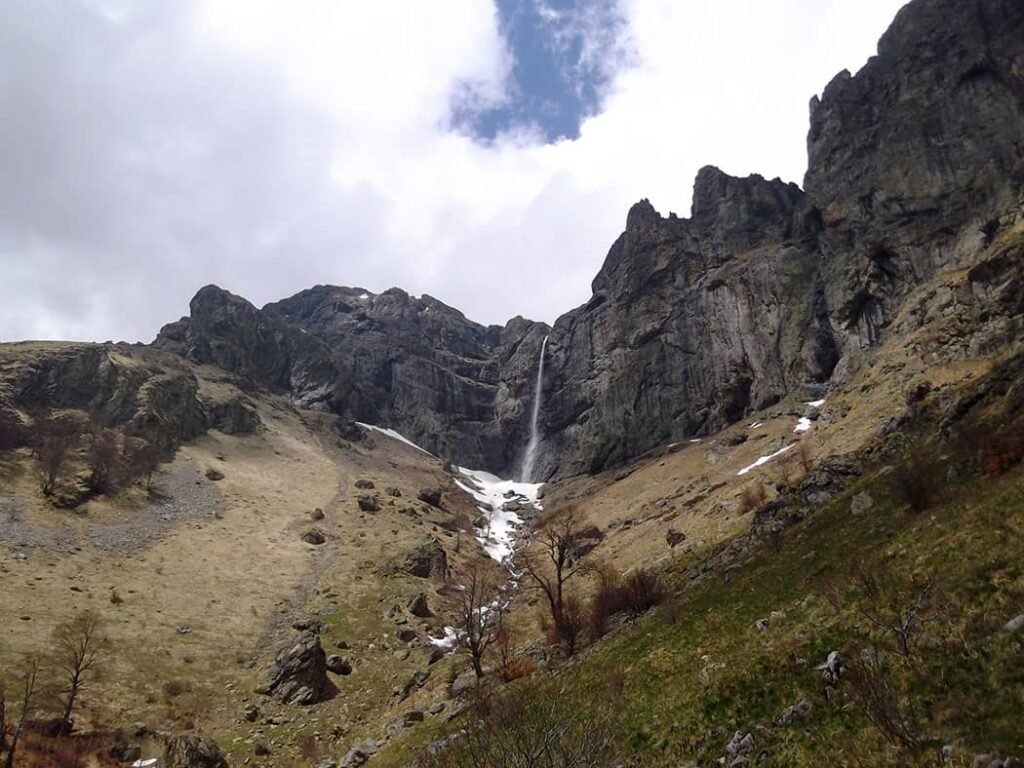
Raysko Praskalo is widely regarded as Bulgaria’s most spectacular waterfall and is the highest permanent waterfall in both Bulgaria and the Balkan Peninsula. With a breathtaking drop of 124.5 meters (408 feet), it cascades down a steep rock face beneath Botev Peak, the highest summit in the Balkan Mountains. Located within the pristine landscapes of Central Balkan National Park, the waterfall is one of the country’s most iconic natural landmarks and a dream destination for hikers, photographers, and outdoor enthusiasts.
Quick Facts
| Feature | Details |
| Height | 124.5 m (408 ft) |
| Location | Central Balkan National Park |
| Nearest Town | Kalofer |
| Mountain Range | Balkan Mountains (Stara Planina) |
| Hiking Difficulty | Moderate to Challenging |
| Best Time to Visit | May–July |
| Suitable for Families | Only experienced hikers |
Why Visit Raysko Praskalo?
Raysko Praskalo offers one of the most dramatic natural landscapes in Bulgaria. During late spring and early summer, melting snow from Botev Peak creates a powerful cascade that can be seen from great distances. The surrounding alpine scenery, rugged cliffs, and untouched forests make it one of the country’s most rewarding hiking destinations.
The waterfall is also a highlight of the famous hiking trail leading to Rai Hut, one of Bulgaria’s best-known mountain refuges. Many hikers combine a visit to the waterfall with an ascent of Botev Peak for unforgettable panoramic views over Central Balkan National Park.
Location
Raysko Praskalo is located near the town of Kalofer in Central Bulgaria, within Central Balkan National Park. Most visitors begin the hike from the Paniitsite area near Kalofer, following a well-marked mountain trail toward Rai Hut.
Hiking Information
Reaching the waterfall requires a scenic mountain hike that typically takes between 3 and 4 hours one way, depending on fitness level and trail conditions. Although the route is well maintained, it involves a steady climb through forests and alpine terrain, making sturdy hiking boots, sufficient water, and proper preparation essential.
Best Time to Visit
May through July usually offers the strongest flow as snow melts around Botev Peak. Autumn brings colorful mountain scenery, while winter should be left to hikers prepared for snow and ice.
Photography Tips
Use the surrounding cliffs to emphasize the enormous scale of the waterfall. A vertical composition works particularly well from lower viewpoints, while wider shots can include the dramatic slopes beneath Botev Peak.
Location: Raiskoto Praskalo Waterfall, Bulgaria
2. Krushuna Waterfalls
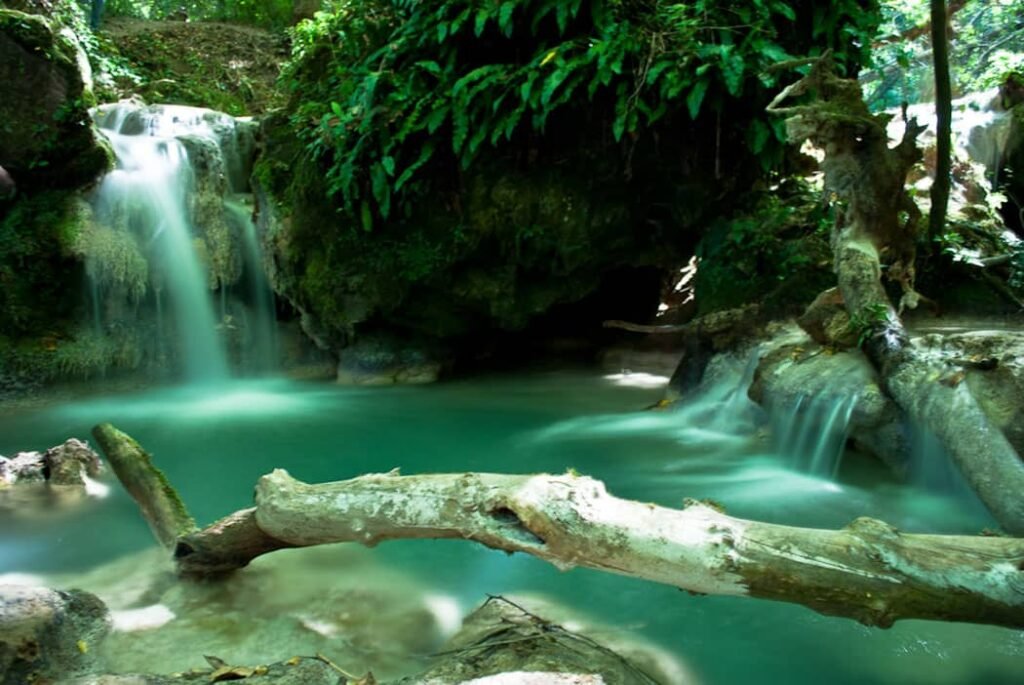
Krushuna Waterfalls are among the most beautiful and easily accessible waterfalls in Bulgaria. Famous for their striking turquoise pools, lush vegetation, and picturesque wooden boardwalks, they offer a completely different experience from the country’s dramatic mountain waterfalls. Located near the village of Krushuna in Lovech Province, this natural attraction is one of Bulgaria’s most visited waterfalls and a perfect destination for families, photographers, and nature lovers.
Quick Facts
| Feature | Details |
| Height | Approximately 20 m (66 ft) (main cascade) |
| Location | Krushuna, Lovech Province |
| Nearest Town | Letnitsa |
| Natural Area | Krushuna Karst Springs |
| Hiking Difficulty | Easy |
| Best Time to Visit | April–October |
| Suitable for Families | Yes |
Why Visit Krushuna Waterfalls?
Unlike many of Bulgaria’s waterfalls, Krushuna is renowned for its series of cascading waterfalls, emerald pools, and limestone terraces formed by mineral-rich spring water. Elevated wooden walkways and bridges allow visitors to get remarkably close to the waterfalls while protecting the fragile natural environment.
The area is ideal for visitors of all ages thanks to its well-maintained trails and peaceful atmosphere. Along the route, you’ll encounter several smaller cascades, scenic viewpoints, and tranquil pools that make the entire walk enjoyable rather than focusing on a single waterfall.
Location
Krushuna Waterfalls are located near the village of Krushuna, approximately 35 kilometers northeast of Lovech and about 180 kilometers from Sofia. The site is easily reached by car, and a designated parking area is located close to the entrance.
Hiking Information
The main eco-trail is well maintained and suitable for most visitors. The easiest route takes around 30 to 60 minutes to complete, while longer trails continue through the forest to additional waterfalls and panoramic viewpoints. Comfortable walking shoes are recommended, as sections of the boardwalk can become slippery.
Best Time to Visit
Visit in spring or early summer for stronger cascades and lush vegetation. Summer is popular and busier, while autumn brings quieter trails and warm colors to the surrounding woodland.
Photography Tips
Rather than photographing only the main cascade, use the wooden walkways, limestone terraces, and turquoise pools to create layered compositions. A polarizing filter can help control reflections on the water.
Location: Krushuna Waterfalls, Krushuna, Bulgaria
3. Hotnitsa Waterfall (Kaya Bunar Waterfall)
Hotnitsa Waterfall is one of Bulgaria’s most picturesque natural attractions, known for its emerald-green pool, scenic limestone cliffs, and well-maintained eco-trail. Located just a short drive from Veliko Tarnovo, it is a favorite destination for both locals and international visitors seeking an easy yet rewarding nature escape. The waterfall’s crystal-clear waters and peaceful surroundings make it one of the most photographed waterfalls in the country.
Quick Facts
| Feature | Details |
| Height | Approximately 30 m (98 ft) |
| Location | Hotnitsa Village, Veliko Tarnovo Province |
| Nearest City | Veliko Tarnovo |
| Natural Area | Hotnitsa Eco Trail |
| Hiking Difficulty | Easy to Moderate |
| Best Time to Visit | April–October |
| Suitable for Families | Yes |
Why Visit Hotnitsa Waterfall?
Hotnitsa Waterfall impresses visitors with its vibrant turquoise pool and beautiful natural setting. While the main waterfall is the highlight, the surrounding eco-trail follows the Bohot River through a scenic canyon featuring wooden bridges, rock formations, smaller waterfalls, and peaceful forest paths. The combination of easy access and stunning scenery makes it one of the best day trips from Veliko Tarnovo.
Adventure seekers can continue beyond the main waterfall to discover additional cascades and panoramic viewpoints, while casual visitors can simply enjoy the relaxing atmosphere near the main pool.
Location
Hotnitsa Waterfall is located near the village of Hotnitsa, approximately 20 kilometers (12 miles) northwest of Veliko Tarnovo. A parking area is available close to the start of the eco-trail, making the waterfall easily accessible by car.
Hiking Information
The waterfall can be reached within 10–15 minutes on a well-maintained path. Visitors wishing to explore the full Hotnitsa Eco Trail should allow 1.5 to 2 hours to complete the circular route, which includes several staircases, bridges, and viewing platforms.
Best Time to Visit
April through June generally brings stronger flow and greener surroundings. Autumn is also attractive when the vegetation around the Bohot River begins to change color.
Photography Tips
The classic view includes the waterfall and its distinctive pool. Try shooting from farther back to include the surrounding rock formations rather than filling the frame entirely with the cascade.
Location: Hotnitsa Waterfall, Bulgaria
4. Boyana Waterfall

Boyana Waterfall is one of the most popular waterfalls near Sofia, offering visitors a refreshing escape into nature just minutes from the Bulgarian capital. Nestled on the slopes of Vitosha Mountain, this beautiful waterfall is surrounded by dense forests, rocky cliffs, and well-marked hiking trails. Thanks to its convenient location and scenic setting, it is a favorite destination for both locals and tourists looking to experience Bulgaria’s natural beauty without traveling far from the city.
Quick Facts
| Feature | Details |
| Height | Approximately 25 m (82 ft) |
| Location | Vitosha Nature Park, Sofia |
| Nearest City | Sofia |
| Mountain Range | Vitosha Mountain |
| Hiking Difficulty | Moderate |
| Best Time to Visit | March–June |
| Suitable for Families | Yes, with older children |
Why Visit Boyana Waterfall?
Boyana Waterfall is one of the easiest ways to experience Bulgaria’s mountain landscapes while staying close to Sofia. During spring, melting snow from Vitosha Mountain creates a powerful cascade that crashes over the rocky cliff into the stream below. Even during the warmer months, the surrounding forest provides a cool and peaceful atmosphere, making it an excellent destination for a half-day hike.
Many visitors combine the waterfall with nearby attractions such as the historic Boyana Church, a UNESCO World Heritage Site, or continue hiking deeper into Vitosha Nature Park to enjoy panoramic viewpoints and mountain trails.
Location
The waterfall is located within Vitosha Nature Park, above the Boyana district of Sofia. The hike begins near Boyana Church or the Boyana residential area, both of which are easily accessible by car, taxi, or public transportation from the city center.
Hiking Information
The hike to Boyana Waterfall takes approximately 45 to 60 minutes one way, depending on your starting point and pace. The trail is well marked but includes several steeper sections with uneven terrain, so comfortable hiking shoes are recommended.
Best Time to Visit
Spring is the best choice for stronger flow, particularly after snowmelt or rainfall on Vitosha. By late summer, the waterfall can be considerably less powerful.
Photography Tips
The dense forest is part of Boyana’s character, so include trees and rocks to frame the cascade naturally. Overcast conditions can work especially well by reducing harsh contrast beneath the canopy.
Location: Boyana Waterfall, Bulgaria
5. Vrachanska Skaklya Waterfall
Vrachanska Skaklya is Bulgaria’s tallest seasonal waterfall and one of the country’s most impressive natural spectacles. Located in the dramatic cliffs of the Vratsa Balkan Nature Park, the waterfall plunges approximately 141 meters (463 feet) down a near-vertical limestone rock face. Although it flows mainly during spring and after periods of heavy rainfall, witnessing Vrachanska Skaklya at full strength is an unforgettable experience.
Quick Facts
| Feature | Details |
| Height | Approximately 141 m (463 ft) |
| Location | Vratsa Balkan Nature Park |
| Nearest City | Vratsa |
| Mountain Range | Balkan Mountains (Stara Planina) |
| Hiking Difficulty | Moderate |
| Best Time to Visit | March–May |
| Suitable for Families | Yes (lower viewpoints) |
Why Visit Vrachanska Skaklya?
Vrachanska Skaklya is famous for its spectacular height and dramatic setting beneath towering limestone cliffs. Unlike permanent waterfalls, its flow depends on snowmelt and rainfall, making spring the ideal season to experience its full power. The surrounding landscape is equally impressive, featuring rugged mountain scenery, scenic hiking trails, and panoramic viewpoints overlooking the city of Vratsa.
The waterfall is also one of the highlights of Vratsa Balkan Nature Park, a protected area known for its rich biodiversity, rock climbing routes, and excellent hiking opportunities.
Location
The waterfall is located just outside the city of Vratsa in northwestern Bulgaria. It can be viewed from several easily accessible viewpoints, while hikers can explore nearby trails leading deeper into the nature park.
Hiking Information
Several hiking routes pass through Vratsa Balkan Nature Park, ranging from easy walks to more demanding mountain trails. Visitors can enjoy excellent views of the waterfall without completing a long hike, while experienced hikers can combine their visit with nearby peaks, caves, and scenic viewpoints.
Best Time to Visit
Timing matters here more than at most Bulgarian waterfalls. Visit during spring or shortly after substantial rainfall, as Vrachanska Skaklya can become very weak or disappear during prolonged dry weather.
Photography Tips
Photograph from farther away to show the waterfall against the enormous limestone cliffs above Vratsa. Its height is much easier to appreciate when the surrounding rock face remains in the frame.
Location: Vrachanska Skaklya Waterfall, Bulgaria
6. Bovska Skaklya Waterfall

Bovska Skaklya Waterfall is one of the most scenic waterfalls in the Iskar Gorge, where water tumbles down a dramatic rock face above the village of Bov. Surrounded by steep cliffs, forests, and panoramic mountain scenery, the waterfall is a popular destination for hikers exploring this beautiful part of the Balkan Mountains. Its proximity to Sofia and connection with the famous Vazov Eco Trail make it an excellent choice for a day trip from the capital.
Quick Facts
| Feature | Details |
|---|---|
| Height | Approximately 85 m (279 ft) |
| Location | Bov and Zasele, Sofia Province |
| Nearest Village | Bov |
| Mountain Range | Balkan Mountains (Stara Planina) |
| Hiking Difficulty | Easy to Moderate |
| Best Time to Visit | April–June |
| Suitable for Families | Yes, with older children |
Why Visit Bovska Skaklya Waterfall?
Bovska Skaklya is particularly impressive because of its setting within the rugged Iskar Gorge. Rather than being hidden deep within a forest, the waterfall descends from a high rocky escarpment, allowing hikers to appreciate both the cascade and the expansive surrounding landscape.
One of the biggest reasons to visit is the Vazov Eco Trail, which passes through the area between Bov and Zasele. The route combines waterfall views with steep cliffs, forest paths, rocky formations, and panoramic viewpoints over the Iskar Gorge.
The waterfall is seasonal, so its appearance can change dramatically throughout the year. During spring or following substantial rainfall, the cascade is much more impressive, while during prolonged dry periods its flow can become significantly weaker.
Location
Bovska Skaklya Waterfall is located in the Iskar Gorge, between the villages of Bov and Zasele, approximately 50 kilometers (31 miles) north of Sofia.
The waterfall can be approached as part of the Vazov Eco Trail, with routes available from both the Bov and Zasele sides. Its relatively convenient location makes it one of the better waterfall hikes for travelers staying in Sofia.
Hiking Information
The Vazov Eco Trail is the classic way to explore Bovska Skaklya. The trail climbs through the gorge and provides several opportunities to admire the waterfall and surrounding cliffs from different perspectives.
Depending on the starting point and how much of the trail you explore, allow approximately 1.5 to 3 hours for the hike. Some sections are steep and can become slippery after rain, so hiking shoes with good traction are recommended.
Best Time to Visit
Aim for April through June or a period following good rainfall. Because Bovska Skaklya is seasonal, flow can decrease significantly after a dry summer.
Photography Tips
The best compositions show both the waterfall and the Iskar Gorge. Viewpoints along the Vazov Eco Trail provide several angles, including excellent vertical compositions that emphasize the height of the rock face.
Location: Bovska Skaklya Waterfall, Bulgaria
7. Borov Kamak Waterfall
Borov Kamak Waterfall is one of the hidden gems of Vratsa Balkan Nature Park, offering visitors a spectacular combination of towering cliffs, dense beech forests, and crystal-clear mountain streams. Cascading approximately 63 meters (207 feet) down a rugged rock face, it is among the tallest permanent waterfalls in northwestern Bulgaria and a favorite destination for hikers seeking unspoiled natural beauty.
Quick Facts
| Feature | Details |
| Height | Approximately 63 m (207 ft) |
| Location | Vratsa Balkan Nature Park |
| Nearest City | Vratsa |
| Mountain Range | Balkan Mountains (Stara Planina) |
| Hiking Difficulty | Moderate |
| Best Time to Visit | April–June |
| Suitable for Families | Older children with hiking experience |
Why Visit Borov Kamak Waterfall?
Borov Kamak is one of Bulgaria’s most rewarding waterfall hikes. The journey to the waterfall is just as memorable as the destination itself, with wooden bridges, staircases, scenic viewpoints, and forest trails leading visitors through one of the country’s most beautiful protected areas.
Unlike some of Bulgaria’s more crowded waterfalls, Borov Kamak offers a quieter experience where visitors can enjoy the sounds of rushing water and birdsong surrounded by pristine mountain scenery. The dramatic limestone cliffs and lush vegetation make it a paradise for photographers and nature lovers.
Location
Borov Kamak Waterfall is located within Vratsa Balkan Nature Park, about 15 kilometers (9 miles) from the city of Vratsa in northwestern Bulgaria. The trail begins near the village of Zgorigrad, where parking is available.
Hiking Information
The hike to the waterfall takes approximately 1.5 to 2 hours round trip. The well-marked eco-trail includes wooden staircases, bridges, and some steeper sections, making it suitable for visitors with a moderate level of fitness. Sturdy hiking shoes are recommended.
Best Time to Visit
Spring into early summer generally provides stronger flow. Autumn is another rewarding time for the hike, when the beech forests around the gorge turn gold and orange.
Photography Tips
Use the gorge, wooden bridges, or trail features as foreground elements rather than photographing only the cascade. The enclosed setting works particularly well for compositions that lead the eye toward the waterfall.
Location: Borov Kamak Waterfall, Bulgaria
8. Dokuzak Waterfall
Hidden within the lush forests of Strandzha Nature Park, Dokuzak Waterfall is one of southeastern Bulgaria’s best-kept secrets. Surrounded by ancient oak and beech trees, this peaceful waterfall offers visitors a completely different landscape from the country’s alpine waterfalls. Its tranquil atmosphere, rich biodiversity, and scenic hiking trails make it an excellent destination for travelers looking to explore Bulgaria beyond the well-known tourist routes.
Quick Facts
| Feature | Details |
| Height | Approximately 15 m (49 ft) |
| Location | Strandzha Nature Park |
| Nearest Town | Malko Tarnovo |
| Mountain Range | Strandzha Mountains |
| Hiking Difficulty | Easy to Moderate |
| Best Time to Visit | March–June |
| Suitable for Families | Yes |
Why Visit Dokuzak Waterfall?
Dokuzak Waterfall is valued less for its height and more for its untouched natural surroundings. Located in one of Bulgaria’s most biodiverse regions, the waterfall is surrounded by dense forests, rare plant species, and quiet walking trails that offer a true escape into nature. The peaceful setting makes it an ideal stop for birdwatchers, photographers, and anyone looking to experience the wild beauty of Strandzha Mountain.
Unlike some of Bulgaria’s more famous waterfalls, Dokuzak remains relatively uncrowded throughout the year, allowing visitors to enjoy the scenery without large tourist groups.
Location
Dokuzak Waterfall is located within Strandzha Nature Park, near the town of Malko Tarnovo in southeastern Bulgaria. The waterfall can be reached via a marked forest trail, and the surrounding area offers several additional hiking routes through one of Bulgaria’s oldest mountain ranges.
Hiking Information
The trail to Dokuzak Waterfall is relatively easy and takes approximately 30 to 45 minutes each way. The path passes through shaded woodland and follows a small mountain stream, making it suitable for most visitors with basic fitness.
Best Time to Visit
Visit during spring, when rainfall typically gives this small waterfall more character and Strandzha’s forest vegetation is particularly lush.
Photography Tips
Dokuzak is more about its woodland setting than sheer height. Include the stream, rocks, and surrounding vegetation to capture the atmosphere of the Strandzha forest.
Location: Dokuzak Waterfall, Bulgaria
9. Suchurum Waterfall
Located on the outskirts of the historic town of Karlovo, Suchurum Waterfall is one of the most accessible waterfalls in central Bulgaria. Flowing from the southern slopes of the Balkan Mountains, the waterfall drops approximately 15 meters (49 feet) into a picturesque rocky basin surrounded by lush vegetation. Its convenient location and scenic setting make it a popular stop for visitors exploring the Valley of the Roses.
Quick Facts
| Feature | Details |
| Height | Approximately 15 m (49 ft) |
| Location | Karlovo, Plovdiv Province |
| Nearest Town | Karlovo |
| Mountain Range | Balkan Mountains (Stara Planina) |
| Hiking Difficulty | Easy |
| Best Time to Visit | April–June |
| Suitable for Families | Yes |
Why Visit Suchurum Waterfall?
Suchurum Waterfall is a perfect destination for travelers looking for a beautiful natural attraction without a long hike. The waterfall is easily reached via a short walking path through a shaded park, making it ideal for families, casual walkers, and anyone visiting Karlovo.
The peaceful surroundings and constant flow of water create a relaxing atmosphere, while nearby benches and viewpoints provide excellent places to enjoy the scenery. Because of its location, Suchurum is often combined with visits to Karlovo’s historic center, museums, and cultural landmarks.
Location
The waterfall is located at the northern edge of Karlovo, approximately 60 kilometers (37 miles) north of Plovdiv. A well-maintained pedestrian path connects the town center with the waterfall, allowing visitors to reach it in just a few minutes.
Hiking Information
Reaching Suchurum Waterfall requires only a 10 to 15-minute walk on a paved and well-maintained trail. The route is suitable for visitors of all ages and requires no special hiking equipment.
Best Time to Visit
Spring usually brings stronger flow from the Balkan Mountains. Summer remains convenient because of Suchurum’s easy access and shaded setting near Karlovo.
Photography Tips
The established viewing area provides an easy composition of the cascade framed by greenery. After rain or during stronger spring flow, a slower shutter speed can emphasize the movement of the water.
Location: Suchurum Waterfall, Bulgaria
10. Polska Skakavitsa Waterfall
Polska Skakavitsa Waterfall is one of Bulgaria’s most picturesque hidden treasures, tucked away in the tranquil Osogovo Mountains near the village of Polska Skakavitsa. Cascading approximately 52 meters (171 feet) over a dramatic limestone cliff, the waterfall is surrounded by dense forests, wildflowers, and breathtaking views of the surrounding countryside. Although it is less visited than some of Bulgaria’s famous waterfalls, its peaceful setting makes it a rewarding destination for hikers and nature lovers.
Quick Facts
| Feature | Details |
| Height | Approximately 52 m (171 ft) |
| Location | Kyustendil Province |
| Nearest Town | Kyustendil |
| Mountain Range | Osogovo Mountains |
| Hiking Difficulty | Easy to Moderate |
| Best Time to Visit | April–June |
| Suitable for Families | Yes |
Why Visit Polska Skakavitsa Waterfall?
Polska Skakavitsa is known for its impressive vertical drop and beautiful natural surroundings. Unlike many waterfalls that can only be admired from the front, visitors can carefully walk behind parts of the cascading water when conditions are safe, offering a unique perspective and fantastic photo opportunities.
The trail passes through peaceful forests and open meadows, making the journey as enjoyable as the destination itself. Thanks to its relatively quiet location, visitors can often experience the waterfall without the crowds found at more popular attractions.
Location
The waterfall is located near the village of Polska Skakavitsa in western Bulgaria, approximately 25 kilometers (16 miles) northeast of Kyustendil. The starting point for the hiking trail is easily accessible by car.
Hiking Information
The hike to the waterfall takes approximately 30 to 45 minutes each way on a marked forest trail. The route is generally suitable for most visitors, although sturdy footwear is recommended, especially after rain when parts of the trail may become slippery.
Best Time to Visit
April through June is generally the best period for stronger flow. Autumn offers a completely different experience as the surrounding woodland changes color.
Photography Tips
Its limestone setting offers more unusual compositions than many forest waterfalls. Where access is permitted and conditions are safe, experiment with viewpoints that show the rock formations around and behind the falling water.
Location: Polska Skakavitsa Waterfall, Bulgaria
11. Vidimsko Praskalo
Vidimsko Praskalo is one of Bulgaria’s tallest and most impressive permanent waterfalls, hidden within the spectacular landscapes of Central Balkan National Park. With a height of approximately 80 meters (262 feet), it plunges down steep cliffs surrounded by ancient beech forests and rugged mountain scenery. Although reaching the waterfall requires a rewarding hike, visitors are treated to one of the country’s most peaceful and unspoiled natural destinations.
Quick Facts
| Feature | Details |
| Height | Approximately 80 m (262 ft) |
| Location | Central Balkan National Park |
| Nearest Village | Apriltsi (Vidima) |
| Mountain Range | Balkan Mountains (Stara Planina) |
| Hiking Difficulty | Moderate |
| Best Time to Visit | May–July |
| Suitable for Families | Older children with hiking experience |
Why Visit Vidimsko Praskalo?
Vidimsko Praskalo is a paradise for hikers and nature enthusiasts seeking a quieter alternative to Bulgaria’s more famous waterfalls. The trail follows crystal-clear mountain streams through centuries-old forests before revealing the impressive cascade tumbling down the cliffs beneath Mount Botev.
Because of its location within one of Bulgaria’s most important protected areas, the waterfall is surrounded by exceptional biodiversity, making it an excellent destination for birdwatching, wildlife observation, and landscape photography. The peaceful atmosphere and untouched wilderness create an unforgettable mountain experience.
Location
The waterfall is located above the village of Vidima, near Apriltsi, within Central Balkan National Park in central Bulgaria. Most visitors begin their hike from the village, following well-marked trails into the national park.
Hiking Information
The hike to Vidimsko Praskalo takes approximately 2.5 to 3 hours one way, depending on your pace. The trail is well maintained but includes a steady climb through mountain terrain, so good hiking footwear, water, and appropriate outdoor clothing are recommended.
Best Time to Visit
Visit from May through early summer for stronger flow and good mountain hiking conditions. Autumn is quieter and brings beautiful color to the forests around Apriltsi.
Photography Tips
Use distant viewpoints to show the waterfall dropping through the mountain landscape rather than trying to isolate the cascade. Including the surrounding forest helps communicate its scale and remote setting.
Location: Vidimsko Praskalo waterfall, Bulgaria
12. Kademliya Waterfall
Kademliya Waterfall is one of the tallest and most spectacular waterfalls in Central Balkan National Park. Hidden within the untouched landscapes of the Tazha Reserve, this impressive cascade plunges approximately 72 meters (236 feet) down a sheer rock face, creating one of Bulgaria’s most rewarding destinations for experienced hikers. Surrounded by dense forests, alpine meadows, and rugged mountain peaks, Kademliya offers a true wilderness experience far from the crowds.
Quick Facts
| Feature | Details |
| Height | Approximately 72 m (236 ft) |
| Location | Central Balkan National Park, Tazha Reserve |
| Nearest Town | Pavel Banya |
| Mountain Range | Balkan Mountains (Stara Planina) |
| Hiking Difficulty | Moderate to Challenging |
| Best Time to Visit | May–July |
| Suitable for Families | No, recommended for experienced hikers |
Why Visit Kademliya Waterfall?
Kademliya Waterfall is one of Bulgaria’s hidden natural treasures. Unlike the country’s more accessible waterfalls, reaching Kademliya requires a longer hike through one of the best-preserved wilderness areas in the Balkans. The reward is a breathtaking waterfall surrounded by pristine forests, towering cliffs, and peaceful mountain scenery rarely disturbed by large numbers of visitors.
The trail passes through the protected Tazha Reserve, an area known for its ancient beech forests, diverse wildlife, and exceptional biodiversity. Visitors may spot golden eagles, deer, and a variety of native plant species while hiking through this remarkable landscape.
Location
Kademliya Waterfall is located within the Tazha Reserve in Central Balkan National Park, near the town of Pavel Banya in central Bulgaria. The hike begins from the Tazha area, where marked trails lead into the reserve.
Hiking Information
The hike to Kademliya Waterfall typically takes 3 to 4 hours one way, depending on the chosen route and hiking pace. The trail includes forest paths, moderate elevation gain, and several mountain streams. Good hiking boots, plenty of water, and appropriate outdoor clothing are strongly recommended.
Best Time to Visit
Late spring through early summer is the most reliable period for stronger flow and practical hiking conditions in the Central Balkan Mountains.
Photography Tips
Keep some of the rugged mountain terrain in the frame to communicate Kademliya’s remote character. Wider compositions work better here than tightly cropping the falling water.
Location: Kademliya Waterfall, Bulgaria
13. Slivodolsko Padalo
Slivodolsko Padalo is one of the most spectacular waterfalls in the Rhodope Mountains, captivating visitors with its dramatic 50-meter (164-foot) cascade, towering cliffs, and pristine forest surroundings. Located within the Western Rhodope Mountains near the village of Bachkovo, this picturesque waterfall is a favorite destination for hikers, photographers, and anyone seeking a peaceful escape into nature.
Quick Facts
| Feature | Details |
| Height | Approximately 50 m (164 ft) |
| Location | Western Rhodope Mountains |
| Nearest Village | Bachkovo |
| Mountain Range | Rhodope Mountains |
| Hiking Difficulty | Moderate |
| Best Time to Visit | April–June |
| Suitable for Families | Older children with hiking experience |
Why Visit Slivodolsko Padalo?
Slivodolsko Padalo offers one of the most scenic waterfall hikes in southern Bulgaria. The well-marked eco-trail winds through dense forests, crosses wooden bridges, and follows the Slivodol River before reaching the impressive waterfall hidden beneath steep limestone cliffs.
Along the route, visitors encounter several smaller cascades, crystal-clear mountain streams, and scenic viewpoints, making the hike enjoyable from start to finish. The peaceful atmosphere and rich natural surroundings provide an authentic wilderness experience away from the country’s busiest tourist attractions.
Location
The waterfall is located near the village of Bachkovo, approximately 30 kilometers (19 miles) south of Plovdiv. The hiking trail begins close to the famous Bachkovo Monastery, allowing visitors to combine two of the region’s most popular attractions in a single day.
Hiking Information
The hike to Slivodolsko Padalo takes approximately 1 to 1.5 hours each way along a well-maintained eco-trail. The route includes some rocky sections and moderate elevation gain, so sturdy hiking shoes are recommended.
Best Time to Visit
Spring generally produces the strongest flow, while autumn is particularly attractive along the forested trail as the leaves change around the river and gorge.
Photography Tips
The narrow forest setting works well for vertical compositions. Rocks and vegetation along the stream can also be used as foreground elements to add depth.
Location: Slivodolsko Padalo Waterfall, Bulgaria
14. Popinolashki Waterfall
Popinolashki Waterfall is one of the most beautiful natural attractions in the Pirin Mountains, renowned for its crystal-clear mountain waters, tranquil forest setting, and easy accessibility. Fed by the Popina Laka River, the waterfall tumbles approximately 12 meters (39 feet) over moss-covered rocks, creating a peaceful oasis surrounded by centuries-old pine and beech forests. It is a popular stop for visitors exploring Pirin National Park and the nearby town of Sandanski.
Quick Facts
| Feature | Details |
| Height | Approximately 12 m (39 ft) |
| Location | Pirin Mountains |
| Nearest Town | Sandanski |
| Mountain Range | Pirin Mountains |
| Hiking Difficulty | Easy |
| Best Time to Visit | April–October |
| Suitable for Families | Yes |
Why Visit Popinolashki Waterfall?
Popinolashki Waterfall is the perfect destination for travelers seeking a relaxing nature walk without a demanding hike. The waterfall is surrounded by lush mountain forests, fresh alpine air, and the soothing sounds of flowing water, making it an ideal place for picnics, photography, and short outdoor adventures.
Its location near Sandanski also makes it easy to combine with visits to Pirin National Park, hiking trails, mineral springs, and local wineries, making it one of southwestern Bulgaria’s most enjoyable natural attractions.
Location
Popinolashki Waterfall is located about 18 kilometers (11 miles) northeast of Sandanski, along the scenic road leading toward the Popina Laka area in the Pirin Mountains. Parking is available near the trailhead.
Hiking Information
The waterfall is reached via a short and well-maintained forest path that takes approximately 10 to 20 minutes to walk. The trail is suitable for visitors of all ages and requires only comfortable walking shoes.
Best Time to Visit
Visit in spring or early summer for stronger water flow. During summer, its forested setting near Sandanski provides a cooler escape from the heat at lower elevations.
Photography Tips
This is a smaller waterfall, so concentrate on the relationship between the cascade, rocks, and surrounding pine forest rather than trying to exaggerate its scale.
Location: Popinolashki Waterfall, Bulgaria
15. Skakavitsa Waterfall

Skakavitsa Waterfall is one of the most beautiful waterfalls in the Rila Mountains, captivating visitors with its graceful 70-meter (230-foot) cascade and breathtaking alpine scenery. Located within Rila National Park, this spectacular waterfall is surrounded by dense pine forests, crystal-clear mountain streams, and scenic hiking trails. Its peaceful setting and impressive height make it one of the highlights of northwestern Rila and a favorite destination for hikers and photographers.
Quick Facts
| Feature | Details |
| Height | Approximately 70 m (230 ft) |
| Location | Rila National Park |
| Nearest Town | Sapareva Banya |
| Mountain Range | Rila Mountains |
| Hiking Difficulty | Moderate |
| Best Time to Visit | May–July |
| Suitable for Families | Older children with hiking experience |
Why Visit Skakavitsa Waterfall?
Skakavitsa Waterfall is renowned for its beautiful natural surroundings and rewarding hiking experience. The trail passes through fragrant pine forests and open mountain meadows before reaching the impressive waterfall as it plunges over a rocky cliff into the valley below.
Many visitors combine the hike with nearby attractions such as the Seven Rila Lakes, making it an excellent addition to a day or weekend exploring one of Bulgaria’s most famous mountain regions. During winter, the waterfall often freezes into a spectacular wall of ice, attracting experienced ice climbers and photographers.
Location
The waterfall is located in Rila National Park, near the popular spa town of Sapareva Banya in southwestern Bulgaria. Most hikers begin their journey from the Zeleni Preslap area or nearby mountain trails leading into the park.
Hiking Information
The hike to Skakavitsa Waterfall takes approximately 1.5 to 2 hours each way on a well-marked mountain trail. The route includes moderate elevation gain and passes through scenic forests and alpine landscapes. Good hiking footwear and water are recommended.
Best Time to Visit
Late spring and early summer combine stronger flow with accessible mountain conditions. Autumn foliage and winter ice make Skakavitsa particularly interesting outside the main hiking season, although winter requires appropriate experience and equipment.
Photography Tips
The rocky cliff creates a strong natural frame for the cascade. In winter, ice formations completely change the scene and can produce some of the most distinctive waterfall photographs in Bulgaria.
Location: Rilska Skakavitsa Waterfall, Bulgaria
16. Momin Skok Waterfall
Momin Skok Waterfall is a charming natural attraction located within the scenic Emen Canyon in central Bulgaria. Surrounded by limestone cliffs, lush forests, and the crystal-clear waters of the Negovanka River, this picturesque waterfall is a highlight of the famous Emen Eco Trail. Its peaceful atmosphere and easy accessibility make it a wonderful destination for families, hikers, and photographers exploring the Veliko Tarnovo region.
Quick Facts
| Feature | Details |
| Height | Approximately 10 m (33 ft) |
| Location | Emen Canyon, Veliko Tarnovo Province |
| Nearest Village | Emen |
| Natural Area | Emen Eco Trail |
| Hiking Difficulty | Easy |
| Best Time to Visit | April–October |
| Suitable for Families | Yes |
Why Visit Momin Skok Waterfall?
Although not among Bulgaria’s tallest waterfalls, Momin Skok is celebrated for its beautiful setting within one of the country’s most scenic river canyons. The waterfall flows into a tranquil emerald pool surrounded by dramatic limestone cliffs, creating a peaceful retreat in the heart of nature.
The waterfall is part of the popular Emen Eco Trail, which features wooden bridges, panoramic viewpoints, caves, and impressive rock formations. Visitors can easily combine the waterfall with a relaxing walk through the canyon, making it one of the best day trips from Veliko Tarnovo.
Location
Momin Skok Waterfall is located near the village of Emen, approximately 20 kilometers (12 miles) west of Veliko Tarnovo. A parking area is available near the start of the eco-trail, providing convenient access to the waterfall.
Hiking Information
The waterfall can be reached in approximately 20 to 30 minutes along a well-maintained eco-trail suitable for most visitors. The route includes wooden walkways, gentle slopes, and several scenic viewpoints overlooking Emen Canyon.
Best Time to Visit
Spring and periods following rainfall offer the best chance of stronger flow. Autumn is excellent if your main reason for visiting is hiking through Emen Canyon rather than seeing the waterfall at maximum volume.
Photography Tips
Include the limestone walls of Emen Canyon whenever possible. They give Momin Skok a stronger sense of place and make the composition much more distinctive than a close-up of the water alone.
Location: Momin Skok Waterfall, Bulgaria
17. Goritsa Waterfall
Goritsa Waterfall is one of the most beautiful waterfalls in the Rila Mountains, offering visitors a peaceful retreat surrounded by dense forests and pristine mountain scenery. Located near the village of Ovchartsi, close to the popular spa town of Sapareva Banya, the waterfall plunges approximately 39 meters (128 feet) over a rocky cliff before continuing through a picturesque mountain stream. Its easy accessibility and scenic location make it a favorite destination for families and nature lovers.
Quick Facts
| Feature | Details |
| Height | Approximately 39 m (128 ft) |
| Location | Ovchartsi, Kyustendil Province |
| Nearest Town | Sapareva Banya |
| Mountain Range | Rila Mountains |
| Hiking Difficulty | Easy |
| Best Time to Visit | April–October |
| Suitable for Families | Yes |
Why Visit Goritsa Waterfall?
Goritsa Waterfall combines beautiful mountain scenery with an easy and enjoyable hiking experience. The waterfall is surrounded by centuries-old pine forests, fresh mountain air, and scenic picnic areas, making it a perfect destination for visitors of all ages.
Many travelers combine a visit to Goritsa Waterfall with nearby attractions such as the Seven Rila Lakes, the Rila Monastery, or the famous hot mineral springs of Sapareva Banya, creating an unforgettable day of sightseeing and outdoor adventure.
Location
The waterfall is located above the village of Ovchartsi, approximately 8 kilometers (5 miles) from Sapareva Banya in southwestern Bulgaria. Visitors can park near the trailhead before following a well-marked path to the waterfall.
Hiking Information
The hike to Goritsa Waterfall takes approximately 20 to 30 minutes each way along a pleasant forest trail. The route is suitable for most visitors and includes only gentle elevation gain, making it ideal for families and casual hikers.
Best Time to Visit
Spring usually provides stronger flow, while summer works well for an easy outing around Ovchartsi and Sapareva Banya. Autumn brings attractive color to the surrounding vegetation.
Photography Tips
The lower viewing area gives a good perspective on the cascade and rocky surroundings. Try both vertical shots of the waterfall and wider compositions that include the forest.
Location: Goritsa Waterfall, Bulgaria
18. Samodivsko Praskalo
Samodivsko Praskalo Waterfall is one of the tallest and most impressive waterfalls in the Rhodope Mountains, dropping approximately 70 meters (230 ft) through a steep forested gorge near the town of Devin. Also known locally as Stroilski Dol Waterfall, it is reached from the scenic Struilitsa–Kaleto–Lakata Eco Trail along the Devin River.
Unlike the waterfalls along the Canyon of Waterfalls near Smolyan, Samodivsko Praskalo belongs to the Devin area of the western Rhodopes. Its combination of dramatic height, forest scenery, and a pleasant riverside approach makes it one of the region’s most rewarding natural attractions.
Quick Facts
| Feature | Details |
|---|---|
| Height | Approximately 70 m (230 ft) |
| Location | Near Devin |
| Nearest Town | Devin |
| Mountain Range | Rhodope Mountains |
| Hiking Difficulty | Easy to Moderate |
| Best Time to Visit | Spring–Early Summer |
| Suitable for Families | Yes, depending on trail conditions |
Why Visit Samodivsko Praskalo?
The waterfall’s 70-meter drop makes it one of the tallest waterfalls in the Rhodopes. Water descends over the rocky slope in two main stages, surrounded by dense forest that gives the site a secluded feel despite its proximity to Devin.
Another highlight is the journey itself. The wider Struilitsa–Kaleto–Lakata route follows the Devin River, passing scenic bridges, forest, river pools, and picnic areas. Visitors can combine the waterfall with a longer walk through the Devin River gorge or continue toward other points along the eco-trail.
Location
Samodivsko Praskalo is located a few kilometers from Devin in the western Rhodope Mountains. The usual starting point is the Struilitsa area, where the eco-trail follows the Devin River before a signed side path branches toward the waterfall.
Hiking Information
The main eco-trail is relatively gentle, but the short branch leading directly to Samodivsko Praskalo is steeper. From the junction near the shelter and small building, the walk to the waterfall takes approximately 15 minutes each way.
Allow considerably more time if you plan to explore the full Struilitsa–Kaleto–Lakata Eco Trail rather than visiting only the waterfall.
Best Time to Visit
Spring and early summer are the best times to see Samodivsko Praskalo with stronger water flow. During prolonged dry periods, particularly later in summer, the waterfall can become significantly weaker.
Photography Tips
The waterfall’s height makes a vertical composition especially effective. Include some of the surrounding forest and rock face to emphasize its scale, and protect your camera or phone from spray near the base.
Location: Samodivsko Praskalo Waterfall, Bulgaria
19. Karlovsko Praskalo
Karlovsko Praskalo is one of the highest and most impressive waterfalls in the Balkan Mountains (Stara Planina). Hidden within the breathtaking landscapes of Central Balkan National Park, this magnificent waterfall plunges approximately 54 meters (177 feet) down a steep rocky cliff surrounded by dense forests and alpine meadows. Its remote location and spectacular scenery make it a rewarding destination for experienced hikers and nature enthusiasts.
Quick Facts
| Feature | Details |
| Height | Approximately 54 m (177 ft) |
| Location | Central Balkan National Park |
| Nearest Town | Karlovo |
| Mountain Range | Balkan Mountains (Stara Planina) |
| Hiking Difficulty | Moderate to Challenging |
| Best Time to Visit | May–July |
| Suitable for Families | Older children with hiking experience |
Why Visit Karlovsko Praskalo?
Karlovsko Praskalo is one of Central Bulgaria’s hidden natural treasures. Unlike the country’s more accessible waterfalls, reaching this impressive cascade requires a scenic mountain hike through forests, rivers, and open meadows. The journey rewards visitors with pristine landscapes, fresh mountain air, and one of the most beautiful waterfalls in the Balkan Mountains.
The waterfall is also located within Central Balkan National Park, one of Bulgaria’s most important protected areas. Visitors can enjoy exceptional biodiversity, panoramic mountain views, and peaceful surroundings far from busy tourist destinations.
Location
Karlovsko Praskalo is situated above the town of Karlovo in Central Balkan National Park. Most hikers begin their journey from the Hubavets Hut area or nearby mountain trails leading toward the higher elevations of the park.
Hiking Information
The hike to Karlovsko Praskalo generally takes 3 to 4 hours one way, depending on the chosen route and hiking pace. The trail includes forest paths, rocky sections, and moderate elevation gain, making sturdy hiking boots and sufficient water essential.
Best Time to Visit
Visit in late spring or early summer, when snowmelt from the Central Balkan Mountains feeds a stronger cascade. Later in summer, flow can become less impressive.
Photography Tips
Photograph from below to emphasize the steep rock face above the waterfall. Including some of the surrounding mountain terrain gives a much better sense of scale.
Location: Karlovsko Praskalo Waterfall, Bulgaria
20. Fotinski Waterfalls
The Fotinski Waterfalls are among the hidden gems of the Western Rhodope Mountains, offering visitors a peaceful escape into one of Bulgaria’s most beautiful forest landscapes. Located near the village of Fotinovo, this series of three picturesque waterfalls is surrounded by towering pine forests, moss-covered rocks, and crystal-clear mountain streams. Their secluded location and untouched natural beauty make them a favorite destination for hikers seeking a quieter alternative to Bulgaria’s more popular waterfalls.
Quick Facts
| Feature | Details |
| Height | Up to approximately 16 m (52 ft) |
| Location | Fotinovo, Pazardzhik Province |
| Nearest Town | Batak |
| Mountain Range | Western Rhodope Mountains |
| Hiking Difficulty | Easy to Moderate |
| Best Time to Visit | April–October |
| Suitable for Families | Yes |
Why Visit the Fotinski Waterfalls?
Unlike a single large cascade, the Fotinski Waterfalls consist of three beautiful waterfalls connected by a scenic forest trail. Each waterfall has its own unique character, with clear pools, rocky cliffs, and lush vegetation creating a peaceful atmosphere throughout the hike.
Because the area remains relatively undiscovered by international tourists, visitors can often enjoy the waterfalls in complete tranquility. The combination of fresh mountain air, birdsong, and flowing water makes this one of the most relaxing nature destinations in the Rhodope Mountains.
Location
The waterfalls are located near the village of Fotinovo, approximately 25 kilometers (16 miles) southwest of Batak in the Western Rhodope Mountains. The trailhead is accessible by car, with parking available nearby.
Hiking Information
The hiking trail to the waterfalls is well marked and takes approximately 45 to 60 minutes to complete. The route follows shaded forest paths with only moderate elevation changes, making it suitable for most visitors with basic fitness.
Best Time to Visit
Spring brings stronger cascades, while summer keeps the forest trail pleasantly shaded. Autumn is particularly photogenic when the woodland around Fotinovo begins to change color.
Photography Tips
Because there are three waterfalls, vary your compositions rather than photographing each one identically. Use rocks, streams, and forest vegetation to distinguish the different cascades.
Location: Fotinski Waterfalls, Bulgaria
21. Varovitets Waterfall

Varovitets Waterfall is a beautiful hidden gem nestled in the Balkan Mountains near the historic Etropole Monastery. Cascading gracefully over limestone rocks into a crystal-clear stream, the waterfall is surrounded by dense forests, wooden bridges, and a peaceful eco-trail that makes it one of the most enjoyable short hikes in western Bulgaria. Its combination of natural beauty and cultural heritage makes it a popular destination for families, hikers, and visitors exploring the Etropole region.
Quick Facts
| Feature | Details |
| Height | Approximately 15 m (49 ft) |
| Location | Etropole, Sofia Province |
| Nearest Town | Etropole |
| Mountain Range | Balkan Mountains (Stara Planina) |
| Hiking Difficulty | Easy |
| Best Time to Visit | April–October |
| Suitable for Families | Yes |
Why Visit Varovitets Waterfall?
Varovitets Waterfall offers visitors a relaxing nature experience just a short walk from the famous Etropole Monastery, one of Bulgaria’s oldest Orthodox monasteries. The surrounding eco-trail winds through shady forests alongside a mountain stream, crossing charming wooden bridges before reaching the picturesque waterfall.
The combination of history, culture, and nature makes this one of the best day trips in western Bulgaria. Visitors can enjoy the monastery, explore the scenic hiking trail, and experience the peaceful atmosphere that has attracted pilgrims and travelers for centuries.
Location
Varovitets Waterfall is located approximately 5 kilometers (3 miles) from the town of Etropole in western Bulgaria. The hiking trail begins near Etropole Monastery, where parking is available for visitors.
Hiking Information
The waterfall is reached via the popular Varovitets Eco Trail, which takes approximately 20 to 30 minutes each way. The route is well maintained and suitable for visitors of all ages, with gentle inclines and several scenic viewpoints along the way.
Best Time to Visit
Spring is a particularly good time to visit, when rainfall and snowmelt increase the flow. The shaded forest around Etropole Monastery also makes this an enjoyable stop during warmer months.
Photography Tips
Use the surrounding rocks and forest to frame the cascade. Its location near Etropole Monastery also makes it worth capturing both the natural and cultural sides of the visit rather than focusing only on the waterfall.
Location: Varovitets Waterfall, Bulgaria
22. Skok Waterfall
Skok Waterfall is one of the most picturesque natural attractions near the town of Teteven, nestled in the heart of the Balkan Mountains (Stara Planina). Surrounded by dense forests, towering limestone cliffs, and crystal-clear mountain streams, this beautiful waterfall offers visitors a peaceful retreat into nature. Although less famous than some of Bulgaria’s iconic waterfalls, its tranquil setting and scenic hiking trail make it a rewarding destination for outdoor enthusiasts.
Quick Facts
| Feature | Details |
| Height | Approximately 30 m (98 ft) |
| Location | Teteven, Lovech Province |
| Nearest Town | Teteven |
| Mountain Range | Balkan Mountains (Stara Planina) |
| Hiking Difficulty | Easy to Moderate |
| Best Time to Visit | April–June |
| Suitable for Families | Yes |
Why Visit Skok Waterfall?
Skok Waterfall is known for its peaceful atmosphere and beautiful mountain surroundings. The hike follows a picturesque forest trail alongside a mountain stream, offering visitors the chance to enjoy fresh air, birdsong, and panoramic views before reaching the waterfall.
The area around Teteven is famous for its dramatic cliffs, caves, and eco-trails, making Skok Waterfall an excellent addition to a full day of exploring one of Bulgaria’s most beautiful mountain regions.
Location
The waterfall is located near the town of Teteven in central northern Bulgaria, approximately 115 kilometers (71 miles) northeast of Sofia. A marked hiking trail leads from the outskirts of the town to the waterfall.
Hiking Information
The trail to Skok Waterfall takes approximately 30 to 45 minutes each way and follows a well-maintained forest path with moderate elevation gain. Comfortable hiking shoes are recommended, particularly after rainfall when sections of the trail may become slippery.
Best Time to Visit
Spring generally brings the strongest flow. Summer offers a cooler walk beneath the forest canopy, while autumn adds rich color to the trail near Teteven.
Photography Tips
The viewpoint near the base allows the waterfall, cliffs, and forest to fit naturally into one composition. Overcast weather can be particularly useful here for controlling contrast beneath the trees.
Location: Skok Waterfall, Bulgaria
23. Orpheus Waterfall
Orpheus Waterfall is one of the most enchanting waterfalls in the Rhodope Mountains, located along the famous Canyon of Waterfalls Eco Trail near Smolyan. Named after the legendary Thracian musician Orpheus, who is believed to have lived in the Rhodope Mountains, this picturesque waterfall combines natural beauty with local folklore. Surrounded by towering cliffs, lush forests, and crystal-clear streams, it is one of the highlights of this remarkable hiking destination.
Quick Facts
| Feature | Details |
| Height | Approximately 20 m (66 ft) |
| Location | Canyon of Waterfalls, Smolyan |
| Nearest Town | Smolyan |
| Mountain Range | Rhodope Mountains |
| Hiking Difficulty | Easy to Moderate |
| Best Time to Visit | April–October |
| Suitable for Families | Yes |
Why Visit Orpheus Waterfall?
Orpheus Waterfall is part of one of Bulgaria’s most scenic eco-trails, where visitors can discover numerous waterfalls, wooden bridges, observation platforms, and breathtaking mountain scenery. The waterfall’s peaceful setting and constant flow make it an ideal place to pause and enjoy the tranquil sounds of nature.
The surrounding Rhodope Mountains are steeped in mythology and history, adding a unique cultural dimension to every visit. Exploring the Canyon of Waterfalls offers an unforgettable combination of hiking, photography, and discovering one of Bulgaria’s most beautiful natural landscapes.
Location
Orpheus Waterfall is located within the Canyon of Waterfalls Nature Area, just a few kilometers from the town of Smolyan in southern Bulgaria. The waterfall is reached via the well-maintained Canyon of Waterfalls Eco Trail.
Hiking Information
The trail to Orpheus Waterfall follows clearly marked forest paths, wooden bridges, and scenic viewpoints. Most visitors reach the waterfall within 45 to 60 minutes, depending on their pace and the number of stops along the route.
Best Time to Visit
Spring and early summer usually provide stronger flow throughout the Canyon of Waterfalls. Autumn is another excellent choice when the Rhodope forest changes color and the trail is quieter.
Photography Tips
Don’t focus only on Orpheus itself. The bridges, gorge, forest, and neighboring cascades along the Canyon of Waterfalls provide opportunities to tell the story of the entire hike.
Location: Orpheus Waterfall, Bulgaria
24. Babsko Praskalo
Babsko Praskalo is one of the hidden natural treasures of Central Balkan National Park, offering visitors a spectacular mountain setting far from the crowds. Cascading approximately 54 meters (177 feet) down rugged cliffs, the waterfall is surrounded by ancient beech forests, alpine meadows, and crystal-clear streams. Its remote location makes it a favorite destination for experienced hikers looking to discover one of Bulgaria’s lesser-known yet incredibly beautiful waterfalls.
Quick Facts
| Feature | Details |
| Height | Approximately 54 m (177 ft) |
| Location | Central Balkan National Park |
| Nearest Town | Apriltsi |
| Mountain Range | Balkan Mountains (Stara Planina) |
| Hiking Difficulty | Moderate to Challenging |
| Best Time to Visit | May–July |
| Suitable for Families | Older children with hiking experience |
Why Visit Babsko Praskalo?
Babsko Praskalo offers visitors an authentic wilderness experience in one of Bulgaria’s most pristine protected areas. The hike passes through dense forests, mountain streams, and scenic valleys before revealing the impressive waterfall cascading down a dramatic rock face.
Unlike Bulgaria’s more popular waterfalls, Babsko Praskalo remains relatively undiscovered, allowing hikers to enjoy peaceful surroundings and untouched nature. The area is also home to a wide variety of wildlife, making it an excellent destination for birdwatching and nature photography.
Location
Babsko Praskalo is located within Central Balkan National Park, above the town of Apriltsi in central Bulgaria. Most hiking routes begin from the nearby mountain huts and follow marked trails through the park.
Hiking Information
Reaching the waterfall requires a 3 to 4-hour hike one way, depending on the starting point and trail conditions. The route includes forest paths, rocky terrain, and steady elevation gain, so proper hiking boots, sufficient water, and appropriate outdoor gear are highly recommended.
Best Time to Visit
May through July generally offers the best combination of stronger flow and practical mountain conditions. Autumn can be beautiful, but shorter days and changing weather require more careful planning.
Photography Tips
Use the surrounding cliffs and mountain vegetation to show how remote the waterfall is. A wider composition communicates the wilderness setting better than a tightly cropped view of the cascade.
Location: Babsko Praskalo Waterfall, Bulgaria
25. Kostenets Waterfall (Chavcha Waterfall)
Kostenets Waterfall, also known as Chavcha, is a lesser-known natural attraction in the northern foothills of the Rila Mountains. Located near Villas Kostenets, the waterfall combines easy access with a peaceful forest setting, making it an excellent stop for travelers looking to discover one of Bulgaria’s quieter natural attractions.
The waterfall is formed along the Chavcha River and has been recognized as a protected natural landmark in Bulgaria. Its combination of easy access, historic surroundings, and attractive forest scenery makes it a worthwhile stop for travelers exploring the Kostenets area and the northern foothills of Rila.
Quick Facts
| Feature | Details |
|---|---|
| Height | Approximately 10–12 m (33–39 ft) |
| Location | Villas Kostenets, Sofia Province |
| Nearest Town | Kostenets |
| Mountain Range | Rila Mountains |
| Coordinates | 42.248920, 23.805291 |
| Hiking Difficulty | Easy |
| Best Time to Visit | Spring to early summer |
| Suitable for Families | Yes |
Why Visit Kostenets Waterfall?
You don’t need a full day of hiking to enjoy this one. Kostenets Waterfall is easy to reach, yet once you’re beside the rushing water and forest-covered slopes, the setting feels surprisingly removed from the nearby towns.
The waterfall also has a long history as a local attraction. The Kostenets area became known for its mineral springs and mountain scenery, attracting visitors long before modern tourism developed in Bulgaria. Today, the waterfall can easily be combined with the area’s mineral springs, mountain walks, and other attractions around the northern Rila foothills.
Location
Kostenets Waterfall is located in the Villas Kostenets area, approximately 3 kilometers (2 miles) south of the village of Kostenets in Sofia Province. It lies in the northern foothills of the Rila Mountains along the Chavcha River.
GPS coordinates: 42.248920, 23.805291
Its location makes it particularly convenient for travelers driving between Sofia and Plovdiv who want to add a short nature stop to their itinerary.
Hiking Information
Unlike many of the waterfalls featured in this guide, Kostenets Waterfall does not require a strenuous mountain hike. The waterfall is relatively easy to access from the Villas Kostenets area, making it suitable for families, casual travelers, and visitors who may not be prepared for a long trek.
Conditions around the waterfall can still become slippery after rain, so comfortable footwear with reasonable grip is recommended.
Best Time to Visit
Spring usually brings stronger flow, while summer is convenient for combining the waterfall with a visit to Villas Kostenets and the surrounding Rila foothills.
Photography Tips
The rocky setting and vegetation around the cascade provide natural framing. Since the waterfall is relatively compact, medium and closer compositions often work better than extremely wide landscape shots.
Location: Kostenets Waterfall, Bulgaria
Highest Waterfalls in Bulgaria
Bulgaria is home to several impressive high waterfalls, from permanent mountain cascades to seasonal falls that appear at their best after snowmelt and heavy rainfall.
| Waterfall | Height | Region | Flow |
|---|---|---|---|
| Vrachanska Skaklya | ~141 m (463 ft) | Vrachanski Balkan | Seasonal |
| Raysko Praskalo | 124.5 m (408 ft) | Central Balkan | Permanent |
| Vidimsko Praskalo | ~80 m (262 ft) | Central Balkan | Permanent |
| Kademliya Waterfall | ~72 m (236 ft) | Central Balkan | Permanent |
| Skakavitsa Waterfall | ~70 m (230 ft) | Rila Mountains | Permanent |
Which Is the Highest Waterfall in Bulgaria?
The answer depends on whether seasonal waterfalls are included. Vrachanska Skaklya is taller at approximately 141 meters (463 feet), but it is seasonal and can become very weak during dry periods.
Raysko Praskalo, at 124.5 meters (408 feet), is Bulgaria’s highest permanent waterfall and the highest permanent waterfall in the Balkan Peninsula.
This version is much stronger. The table satisfies readers looking for a quick height comparison, while the short explanation resolves the potentially confusing 141 m vs. 124.5 m question. We don’t need another five mini-biographies after already giving each waterfall a full entry earlier in the article.
Best Waterfalls in Bulgaria by Region

Bulgaria’s waterfalls are spread across several mountain ranges, and each region offers a different landscape. The Balkan Mountains are home to some of the country’s tallest cascades, while the Rhodope Mountains are known for forest trails, deep gorges, and smaller waterfalls hidden among lush scenery. Rila and Pirin combine waterfalls with dramatic alpine landscapes, while Strandzha offers a quieter experience far from Bulgaria’s busiest mountain destinations.
If you’re planning your trip around a particular part of the country, this quick guide makes it easier to see which waterfalls are nearby.
| Region | Best Waterfalls |
|---|---|
| Balkan Mountains (Stara Planina) | Raysko Praskalo, Vidimsko Praskalo, Kademliya, Borov Kamak, Karlovsko Praskalo, Suchurum |
| Rila Mountains | Skakavitsa, Goritsa, Kostenets |
| Rhodope Mountains | Slivodolsko Padalo, Fotinski Waterfalls, Orpheus, Samodivsko Praskalo |
| Pirin Mountains | Popinolashki Waterfall |
| Strandzha Mountains | Dokuzak Waterfall |
Which Region Is Best for Waterfalls?
For large and dramatic waterfalls, the Balkan Mountains are the clear standout, with Raysko Praskalo, Vidimsko Praskalo, and Kademliya among the highlights.
The Rhodope Mountains are particularly good for travelers who enjoy combining waterfalls with forest hikes, gorges, traditional villages, and scenic road trips.
For alpine scenery, head to Rila or Pirin, while Strandzha is an excellent choice if you prefer peaceful forests and lesser-known natural attractions.
Whichever region you choose, spring and early summer generally offer the strongest water flow and some of the best conditions for exploring Bulgaria’s waterfalls.
Hidden Waterfalls in Bulgaria Worth Discovering
Beyond famous waterfalls such as Raysko Praskalo, Krushuna, and Boyana, Bulgaria has quieter cascades where you can experience the country’s mountains and forests away from the busiest tourist spots.
Kostenets Waterfall (Chavcha)
Near Villas Kostenets at the northern foothills of the Rila Mountains, Kostenets Waterfall is easy to reach and surrounded by peaceful forest scenery. It’s a good choice if you want a lesser-known waterfall without a demanding hike.
Babsko Praskalo
Hidden within Central Balkan National Park, Babsko Praskalo is the more adventurous option. Reaching it requires a proper mountain hike, making it best suited to experienced hikers looking for a quieter trail.
Dokuzak Waterfall
In the Strandzha Mountains near Stoilovo and Malko Tarnovo, Dokuzak Waterfall is surrounded by the dense forests of Strandzha Nature Park. It’s an excellent stop while exploring this less-visited corner of southeastern Bulgaria.
Fotinski Waterfalls
A forest trail near Fotinovo in the western Rhodope Mountains leads to the Fotinski Waterfalls, a series of cascades surrounded by rocks and dense woodland. The hike itself is a big part of the experience.
Goritsa Waterfall
Near Ovchartsi and Sapareva Banya, Goritsa Waterfall offers an easier outing at the foot of the Rila Mountains. Its convenient location makes it easy to combine with other attractions around Sapareva Banya and Panichishte.
Why Explore Bulgaria’s Hidden Waterfalls?
Exploring Bulgaria’s lesser-known waterfalls gives you a chance to experience the country beyond its busiest attractions. These quieter destinations often combine peaceful forest trails, mountain scenery, traditional villages, and small local communities that many visitors never encounter.
If you enjoy uncrowded hiking trails and places that feel off the beaten path, searching out a few of Bulgaria’s hidden waterfalls can be one of the most rewarding parts of your trip.
Family-Friendly Waterfalls in Bulgaria
Not every waterfall adventure in Bulgaria requires a demanding mountain hike. Several beautiful waterfalls are easy to reach or involve relatively short walks, making them good choices for families, older travelers, and anyone looking for a more relaxed outdoor experience.
Krushuna Waterfalls
Krushuna Waterfalls are one of Bulgaria’s most family-friendly waterfall destinations. A network of paths, bridges, and viewing areas leads through the picturesque cascades and turquoise pools, allowing visitors to explore the area without a long mountain hike.
Hotnitsa Waterfall
Hotnitsa Waterfall (Kaya Bunar) is just a short walk from the parking area, making it an easy choice for families. You can admire the waterfall and emerald-colored pool or continue farther along the eco-trail if your family wants a longer walk.
Boyana Waterfall
Located in Vitosha Nature Park near Sofia, Boyana Waterfall requires more effort than the other waterfalls on this list. The uphill trail is better suited to active families with older children, but the forest hike and waterfall make for a rewarding half-day adventure.
Popinolashki Waterfall
Near Sandanski in the Pirin Mountains, Popinolashki Waterfall is surrounded by cool forest and is relatively easy to reach. Its peaceful setting makes it particularly pleasant during the warmer summer months.
Suchurum Waterfall
Located on the outskirts of Karlovo, Suchurum Waterfall offers convenient access without requiring a lengthy hike. It’s an easy nature stop to combine with Karlovo and other attractions in the Valley of the Roses.
Tips for Visiting Waterfalls with Children
Choose a trail that matches your children’s age and experience, bring water and snacks, and wear shoes with good traction. Conditions around waterfalls can be slippery even on otherwise easy trails, so keep children close near wet rocks, rivers, steep slopes, and viewing areas.
Spring and early summer generally provide stronger water flow, but always check current trail and weather conditions before setting out.
Best Waterfall Hikes in Bulgaria
From easy eco-trails to demanding full-day mountain routes, Bulgaria offers waterfall hikes for almost every experience level. Some trails follow forest streams and wooden bridges, while others climb deep into the mountains to reach remote cascades.
Here are some of the best waterfall hikes to consider:
| Waterfall Hike | Location / Nearest Base | Difficulty | Approx. Distance | Typical Time | Best For |
|---|---|---|---|---|---|
| Raysko Praskalo Trail | Kalofer / Central Balkan | Challenging | 18–20 km round trip | 6–8 hrs | Full-day mountain adventure |
| Canyon of Waterfalls Eco Trail | Smolyan / Rhodopes | Moderate | 6–8 km | 3–4 hrs | Multiple waterfalls & canyon scenery |
| Krushuna Eco Trail | Krushuna / Lovech Province | Easy | 2–3 km | 1–2 hrs | Families & easy waterfall walking |
| Borov Kamak Eco Trail | Vratsa / Vrachanski Balkan | Moderate | 4–5 km round trip | 2–3 hrs | Bridges, gorge & adventure |
| Skakavitsa Waterfall Trail | Panichishte / Rila | Moderate | 8–10 km round trip | 3–5 hrs | Rila Mountain scenery |
| Hotnitsa Eco Trail | Hotnitsa / Veliko Tarnovo | Easy–Moderate | 2–3 km | 1–2 hrs | Short scenic hike & waterfall views |
Raysko Praskalo Trail
The hike to Raysko Praskalo is one of Bulgaria’s classic mountain adventures. The route through Central Balkan National Park leads toward Rai Hut and the towering waterfall beneath Botev Peak. It’s the most demanding option on this list and best suited to prepared hikers with enough time for a full-day outing.
Canyon of Waterfalls Eco Trail
Near Smolyan, the Canyon of Waterfalls Eco Trail combines forest hiking with numerous cascades, including Orpheus Waterfall. Bridges, stairways, viewpoints, and the surrounding Rhodope scenery make the journey just as memorable as the waterfalls themselves.
Krushuna Eco Trail
For something much easier, Krushuna offers a network of paths and viewing areas around its distinctive cascades and pools. The relatively short route makes it a good choice for families and travelers who want waterfall scenery without a demanding hike.
Borov Kamak Eco Trail
The trail to Borov Kamak Waterfall near Vratsa is one of the more adventurous routes, following a wooded gorge with bridges and steep sections before reaching the waterfall. Good footwear is particularly important here because parts of the trail can become slippery.
Skakavitsa Waterfall Trail
The route to Skakavitsa Waterfall takes hikers into the beautiful landscapes of the Rila Mountains, combining pine forest, mountain terrain, and one of Bulgaria’s tallest waterfalls. It’s a good middle ground for travelers who want a proper mountain hike without committing to the longer Raysko Praskalo route.
Hotnitsa Eco Trail
Hotnitsa works well when you want a shorter adventure. After visiting the main waterfall and its striking pool, hikers can continue along the eco-trail through the surrounding gorge for additional views and a more active experience.
Tips for Hiking to Bulgaria’s Waterfalls
Check the weather, water levels, and current trail conditions before leaving, particularly for mountain routes. Wear shoes with good traction, carry enough water, and bring an extra layer even during summer when hiking at higher elevations.
Spring and early summer usually offer the strongest waterfall flow, while autumn is excellent for colorful forest scenery.
Planning a Waterfall Day Trip in Bulgaria
Many of Bulgaria’s waterfalls can be combined with nearby towns, monasteries, caves, hiking trails, and historic sites, making them excellent additions to a day trip. Sofia is particularly convenient for Boyana Waterfall and the Iskar Gorge, while Plovdiv provides access toward Karlovo and the Balkan Mountains, and Veliko Tarnovo is well positioned for Hotnitsa and Emen Canyon.
For the strongest water flow, spring and early summer are generally the best times to plan a waterfall trip. Check current weather and trail conditions before setting out, especially for seasonal waterfalls and mountain routes.
Best Time to Visit Bulgaria’s Waterfalls
The best time to visit Bulgaria’s waterfalls is generally from April through early June, when snowmelt and spring rainfall produce stronger water flow. However, each season offers something different, from summer hiking and colorful autumn forests to frozen mountain waterfalls in winter.
Spring (March to May)
Spring is the best season for seeing Bulgaria’s waterfalls at their most powerful. Melting mountain snow and regular rainfall increase water levels, while forests turn green and wildflowers begin to appear.
Waterfalls such as Raysko Praskalo, Krushuna, Boyana, Hotnitsa, and seasonal Vrachanska Skaklya can be particularly impressive during this period. Trail conditions may be muddy or slippery after rain, so good footwear is important.
Summer (June to August)
Summer offers long days and generally good conditions for exploring waterfall trails, particularly in Bulgaria’s higher mountains. Forested routes also provide welcome shade during hot weather.
By late summer, however, some smaller and seasonal waterfalls can have significantly reduced flow, especially after prolonged dry periods.
Autumn (September to November)
Autumn brings cooler temperatures, fewer visitors, and beautiful forest colors. Water flow is often lower than in spring, but waterfalls surrounded by deciduous woodland can be particularly photogenic during September and October.
It’s an excellent season for travelers who prioritize peaceful hiking and autumn scenery over maximum water flow.
Winter (December to February)
Higher-elevation waterfalls can partially or completely freeze during cold periods, creating dramatic ice formations. Skakavitsa Waterfall in the Rila Mountains is particularly striking in winter.
Snow, ice, short daylight hours, and changing mountain conditions can make trails considerably more difficult, so winter waterfall hikes require appropriate equipment and experience.
Monthly Overview
| Month | Typical Water Flow | General Hiking Conditions | Crowds |
|---|---|---|---|
| March | Increasing | Variable | Low |
| April | High | Good, sometimes muddy | Moderate |
| May | High | Very Good | Moderate |
| June | High–Moderate | Excellent | High |
| July | Moderate | Very Good | High |
| August | Lower–Moderate | Good | High |
| September | Moderate | Excellent | Moderate |
| October | Moderate–Lower | Good | Low |
| November | Variable | Variable | Very Low |
| December | Variable | Winter Conditions | Low |
| January | Variable/Frozen | Winter Conditions | Very Low |
| February | Variable/Frozen | Winter Conditions | Very Low |
When Should You Visit?
For most travelers, late April through early June offers the best balance of stronger water flow, green landscapes, comfortable temperatures, and good hiking conditions.
Choose autumn for colorful forests and fewer crowds, summer for longer mountain hikes, and winter only if you’re prepared for snow and icy trail conditions.
Tips for Visiting Waterfalls in Bulgaria
A little preparation can make exploring Bulgaria’s waterfalls safer and more enjoyable. Conditions vary considerably between an easy forest walk and a full-day mountain hike, so always plan according to the specific trail and season.
Wear Shoes with Good Grip
Waterfall trails often include wet rocks, mud, exposed roots, wooden bridges, and uneven terrain. Hiking shoes or trail shoes with reliable traction are a much better choice than sandals or smooth-soled footwear.
Check the Weather and Trail Conditions
Mountain weather can change quickly, particularly in the Rila, Pirin, and Balkan Mountains. Check the forecast before leaving and remember that heavy rain can make trails slippery and streams more difficult to cross.
Seasonal waterfalls can also vary dramatically depending on recent rainfall and snowmelt.
Carry Water and Basic Supplies
Bring enough drinking water and snacks for the length of your hike. For longer or more remote routes, carry an extra layer, basic first-aid supplies, and a fully charged phone or power bank.
Stay on Marked Trails
Follow marked paths and eco-trails rather than taking shortcuts across steep slopes or unstable terrain. This is safer for hikers and helps protect vegetation from erosion and damage.
Be Careful Around Waterfalls
Rocks near waterfalls can be extremely slippery, even when they appear dry. Keep away from exposed cliff edges, avoid climbing onto wet rocks for photographs, and supervise children closely around fast-moving water and pools.
Start Early and Download Offline Maps
Starting early is especially useful at popular waterfalls during weekends and summer. You’ll often encounter fewer visitors and have more time to complete longer hikes before weather conditions change later in the day.
Mobile coverage can be unreliable in remote mountain areas, so download your route or offline map before setting out.
Respect the Natural Environment
Take all rubbish with you, avoid disturbing wildlife, and follow the rules of national parks, nature parks, and protected areas. Some locations may have seasonal restrictions or specific regulations, so check local information before visiting.
With good footwear, a little planning, and respect for the landscape, exploring Bulgaria’s waterfalls can be one of the highlights of a trip through the country.
Photography Tips for Bulgaria’s Waterfalls
Bulgaria’s waterfalls are fantastic photography locations, from the towering Raysko Praskalo to the pools and cascades of Krushuna. You don’t need professional equipment, either—a smartphone can produce excellent results with good light and composition.
Choose the Right Light
Early morning and late afternoon usually provide softer light and fewer harsh reflections. Overcast days can also be excellent for waterfall photography, especially in forests where bright sunlight creates difficult contrasts between water and shade.
Try a Longer Exposure
If you’re using a camera, a tripod and slower shutter speed can create the smooth-water effect often seen in waterfall photography. A polarizing filter can also help reduce reflections on wet rocks and water.
Smartphone users can experiment with long-exposure or motion modes where available.
Show the Surrounding Landscape
Don’t photograph only the falling water. Including cliffs, forests, rocks, bridges, or mountain scenery gives the image a sense of scale and helps capture what makes each Bulgarian waterfall distinctive.
Protect Your Gear—and Yourself
Waterfall spray can quickly cover lenses and cameras, so carry a microfiber cloth and protect sensitive equipment from moisture. More importantly, never climb onto slippery rocks, cross barriers, or leave marked trails just to get a photograph.
Spring generally offers the most powerful cascades, autumn brings colorful forests, and winter can transform higher mountain waterfalls into spectacular ice formations.
What to Pack for a Waterfall Adventure
What you need depends on whether you’re taking a 15-minute walk to a roadside waterfall or hiking for several hours in the mountains. For most waterfall trips in Bulgaria, a small daypack with the essentials is enough.
Essential Waterfall Hiking Checklist
- Hiking shoes or trail shoes with good traction
- Water and snacks
- Lightweight waterproof jacket
- Extra layer for higher elevations
- Sunscreen, sunglasses, and hat
- Insect repellent during warmer months
- Offline map or GPS app
- Fully charged phone and power bank
- Small first-aid kit
- Camera or smartphone
- Waterproof pouch for electronics and valuables
For longer mountain routes such as Raysko Praskalo, consider adding trekking poles, extra food and water, spare socks, and a headlamp.
Mountain conditions can change quickly, so always adjust your gear to the season, weather forecast, trail length, and elevation.
Nature and Responsible Travel Around Bulgaria’s Waterfalls
Many of Bulgaria’s waterfalls are surrounded by forests, mountain rivers, and protected landscapes. Destinations within Central Balkan National Park, Rila National Park, Pirin National Park, and other protected areas give visitors the chance to experience much more than the waterfalls themselves.
Depending on the region, trails pass through beech, pine, spruce, fir, and oak forests, while spring and early summer bring wildflowers and lush vegetation. Bulgaria’s mountains also provide habitat for deer, wild boar, foxes, birds of prey, and many other species. Larger animals such as brown bears and wolves inhabit some remote mountain regions, although encounters are uncommon.
Help Protect the Places You Visit
Waterfall environments can be surprisingly fragile, particularly around streams, riverbanks, and heavily used hiking trails. A few simple practices help protect them:
- Stay on marked trails and respect barriers and signs.
- Take all rubbish and food waste with you.
- Never feed or approach wildlife.
- Avoid damaging plants, mosses, rocks, and riverbanks.
- Keep soaps, detergents, and other pollutants out of streams and pools.
- Follow regulations for camping, fires, pets, and protected areas.
- Support local accommodation, guides, restaurants, and businesses when possible.
Some waterfalls lie within national parks, nature parks, reserves, or other protected areas, so regulations can vary by location. Check current local rules before visiting, particularly if you plan to camp, bring a dog, fly a drone, or leave established hiking routes.
Exploring responsibly helps preserve Bulgaria’s waterfalls, forests, rivers, and mountain landscapes for the people and wildlife that depend on them—and for travelers who come after you.
Frequently Asked Questions About Waterfalls in Bulgaria
What Is the Highest Waterfall in Bulgaria?
It depends on whether you count seasonal waterfalls. Raysko Praskalo, at 124.5 meters (408 feet), is Bulgaria’s highest permanent waterfall. Vrachanska Skaklya, at approximately 141 meters (463 feet), is taller but seasonal, with its strongest flow typically occurring after heavy rain and spring snowmelt.
What Are the Most Beautiful Waterfalls in Bulgaria?
Some of the most spectacular include Raysko Praskalo, Krushuna Waterfalls, Hotnitsa Waterfall, Boyana Waterfall, Skakavitsa Waterfall, Vidimsko Praskalo, Borov Kamak, and Popinolashki Waterfall. The best choice depends on whether you prefer dramatic mountain scenery, forest hikes, or easily accessible cascades.
What Is the Best Time to Visit Bulgaria’s Waterfalls?
For most waterfalls, late April through early June offers the best combination of stronger water flow and good hiking conditions. Summer is excellent for higher mountain trails, autumn brings colorful forests and fewer visitors, while winter can produce impressive frozen waterfalls at higher elevations.
Which Waterfalls Are Best for Families?
Krushuna Waterfalls, Hotnitsa Waterfall, Suchurum Waterfall, and Kostenets Waterfall are among the easier options. Families should still check current trail conditions, as wet rocks and paths around waterfalls can be slippery.
Which Waterfalls Are Closest to Sofia?
Boyana Waterfall is the most convenient major waterfall for visitors staying in Sofia. Other good day-trip options include Bovska Skaklya in the Iskar Gorge and seasonal Vrachanska Skaklya near Vratsa. Polska Skakavitsa can also be reached on a longer excursion from the capital.
Are Waterfalls in Bulgaria Free to Visit?
Many are free to visit, particularly waterfalls reached through public forests and mountain trails. However, some attractions, eco-trails, parking areas, or protected sites may charge fees. Check current local information before traveling, as access arrangements can change.
Can You Swim at Waterfalls in Bulgaria?
It depends on the location. Swimming may be restricted in protected areas, and even where it is permitted, cold water, strong currents, submerged rocks, and slippery surfaces can make swimming hazardous. Always follow posted rules and local guidance.
Which National Parks in Bulgaria Have Waterfalls?
Central Balkan National Park contains major waterfalls including Raysko Praskalo and Vidimsko Praskalo, while Rila National Park is home to Skakavitsa Waterfall. Pirin also has mountain streams and cascades, with Popinolashki Waterfall located in the wider Pirin region near Sandanski.
How Many Waterfalls Are There in Bulgaria?
There is no single definitive official count. Bulgaria has numerous permanent and seasonal waterfalls spread across its mountain ranges, river valleys, gorges, and forests. Some are major tourist attractions, while many smaller cascades remain locally known or flow strongly only during wetter periods.
Experience the Natural Beauty of Bulgaria’s Waterfalls
From the towering Raysko Praskalo to the turquoise pools of Krushuna Waterfalls and the forest trails leading to lesser-known cascades, Bulgaria offers an impressive variety of waterfalls to explore.
Some can be reached with a short walk, while others reward hikers with challenging routes through the Rila, Pirin, Rhodope, and Balkan Mountains. Spring brings powerful cascades, autumn transforms the surrounding forests, and winter can turn high-mountain waterfalls into dramatic ice formations.
Exploring Bulgaria’s waterfalls is also a wonderful way to discover more of the country. Many can be combined with historic towns, monasteries, caves, mountain villages, national parks, and scenic hiking trails.
Whichever waterfalls you choose, respect marked trails, check local conditions before setting out, and help preserve these beautiful landscapes for future visitors.
For more inspiration, explore our guides to the best hiking trails, national parks, hidden places, and must-see destinations in Bulgaria.
Happy exploring!
Have You Visited Any of These Waterfalls in Bulgaria?
Have you visited any of these waterfalls in Bulgaria? Whether you’ve hiked to Raysko Praskalo, explored the turquoise cascades at Krushuna, or discovered a lesser-known waterfall, we’d love to hear about it.
Leave a comment below and tell us your favorite waterfall, when you visited, or share a hidden spot you think deserves to be included in this guide.
You can also share your adventures on Instagram by tagging @stunning_bulgaria and using #stunning_bulgaria.
Discover More of Bulgaria
If you’re planning your next adventure, continue exploring Bulgaria with these guides:
- Top 10 Places to Visit in Bulgaria – Discover historic cities, spectacular landscapes, cultural landmarks, and some of the country’s must-see destinations.
- The Top 10 Spots for Hiking in Bulgaria – Explore some of Bulgaria’s best mountain trails, national parks, panoramic viewpoints, and hiking destinations.